Best Steel for Knife Making: High Carbon & Damascus Options
Frustration sets in when knife steel chips, bends, or dulls too fast. You grind away, only to see the edge fail under pressure or rust after exposure. It’s maddening to waste hours on forging materials that don’t hold up.
Patriot Steel 1095 leverages a classic high carbon formula with Cold Rolled Annealed bars for consistent hardness and easy shaping. Ferraycle 15N20 offers a different angle, focusing on bright Damascus contrast and layering for aesthetic and strength.
Poshland Damascus fills the gap for makers wanting a blend of pattern-welded steel that balances beauty and toughness in a billet ready for custom heat treatment.
| Image | Name | Editor's Rating | Price |
|---|---|---|---|

|
Patriot Steel 1095 High Carbon Knife Making & Forging Steel ...
|
|
|

|
Ferraycle 4 Pieces 11.5''x1.57''x0.06'' 15n20 Steel Flat Sto...
|
|
|
|
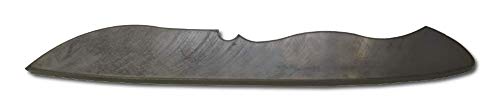
RMP Knife Making Blank - 1095 High Carbon Annealed Steel, Hu...
|
|
|
|
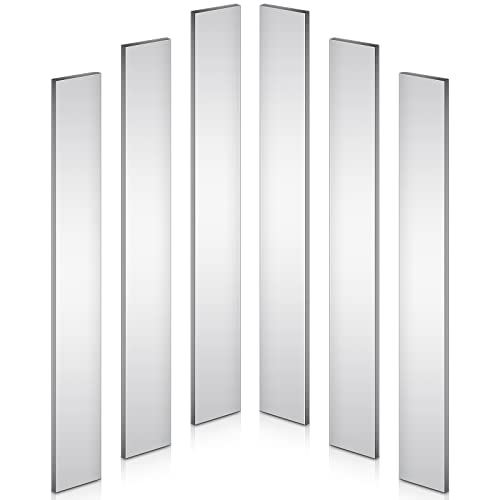
Amyhill 6 Pack 1084 Steel for Knife Making 1/8" x 1-1/2" x 1...
|
|
|
|
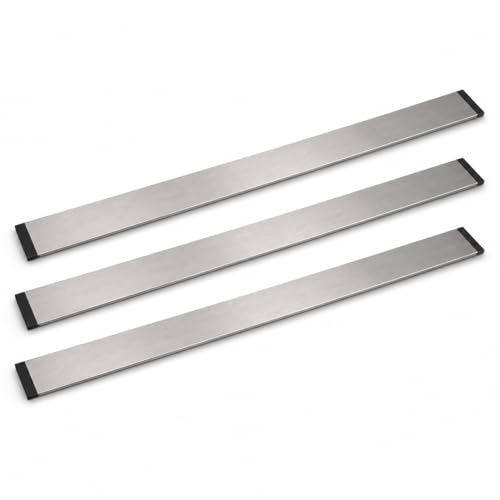
1095 High Carbon Steel - Made in USA - Annealed Forging Stee...
|
|
Selecting the Best Steel for Knife Making: High-Carbon and Damascus Options
Choosing steel that balances durability, ease of forging, and aesthetic appeal is vital for crafting quality knives. These steel types offer unique benefits for custom bladesmithing projects.
1. Patriot Steel 1095 High Carbon Knife Forging Bars – USA-Milled Flat Blanks for Bladesmiths
- USA-MILLED 1095 HIGH CARBON MATERIAL – Patriot Steel knife making steel bars are made from...
- READY-TO-FORGE ANNEALED BLANKS – Cold Rolled Annealed (CRA) 1095 high carbon steel reduces prep...
- BUILT FOR BLADESMITHING & FORGING – Ideal for crafting custom blades, power knives, or starter...
Crafting durable blades often hinges on choosing steel that combines strength and ease of handling during shaping. These flat bars are made from 1095 high carbon steel, milled domestically to maintain consistent composition across each piece. Cold Rolled Annealed processing means you spend less time prepping and more time forging, with reduced wear on sanding belts as you shape your knife.
Forgers working on custom or power-forged knives will find the reliable hardness and uniform dimensions in every batch help reduce guesswork. Patriot Steel provides stock that adapts well to various heat treating approaches, making it a solid choice whether you’re honing your craft at home or tackling professional projects.
Each blank holds up well under tempering, exhibiting both toughness and edge retention characteristics favored in high carbon steel blades. The American origin adds a level of trust in quality control that some makers prefer over imported materials.
Consistent material properties streamline workflow, and the steel’s composition supports the formation of a hard, resilient edge after heat treatment. These bars empower makers to focus more on design and less on compensating for steel irregularities.
Patriot Steel combines tradition and manufacturing precision, offering knifemakers steel that tackles the challenges of forging with greater efficiency.
Best for: Craftsmen building robust, hand-forged blades aimed at enduring use in outdoor and everyday tasks.
Pros:
- Consistent USA-milled 1095 high carbon content for predictable forging and heat treatment
- Cold Rolled Annealed state reduces prep time and tooling wear
- Uniform dimensions enhance workflow and blade quality
- Well-suited for both beginner and professional bladesmiths
- High toughness and edge retention post-tempering
Cons:
- Packaging may allow for slight surface rust without optimal moisture barriers
- Shear cut edges could require minimal finishing for some users
2. Ferraycle 15N20 Steel Flat Stock Bars for Forging High-Contrast Damascus Blades 4-Pack
- Adequate Quantity: you will receive 4 pieces of 15N20 steel bar stock, the ideal tool steel chosen...
- Suitable Size: the length of 15N20 steel flat stock is 11.5 inches/ 29.3 cm, width is 1.57 inches...
- Alloy Content: bar stock for knife making is an alloy of iron with 0.75 percent carbon, 0.3 percent...
Shaping custom blades that stand out requires steel that responds predictably during forging and etching. These flat stock bars present an alloy known for bright contrast when layered with high carbon steels, making them a go-to for makers pursuing distinctive Damascus patterns.
Measuring just over 11.5 inches in length and about 1.57 inches wide, these 0.06-inch thick bars provide manageable dimensions for hand forging and grinding. The carbon content around 0.75% supports both good toughness and grindability, helping you refine edges without sacrificing durability.
Engineered with trace additions like chromium, vanadium, and nickel, the metal shows increased wear resistance and acid resistance in etched finishes. This composition aligns with tool steel characteristics, allowing you to work confidently when combining with steels like 1095 to achieve rich pattern layering.
Ferraycle’s offering comes annealed for hobbyists, so initial shaping is straightforward. However, polishing before etching affects the final visible contrast, emphasizing the value of proper surface preparation during your workflow. Keep in mind, thinner stock may require cautious handling depending on blade size.
Bright acid resistance and consistent alloying elements make these bars a practical choice whether you’re crafting knives, tools, or decorative blades. You’ll appreciate the quantity provided here to support ongoing projects or replacement needs.
Best for: Knife makers dedicated to forging damascus-style blades with clear pattern contrasts and moderate thickness.
Pros:
- High carbon content meets tough tool steel criteria
- Pre-annealed for ease of forging and shaping
- Flat bar size fits versatile blade dimensions
- Alloyed for acid resistance and wear durability
- Pack of four offers suitable quantity for ongoing work
Cons:
- May require additional polishing to maximize etching contrast
3. RMP 1095 High Carbon Steel Knife Blank for Custom Hunter Knife Crafting
- Quantity: 1 Blank
- 3/16" 1095 Carbon Steel
- 8.0" Overall; 3.9" Blade Length
Crafting a reliable hunting knife starts with choosing steel that balances strength and workability. This knife blank from RMP uses 3/16″ thick 1095 high carbon steel, presented in a softened, annealed state, giving you the freedom to shape and hone it precisely to your preferred edge. No factory edge means the blade is a blank canvas, ready for your heat treatment and custom grinding.
Precision CNC laser cutting forms the clean hunter knife profile, saving hours on rough shaping while allowing you to control the hardening process. The 8″ overall length with 3.9″ blade provides enough metal thickness for durability after heat treating. You’ll appreciate the ambidextrous design when crafting handles suited to your grip style, thanks to the alloy steel tang included.
1095 steel’s high carbon content is renowned for excellent edge retention and toughness, although it needs proper tempering to prevent brittleness. The softened temper here makes it easier to grind and file before the final heat treatment, giving you full control over balance between hardness and flexibility.
Rose Metal Products delivers a consistent raw steel blank that supports beginners and seasoned makers alike in achieving a personalized cutting tool. Just remember hand washing and proper blade maintenance will help stave off rust since carbon steel isn’t stainless.
The blank’s solid thickness gives you room to experiment with bevels, handle shaping, and heat treatment methods — ideal for learning or refining knife making skills aimed at hunting use.
Best for: Enthusiasts seeking a customizable high carbon steel blank suited for hunting knives and dedicated craftsmanship.
Pros:
- Soft annealed state allows easy grinding and shaping
- CNC laser cut for precision and consistent profiles
- High carbon 1095 steel offers strong edge retention after heat treating
- Ambidextrous design ideal for customized handle fitting
- Thicker blade stock supports durable finished knives
Cons:
- Absence of a factory edge may require additional sharpening effort beforehand
4. Amyhill 6 Pack 1084 Steel Flat Stock for Knife Forging 1/8″ x 1-1/2″ x 12″ Ideal for Hobbyists and Pros
- Package Including: you will get 6 pieces of silver flat steel bars coated with slushing oil in a...
- Quality Material: 1084 steel bar is a kind of high carbon steel, suitable for cutting tools, and the...
- Detailed Size Information: the size of the 1084 steel flat stock is about 12" x 1.5" x...
Forging a custom blade often hinges on the choice of steel that balances workability with performance. Amyhill offers six precision-cut flat bars of 1084 steel, recognized for its high carbon content that delivers excellent edge capabilities while being relatively straightforward to shape.
Cold-rolled for a smooth, uniform surface, each flat stock piece measures 12 by 1.5 inches and has a thickness of 0.12 inches, making them highly versatile raw materials for crafting knives of varying designs. The application of slushing oil protects against rust during storage and handling, preserving the steel’s integrity for your projects.
These bars excel in heat treatment adaptability; they soften well when annealed for easier cutting and refining and respond predictably to hardening, which is essential for achieving a durable cutting edge. Although slight warping can occur during heat treatment if shapes aren’t balanced, many users find 1084 steel an accessible option for both beginners and advanced bladesmiths alike.
Amyhill’s bundle offers not only quantity but also quality consistent enough to support both DIY enthusiasts and professional craftspeople engaged in custom tool creation. Including multiple bars in one package provides room to experiment and refine forging techniques without immediate concern over materials scarcity.
Durability, ease of operation, and a smooth finish make this 1084 flat stock an inviting choice for those developing skills or looking to produce functional knives without premium steel cost.
Best for: Enthusiasts and emerging makers seeking reliable steel stock to practice forging and create custom cutting tools.
Pros:
- High-carbon content suitable for sharp, resilient blades
- Cold-rolled surface ensures precision and smoothness
- Easy to anneal and cut for shaping
- Six pieces provide ample material for multiple projects
- Protective oil coating reduces rust risks before use
Cons:
- Manual measurement may introduce slight variances, requiring attention during layout
5. Texas Knifemakers Supply 1095 High Carbon Steel Barstock for Durable Knife Blades
- MADE IN USA 1095 STEEL: High carbon 1095 steel bar stock made in the United States for knife making...
- 18" LENGTH FOR REAL KNIFE PROJECTS: Longer than common 12" knife steel bars, giving makers more room...
- USEFUL BAR SIZE: Each piece measures approximately 1/8" thick x 1-1/2" wide x 18" long, a practical...
Sharpen craftsmanship with a forging steel that stands out in workshops aiming for sharp, lasting edges. This 1095 steel barstock is tailored for knife makers who want a balance between hardness and workable toughness. It arrives annealed, ready for precise shaping and heat treatment to achieve the hardness needed for reliable cutting performance.
Containing approximately 1.0% carbon and 0.90% manganese, the alloy is favored for its ability to retain a keen edge longer than many stainless varieties, though it requires attentive maintenance to ward off rust. Layering it with complementary steels such as 15N20 allows forging intricate Damascus patterns that respond beautifully to etching with ferric chloride.
Measuring a practical 1/8″ thickness and 1-1/2″ width across an 18″ length, this sheet presents a solid foundation for custom blades; its size suits both compact and larger knife projects. Texas Knifemakers Supply ensures each lot is clearly marked in blue and orange to differentiate its 1095 from other steels they offer, helping you avoid mix-ups during fabrication.
High edge retention, excellent forgeability, and adaptability to heat treatment processes define this material’s appeal. It challenges the common notion that stainless steels dominate knife making, reminding you that superior carbon steels still reign in edge performance when properly cared for.
Best for: Builders who focus on traditional hard-use knives requiring sharp, resilient cutting edges and are prepared for routine care to prevent corrosion.
Pros:
- Strong carbon content for lasting sharpness
- Ideal for hammer-forging and stock removal
- Compatible with Damascus steel layering
- Marked for clear identification
- Dimensions suited to versatile blade designs
Cons:
- May require careful maintenance to avoid rust
6. Poshland Handmade Damascus Steel Billet for Precision Knife Crafting, 10-Inch

- Damascus Steel Billet
- Best Quality Guarnteed
- ACID ETHED stunning Pattern
Forging custom blades demands a steel blank that combines beauty with reliable performance. This billet from Poshland features high carbon damascus steel renowned for its intricate, acid-etched patterns that offer both aesthetic appeal and material complexity.
Prepared without pre-hardening, the bar allows hands-on heat treatment to tailor hardness and toughness according to specific knife needs. Its straight, 10-inch form factors ease carving and shaping while minimizing distortion under stress. The artisanal layering process creates a material that holds an edge well and offers notable strength.
Careful blacksmiths will value how this billet responds to annealing and hardening cycles without suffering cracking or warping, which many users confirm with repeated successful forge attempts. It weighs 500 grams, a manageable mass for detailed forge work and balanced blade geometry.
Poshland’s craftsmanship stands out for delivering reusable alloy steel billets that merge pattern sophistication with practical forgeability. The ambidextrous design suits various knife profiles, and hand washing preserves the etched detail post manufacture.
The combination of artistic patterning and functional alloy composition makes this billet a strong candidate for those shaping carving or display blades requiring durability and visual impact.
Best for: Enthusiasts and professional knife makers working on high-carbon, visually distinct blades with custom heat treatment preferences.
Pros:
- Distinctive, acid-etched damascus pattern enhances blade aesthetics
- High carbon content offers excellent edge retention potential
- Delivered annealed for flexible forging and heat treatment
- Straight 10-inch dimensions suited for carving blades
- Light enough at 500 grams for detailed blade shaping
Cons:
- May include minor surface irregularities from handmade process
- Some pieces could have thin or fragile sections requiring inspection before forging
7. PATIKIL High Carbon 1084 Steel Flat Bar Set for Forging Durable Blades and Knives

- Size: The knife blanks for knife making Come with 6 pcs silver flat steel bars measuring 12 x...
- Good Quality Material: The steel bar is made of high carbon 1084 steel material and has been...
- Easy to Operate: These 1084 steel plates have been annealed in advance, which are easy to grind to...
Working with steel bars crafted from 1084 high carbon steel offers a unique blend of hardness and toughness that many blade makers appreciate. These flat bars, sized at 12 x 1.5 x 0.125 inches, provide ample material for shaping custom knives, swords, or choppers. The cold rolling process used on these bars gives them a smooth surface, making precise cutting and grinding more efficient. Pre-annealed for enhanced workability, these bars reduce the time and effort needed to form specific blade profiles.
Known for moderate edge retention, 1084 steel responds well to heat treatment, allowing you to create blades that hold a sharp edge without sacrificing toughness. This balance ensures tools are suitable for a variety of tasks—from everyday carry to rugged outdoor survival knives. The material’s clean surface also provides good resistance against rust when properly maintained. High wear resistance adds to the durability, keeping blades functional through heavy use.
PATIKIL’s steel set is designed to meet the needs of both novices and experienced blacksmiths. The manageable thickness suits stock removal techniques and encourages creativity in handmade knives or tools. While the bars are robust, those who forge extensively may need to consider the thickness limitations since thinner steel may fold under heavy forging.
Each set includes six bars, offering enough quantity to experiment with different blade styles or to produce multiple knives at once. Featuring industrial-grade quality steel, these bars provide a reliable foundation for DIY projects and professional knifemaking alike.
Best for: Craftsmen and hobbyists crafting custom knives requiring a versatile steel with good hardness and ease of shaping.
Pros:
- Pre-annealed steel simplifies grinding and shaping efforts.
- Balanced hardness and toughness suitable for various knife types.
- Cold-rolled smooth surface enhances cutting precision.
- Multiple bars included, allowing bulk projects or multiple test blades.
- Industrial-grade material ready for heat treatment customization.
Cons:
- Thickness may be too thin for heavy forging techniques.
8. ZAVOOS 4 Pack Cold Rolled 1095 High Carbon Steel Bars for Custom Knife Forging
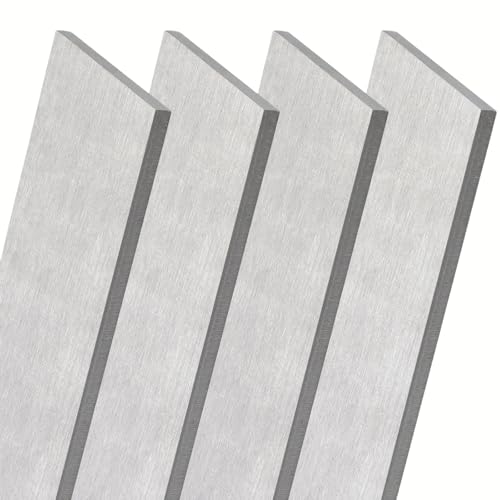
- Quality Material: Made of premium 1095 steel, known for its high hardness and wear resistance...
- Cold Rolled: Annealed the high carbon steel to improve its machinability. You can easily process...
- Versatile Usage: Super toughness and grindability, perfect for hand DIY making blades, knives, hand...

Cold rolled for easier cutting and shaping, these high carbon steel strips provide a solid foundation for custom blades. Their annealed state offers improved machinability, letting you focus less on grinding and more on precise craftsmanship. Each flat stock piece measures roughly 12″ by 1.5″ with a thickness just over 0.1″, making them manageable yet durable for hand-forging projects.
Crafted from 1095 steel known for strong wear resistance and hardness, these bars maintain toughness and elasticity throughout repeated use. This alloy balances rigidity and resilience, capable of withstanding the stresses common in cutting tasks without cracking or distortion.
The pre-oiled surfaces help provide a non-slip grip during handling while offering some protection against rust before your heat treatments and finishing. ZAVOOS includes four flat stock sheets, which are suitable for knives, blades, or detailed hand tools.
Heat treating remains necessary to achieve the desired hardness and edge retention, a typical process for this grade’s performance. Enthusiasts and pros alike appreciate 1095 steel for its straightforwardness in forging balanced with dependable cutting strength.
Best for: Knife makers seeking affordable high carbon steel flat stock ready for customization and precise heat treatment.
Pros:
- Pre-annealed for easier grinding and cutting
- High hardness paired with good toughness
- Pre-oiled to reduce surface rust
- Four uniform 12″ x 1.5″ flat bars per set
- Trusted 1095 carbon steel formula
Cons:
- May need additional refining of edges for professional finish
9. hongjin 1095 High Carbon Steel Flat Stock Pack for Forging and Bladesmithing – 8pcs

- Package Include: 1095 Steel Flat Stock Cold Rolled *8pcs
- Contains 8pcs 1095 high carbon steel, the product size is 12" x 1.5" x 0.12" / 30.48 x 3.81 x...
- Perfect Cold Rolled 1095 steel for knife making with reasonable pricing.
Striking the balance between hardness and toughness often challenges custom knife makers, especially when selecting steel that shapes easily yet carves a reliable edge. This bundle brings together eight flat bars of 1095 high carbon steel, each measuring 12″ by 1.5″ and 1/8″ thick, giving ample material for personalized blade crafting.
honing blades with this steel offers excellent edge retention due to its high carbon content. It’s particularly suited for forging and grinding, making it a go-to choice for those who want to shape their knives without overly complex heat treatments.
Protected meticulously during shipping, these flat stocks arrive coated in rust-preventative oil, wrapped in rust-proof paper and bubble wrap, minimizing oxidation even before use. Such care reflects hongjin’s understanding of both quality and practicality in raw materials for blade making.
Despite being commercial grade, this steel’s composition enables you to forge durable and sharp blades, perfect for users who value both workability and performance. Its surface and thickness facilitate precise customizing according to your blade design or smithing project.
Ideal for those willing to maintain their edges regularly, this carbon steel isn’t stainless and requires drying after exposure to moisture to avoid rust—something any serious bladesmith anticipates with this alloy.
Well-priced without sacrificing material integrity, this steel offers an approachable entry point for both novice and seasoned craftsmen aiming to master knife making.
Best for: Artisans crafting hunting knives, survival knives, or custom blades requiring tough, high-carbon materials capable of fine edge honing.
Pros:
- High carbon content providing sharp, durable edges
- Perfect thickness and dimensions for knife blanks
- Careful rust-resistant packaging
- Suitable for forging and grinding
- Reasonably priced for commercial-grade steel
Cons:
- May require more effort to sharpen due to hardness
10. JEUIHAU High Carbon 1095 Steel Flat Stock 8-Piece Set for Precision Blade Crafting

- HIGH-QUALITY MATERIAL - The 1095 steel is a spring steel. 1095 steel flat stock has good hardness...
- EASY TO PROCESS - Our knife steel bar stock is heat treated so that its processing properties are...
- PACKAGE CONTENTS - We offer 8-piece quantities of 1095 steel for knife making, they are 12 inches...
Crafting knives that balance strength and flexibility demands materials with specific characteristics. Spring steel known as 1095 offers high tensile strength while holding up well to edge work, making it a common choice among makers looking for robust blade stock.
JEUIHAU provides a package of eight flat steel bars, each sized 12 by 1.5 by 0.12 inches, ideal for those cutting precise knife blades or sharpening tools. The steel arrives heat-treated to enhance machinability, granting a surface that works well for grinding without excessive resistance.
Good toughness combined with resistance against fracture supports knives that can take a beating without cracking. The flexibility inherent in 1095 spring steel bars also supports designs requiring a bit of bend without snapping.
Some users appreciate that this steel has been prepared for immediate shaping while retaining the capacity to harden further with your own forge or quenching technique, although properties may vary and thorough testing before major projects is advised.
JEUIHAU’s offering includes customer support to address concerns, backing the practical use of this steel for a variety of blade-making endeavors. Its black finish on the rectangular rods helps minimize glare during work.
Best for: Craftsmen and hobbyists needing affordable, versatile steel bars suited for experimental blade forging and sharpening projects.
Pros:
- Pre-heat treated flat stock to ease machining.
- Strong elasticity and good fracture resistance.
- Multi-purpose for knives, springs, and cutting tools.
- Package of 8 plates supporting multiple projects.
- Customer service support available.
Cons:
- Steel condition might require testing or annealing for consistent hardening results.
Quick Guide: Best Steel For Knife Making Feature Analysis
| Product Name | Material | Dimensions (L×W×T) | State / Treatment |
|---|---|---|---|
| Patriot Steel 1095 Carbon | 1095 High Carbon Steel | 12″ × 1.5″ × 0.125″ | Cold Rolled Annealed Blanks |
| Ferraycle 15N20 Steel Bars | 15N20 Alloy Steel (0.75%C + V, Ni traces) | 11.5″ × 1.57″ × 0.06″ | Annealed Flat Stock |
| RMP 1095 Hunter Blank | 1095 Carbon Steel | 8.0″ × – × 3/16″ (~0.188″) | Annealed Softened Temper (Needs heat treat) |
| Amyhill 1084 Steel Bars | 1084 High Carbon Steel | 12″ × 1.5″ × 0.12″ | Cold Rolled, Annealed |
| Texas Knifemakers 1095 | 1095 Steel (1.0%C, Mn 0.9%) | 12″ × 1.5″ × 0.13″ | Annealed Forging Bar |
| Poshland Damascus Billet | High Carbon Damascus Steel | 10″ × – × – | Annealed or Hardened (mixed reports) |
| PATIKIL 1084 Steel Bar | 1084 Steel | 12″ × 1.5″ × 1/8″ (0.125″) | Annealed, Cold Rolled |
| ZAVOOS 1095 Steel | 1095 High Carbon Spring Steel | 12″ × 1.5″ × 0.12″ | Annealed Cold Rolled Flat Stock |
What Makes Steel Ideal for Knife Making?

Choosing steel for knife making means balancing hardness, toughness, corrosion resistance, and workability. Each factor affects how well your blade performs under different conditions.
Carbon Content
Carbon content determines a steel’s hardness and edge retention. Higher carbon steels (around 0.9% to 1.1%) enable blades to reach superior hardness after heat treatment, allowing them to hold a sharp edge longer. However, too much carbon can reduce toughness, making the blade prone to chipping under stress.
For instance, 1095 steel contains approximately 0.95% carbon, which provides a good balance between hardness and flexibility. Meanwhile, lower carbon steels like 1084 (~0.84% carbon) are easier to forge but sacrifice some edge retention.
Ignoring carbon percentage leads to blades that either dull quickly or break prematurely. A knife with too low carbon will fail to hold a keen edge, while too high may snap when used roughly.
Heat Treatment Capability
The ability of steel to undergo heat treatment shapes its final hardness and toughness. Annealing softens the metal, making it easier to work with, while quenching and tempering adjust the blade’s microstructure and strength.
For instance, steels like Patriot Steel 1095 and Amyhill 1084 come annealed, ready for custom heat treatment. This process requires careful control of cooling rates, heating temperatures, and temper times to avoid problems such as warping or brittleness.
Proper heat treatment leads to blades with consistent hardness and toughness, reducing the risk of edge failure and improving overall performance. Mastering these steps is essential for producing reliable knives.
Toughness vs. Hardness Trade-Off
Toughness measures a blade’s ability to resist chipping and impact, while hardness influences how long the edge stays sharp. Steel with very high hardness (HRC 60+) can hold an edge well but often becomes brittle and prone to cracking.
On the other hand, tougher steels absorb shocks better but tend to dull more quickly. For instance, 1095 steel usually tempers around HRC 56–58, offering a good balance between edge retention and toughness. Damascus steels like Ferraycle 15N20 combine layers of different alloys to enhance toughness without sacrificing hardness.
Choosing steel without considering this trade-off can lead to blades that either chip easily or lose their edge fast, disappointing anyone who needs dependable performance in demanding situations.
Corrosion Resistance
Corrosion resistance in knife steel depends largely on its chromium content. Steels with chromium above 12% are generally stainless, offering better rust protection. Carbon steels like 1095 and 1084 have very low chromium, often under 0.3%, making them vulnerable to rust without proper care.
Knifemakers using high carbon steels rely on regular maintenance such as oiling, drying, and avoiding moisture exposure to keep corrosion at bay. Damascus steels need extra attention because their layered structure can react differently to rust.
Choosing steel with the right corrosion resistance affects blade durability and appearance. Neglecting it can cause pitting and weakening, shortening the knife’s useful life and requiring more frequent restoration.
Workability and Forging Ease
Choosing steel that shapes easily can save both time and effort during knife making. Steels like Amyhill 1084 and Zavoos 1095 come annealed and cold rolled, which means they have softer grain structures and smooth surfaces. This makes grinding and shaping more straightforward.
Thicker bars, typically between 0.125″ and 0.188″, require more force to forge but offer the mass needed for larger blades. On the other hand, thin bars such as Ferraycle 15N20 at 0.06″ are ideal for detailed layering in Damascus steel. They demand careful work to prevent warping.
Steels that are too hard can wear down tools quickly and slow progress, while steels that are too soft risk deforming during heat treatment and failing durability tests. Balancing workability with final performance is key.
Dimensional Consistency
Consistent dimensions in length, width, and thickness play a key role in forging and grinding blades predictably. Brands like Patriot Steel and Amyhill offer flat blanks with uniform 12″×1.5″ dimensions and thicknesses near 0.12″. This uniformity lets makers plan blade shapes precisely.
When steel dimensions vary, heat treatment becomes tricky. Uneven thickness affects heating times and cooling rates, causing inconsistent hardness or weak spots along the blade edge.
Choosing steel with stable dimensions avoids surprises, reduces wasted material, and supports better craftsmanship for dependable knife performance.
Cost and Availability
Steel cost depends on alloy composition, processing methods, and purchase volume. Common high carbon steels such as 1095 and 1084 are budget-friendly and easy to find. More elaborate options like Damascus or custom alloys usually carry a higher price tag due to their complex production.
Selecting steel that matches your project requirements helps keep expenses reasonable. Some suppliers, like Texas Knifemakers, offer bulk pricing on bars, ideal for makers who forge regularly and want to save.
Failing to plan your budget properly can lead to choosing inferior steel or wasting materials through trial forging. Balancing cost with quality ensures you get the best results without overspending.
Frequently Asked Questions
What is the best carbon content for knife steel?
The ideal carbon content ranges between 0.8% and 1.1% for knife blades, balancing hardness and toughness. Carbon is crucial because it forms carbides that improve edge retention. Steels like 1095 with approximately 0.95% carbon offer a strong balance.
Going above 1.1% carbon typically increases hardness but risks brittleness. Lower carbon steels below 0.7% may be easier to work but dull faster. The choice depends on whether edge sharpness or durability takes priority.
For makers, a pro tip is to factor in heat treatment control as carbon alone doesn’t define performance. Precise tempering can tune the balance further.
How does heat treatment affect knife steel?
Heat treatment changes steel microstructure, affecting hardness, toughness, and flexibility. Annealing softens the steel for shaping. Quenching locks in hardness. Tempering reduces brittleness to acceptable levels.
For instance, annealed 1095 bars allow easy grinding before bringing hardness up to HRC 56–58 after quench and temper. Improper heat treatment can cause warping or cracking.
Blade makers should document and replicate precise heat treatment parameters, including soak times and cooling rates, to achieve consistent results.
Why choose Damascus steel for knife making?
Damascus steel is prized for its layered patterns that combine different alloys, resulting in a visually striking blade. It also balances hardness and toughness due to its composite structure.
For example, layering 15N20 with high carbon steel produces bright contrast and nuanced performance. The layers can arrest crack propagation, increasing blade durability.
However, Damascus steels require careful maintenance to avoid corrosion and preserve patterns. Makers should expect more grinding effort and heat treatment complexity.
Can high carbon steel rust easily?
High carbon steels like 1095 and 1084 contain minimal chromium and thus rust more readily without protection. Exposure to moisture, sweat, or acidic substances accelerates corrosion.
This is why many high carbon blades require thorough drying, oiling, or protective coatings after use. Stainless steels resist rust better but often lack the edge retention of high carbon variants.
A practical suggestion is to keep your blade clean and dry. Regular application of mineral oil or wax helps seal the surface to prevent rust.
Is 1084 steel good for beginner knife makers?
1084 steel is often recommended for beginners because its lower carbon content (around 0.84%) makes it easier to forge and shape. It softens well during annealing and responds predictably to heat treatment.
Its balance of toughness and hardness supports good edge retention for many knife types while forgiving minor forging mistakes. Cold rolled annealed bars like the Amyhill or PATIKIL sets are convenient for hobbyists.
Beginners should still pay attention to heat treatment details and sharpen regularly to maintain edge performance.
Choosing Steel That Fits Your Blade Crafting Goals
The frustration of dull, brittle, or rusting blades eases when the right steel matches your forging style and knife purpose. Selecting steel bars with predictable hardness, workability, and corrosion traits changes the quality and durability of your knives. High carbon steels like 1095 and 1084 provide excellent edge retention and toughness for most making styles.
Those crafting decorative or high-contrast blades benefit from Damascus steel billets that combine beauty with layered toughness. Beginners lean toward steels with easier shaping, like annealed 1084 bars. Professionals demanding edge longevity prefer 1095 steel cold rolled blanks.
Start by choosing steel dimensions and thickness compatible with your design. Preheating steel evenly, controlling heat treatment timing, and maintaining blade surfaces are practical steps to avoid warping and corrosion. Treat your forge steels with respect, and your blades will reward you with performance and durability.
Last update on 2026-10-19 / Affiliate links / Images from Amazon Product Advertising API