Best Healthy Chocolate Chip Cookie Recipe: Simple & Healthy
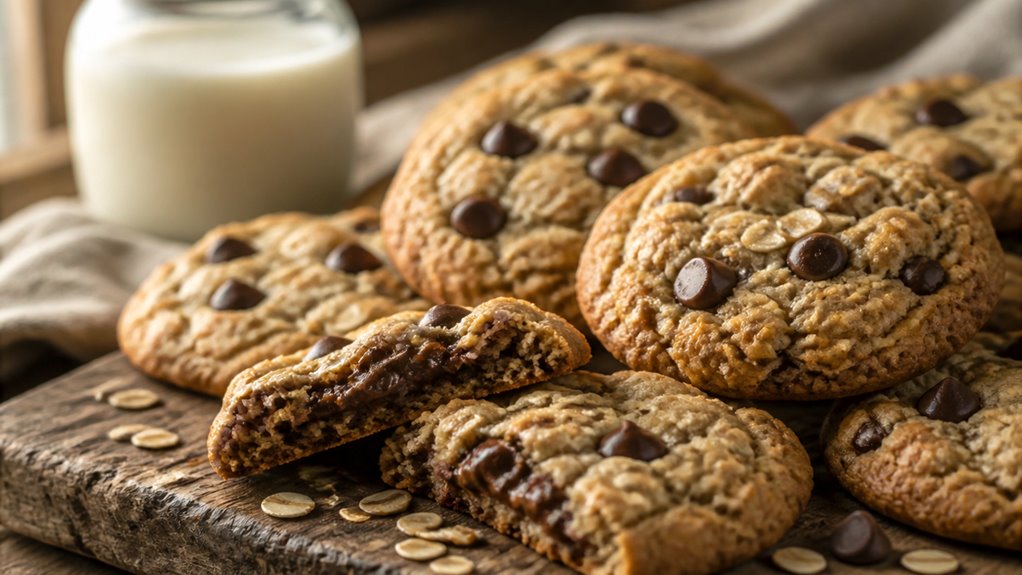
You can make the best healthy chocolate chip cookies by using whole wheat or oat flour for added fiber and a tender crumb, paired with natural sweeteners like maple syrup or coconut sugar to enhance moisture and flavor.
Choose heart-healthy fats such as avocado oil or nut butter to keep cookies moist without excess saturated fat.
Add dark chocolate chips and nuts for rich taste and texture.
Controlling dough chill time helps manage spread and chewiness.
Explore how these choices create balanced, nutritious treats.
Key Takeaways
- Use whole wheat or oat flour for added fiber and nutrients, adjusting moisture and chilling time to control cookie density and spread.
- Blend natural sweeteners like maple syrup and coconut sugar for balanced chewiness, flavor, and reduced refined sugar impact.
- Incorporate healthy fats such as avocado oil or nut butters to enhance moisture and tenderness without excess saturated fat.
- Add dark chocolate chips and nuts late in mixing to preserve cookie texture and provide rich, crunchy contrast.
- Chill dough 30–60 minutes before baking at 350°F–375°F for 8–12 minutes to ensure controlled spread and optimal softness.
Best Healthy Cookies: Ingredients, Chilling & Storage Table
| Recipe Detail | Information |
|---|---|
| Main Term | Best Healthy Chocolate Chip Cookie Recipe |
| Recipe Type | Healthy Cookie / Dessert |
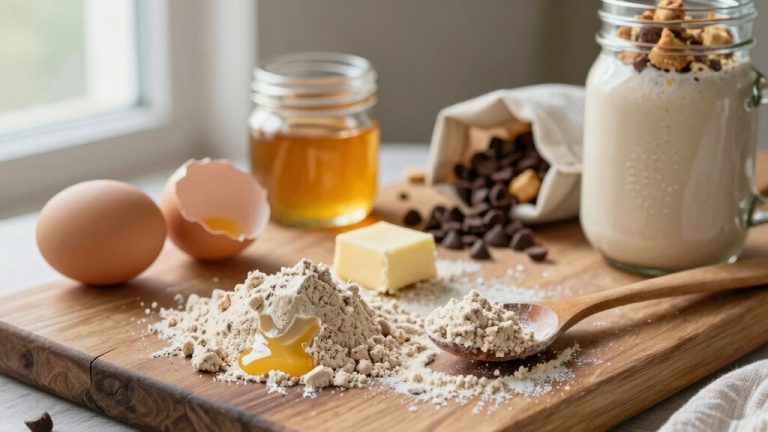
| Flour Options | Whole wheat flour, oat flour, spelt flour, whole-wheat pastry flour, almond flour |
| Natural Sweeteners | Maple syrup, coconut sugar, dates/date paste |
| Healthy Fat Options | Avocado oil, coconut oil, nut butter; butter for classic flavor |
| Moisture Ingredients | Eggs, milk, plant-based milk, or water |
| Chocolate | Dark or semi-sweet chocolate chips; about ⅓ cup suggested |
| Optional Mix-Ins | Walnuts, almonds, cranberries, cherries, chia seeds, flax seeds |
| Texture Goal | Soft, tender, chewy with controlled spread |
| Dough Chilling Time | 30–60 minutes |
| Baking Temperature | 350°F–375°F |
| Baking Time | 8–12 minutes |
| Shaping Method | Scoop dough into uniform balls for even baking |
| Baking Tip | Slightly underbake for softer cookies |
| Storage | Airtight container at room temperature |
| Room-Temperature Shelf Life | Up to 1 week |
| Freezer Storage | Baked cookies can last several months; cookie dough can also be frozen |
| Reheating | Microwave 10–15 seconds or oven at about 300°F for 5–7 minutes |
| Key Health Features | More fiber, less refined sugar, whole grains, natural sweeteners, and heart-healthy fats |
Choosing the Best Flours for Healthy Chocolate Chip Cookies

When you choose flour for healthy chocolate chip cookies, consider how it affects both nutrition and texture. Whole wheat or spelt flour adds fiber and nutrients, giving your cookies a denser chew and nuttier flavor.
If you want a softer, gluten-free option, oat flour works well, offering a tender crumb without compromising structure. Almond flour combined with arrowroot starch creates grain-free cookies that remain moist and delicate.
Whole-wheat pastry flour provides a lighter alternative to standard whole wheat, balancing health benefits with a less dense bite. Keep in mind flour choice influences spread and chew, so you might need chilling or binding agents to get the texture just right. For a nuttier, more complex flavor and extra nutrients, consider blending in whole grain flours like organic whole wheat or einkorn for partial substitution.
Selecting Natural Sweeteners for Flavor and Texture
When you’re picking out natural sweeteners like maple syrup or coconut sugar, it’s pretty interesting to see how they not only bring flavor to your cookies but also change their texture. You might find that these alternatives make your cookies softer and chewier, which is a nice change from what you get with refined sugars.
Plus, this can really influence how your cookies spread and brown in the oven. So, it’s all about finding that balance with your sweeteners. Mixing different types can help you nail the right taste and consistency without having to rely on processed sugars. It’s a fun way to experiment and find what works best for you! Many people also choose sweeteners based on dietary goals, such as reducing sugar intake with zero sugar products to support weight management.
Refined Sugar Alternatives
Many healthier chocolate chip cookie recipes replace refined sugar with natural sweeteners like maple syrup, coconut sugar, or dates to achieve a balanced flavor and desirable texture.
You’ll find maple syrup adds a subtle caramel note and moisture, while coconut sugar offers a mild, caramel-like taste with a lower glycemic index.
Dates, used whole or as paste, provide fiber and antioxidants alongside sweetness. These alternatives can reduce the impact of blood sugar spikes compared to white sugar, making your cookies a better choice for sustained energy.
However, each sweetener behaves differently during baking, influencing browning and moisture retention. You’ll want to measure carefully and possibly adjust liquid ingredients.
Blending sweeteners sometimes helps balance flavor depth and sweetness intensity, giving you more control without sacrificing the cookie’s overall appeal.
Hydrocolloids like pectin or gelatin can also be used to help mimic sugar’s structural role and improve cookie texture when using liquid sweeteners.
Sweetener Impact On Texture
Choosing natural sweeteners not only affects the flavor of your chocolate chip cookies but also plays a significant role in their texture. For example, coconut sugar and brown sugar retain moisture better than refined white sugar, resulting in chewier cookies.
Liquid sweeteners like maple syrup or date paste add moisture, often yielding softer, denser cookies but may increase spread during baking. Combining granular and liquid natural sweeteners can balance chewiness and spread, helping you achieve the desired texture.
Remember, sugar type influences browning too; cane sugar promotes more caramelization, enhancing crisp edges. When reducing sugar, consider increasing fiber-rich flours or dark chocolate chips to maintain texture without sacrificing sweetness.
Choosing Fats and Moisture for Healthy Chocolate Chip Cookies
When it comes to making healthy chocolate chip cookies, picking the right fats is super important. You can opt for butter, coconut oil, or even heart-healthy avocado oil.
Each of these adds its own unique flavor and helps with the cookie’s structure, so you can’t go wrong!
Now, let’s talk moisture. Adding in milk, plant-based milk, or eggs can really help you get that perfect dough consistency and tenderness.
It’s all about finding that sweet spot between fat and moisture. Once you nail that combo, you’ll have a healthier cookie that still bakes up soft and delicious! Enjoy baking!
You can also consider baking on non-toxic pans for healthier results and more even heat distribution.
Fat Options Explained
Although fats and moisture might seem like minor ingredients, they play a pivotal role in shaping the texture, flavor, and nutritional profile of your healthy chocolate chip cookies.
Choosing the right fat can enhance taste while supporting your health goals. Butter offers rich flavor and structure but adds saturated fat.
Plant-based fats like coconut or avocado oil provide heart-healthy unsaturated fats and a tender crumb. Nut butters contribute protein, healthy fats, and a unique taste, often replacing traditional fats in vegan recipes.
Moisture from milk or plant milk helps bind ingredients and influences chewiness without extra fat.
- Butter for classic flavor and firm texture
- Coconut or avocado oil for dairy-free, healthful fats
- Nut butters adding protein and richness
- Milk or plant milk to adjust moisture and binding
Balance is key for delicious, nutritious cookies. Consider using refined plant-based oils like high smoke point options when baking at higher temperatures to preserve flavor and prevent rancidity.
Moisture Balance Tips
When aiming for the perfect texture in healthy chocolate chip cookies, balancing fats and moisture is essential.
You’ll want to choose fats like butter for structure and flavor or plant-based oils such as avocado or coconut oil for healthier, dairy-free options.
Nut butters add richness and moisture without excess oil. Alongside fats, adjusting moisture with ingredients like eggs, plant milk, or water helps bind the dough and influence softness.
Too much liquid can cause spreading, while too little makes cookies dry and crumbly. Experiment with these elements carefully; for example, using whole wheat or oat flours increases absorption, so you might need slightly more moisture.
Chilling the dough also controls spread by firming fats, preserving a tender, chewy bite in your healthier cookies.
Use protein-rich nut butters and aim for an appropriate protein powder amount to help bind and add nutrition to cookie dough.
Adding Chocolate Chips and Mix-Ins to Healthy Cookies
Mixing in chocolate chips and other add-ins can really boost the flavor and texture of your healthy cookies without compromising their nutritional benefits.
Using dark or semi-sweet chocolate chips lets you enjoy rich taste while keeping added sugar lower. You can also elevate your cookies with nutrient-dense mix-ins that add crunch and chew.
Consider these options to enhance your recipe:
A modest amount of dark chocolate chips (about 1/3 cup) for balanced sweetness.
Chopped nuts like walnuts or almonds for healthy fats and texture.
Dried fruits such as cranberries or cherries to introduce natural sweetness and chew.
Seeds like chia or flax for extra fiber and omega-3s.
Stir these in near the end of mixing to maintain tender, well-structured cookies.
For an extra touch of flavor and texture, consider pairing dark chocolate chips with roasted hazelnuts to create a rich, crunchy contrast.
Shaping, Chilling, and Baking Tips for Healthy Cookies
Adding your chosen chocolate chips and mix-ins is just one part of creating healthy cookies that taste great and hold together well.
How you shape, chill, and bake the dough affects texture and spread. Scooping dough into uniform balls helps even baking. Chilling firms fat, reducing excess spread while enhancing flavor development.
Bake at 350°F–375°F for 8–12 minutes, adjusting time based on dough moisture and flour type.
| Step | Purpose | Tip |
|---|---|---|
| Shaping | Guarantees uniform cookies | Use a cookie scoop |
| Chilling | Controls spread and texture | Chill dough 30-60 mins |
| Baking | Sets structure and browning | Slightly underbake for softness |
For longer-lasting results and protection against moisture-related issues in kitchen surfaces, consider using a penetrating sealer to help maintain countertop integrity.
Troubleshooting Texture and Health Tradeoffs in Healthy Cookies
Maneuvering the texture and health tradeoffs in healthy chocolate chip cookies requires understanding how ingredient substitutions impact the final product.
When you swap traditional ingredients for healthier alternatives, you might notice changes in chewiness, spread, or density. For example, whole wheat flour boosts fiber but can make cookies denser.
Using oat or almond flour softens texture but may affect structure. To troubleshoot, consider these adjustments:
Chill dough longer to control spreading with whole grain flours.
Balance sugar types to maintain browning and chewiness.
Adjust fat sources like avocado oil or nut butter to enhance moisture without excess calories.
Add mix-ins late to prevent overworking dough, preserving tenderness.
Stand mixers provide consistent mixing for batters and kneading dough, ensuring even mixing and aeration for superior results with mixing consistency.
Frequently Asked Questions
Can I Store Healthy Chocolate Chip Cookies for a Week or Longer?
Yes, you can store healthy chocolate chip cookies for a week or longer.
Keep them in an airtight container at room temperature for up to a week to maintain freshness.
For longer storage, freeze the cookies in a sealed bag or container; they’ll last for several months that way.
When ready to eat, just thaw at room temperature.
This helps preserve texture and flavor, especially with recipes using whole grains or natural sweeteners.
What Is the Best Way to Reheat Healthy Chocolate Chip Cookies?
Warm with watchful care! To reheat healthy chocolate chip cookies, you can quickly microwave them for 10-15 seconds to revive softness without drying out.
Alternatively, use a low oven temperature around 300°F for 5-7 minutes to restore warmth and texture gently. Avoid overheating, which toughens cookies.
Wrapping cookies in foil preserves moisture during reheating. Both methods balance convenience and cookie consistency, ensuring your treats stay tasty and tender.
Are These Healthy Cookies Suitable for Children With Food Allergies?
You need to check the ingredients carefully before giving these cookies to children with food allergies.
Many healthy recipes use nuts, dairy, eggs, or gluten-containing flours, which can trigger allergies.
You can modify recipes by substituting allergen-free flours like oat or almond flour and using dairy-free fats and egg replacers.
Always make certain there’s no cross-contamination and consult with a healthcare provider to ensure the cookies are safe for your child’s specific allergies.
How Do Healthy Cookies Compare Nutritionally to Classic Chocolate Chip Cookies?
You’ll find healthy cookies often contain more fiber, less refined sugar, and higher nutrient density compared to classic cookies.
They use whole grains, natural sweeteners, and heart-healthy fats, boosting vitamins and minerals.
However, they may have slightly more calories or a denser texture.
While classic cookies offer indulgence with higher sugar and fat, healthy versions provide balanced nutrition.
This makes them a smarter choice without sacrificing flavor or enjoyment.
Can I Freeze the Cookie Dough for Future Baking?
Yes, you can freeze cookie dough for future baking.
Freezing helps preserve freshness and lets you bake fresh cookies anytime.
Portion the dough into balls, wrap them tightly, and store in an airtight container or freezer bag.
When ready, thaw in the fridge overnight or bake directly from frozen, adding a couple of extra minutes to baking time.
This method works well for healthy doughs, maintaining texture and flavor without compromising quality.
Healthy Chocolate Chip Cookies: A Delicious Guide
By choosing whole grain flours, natural sweeteners like maple syrup, and healthy fats such as avocado oil, you can bake chocolate chip cookies that satisfy cravings without guilt.
For example, Sarah swapped all-purpose flour for almond flour and used dark chocolate chips. This resulted in cookies her family loved that boosted their nutrient intake.
Remember, balancing taste and nutrition takes practice. With these tips, you’re well on your way to healthier, delicious cookies everyone will enjoy.