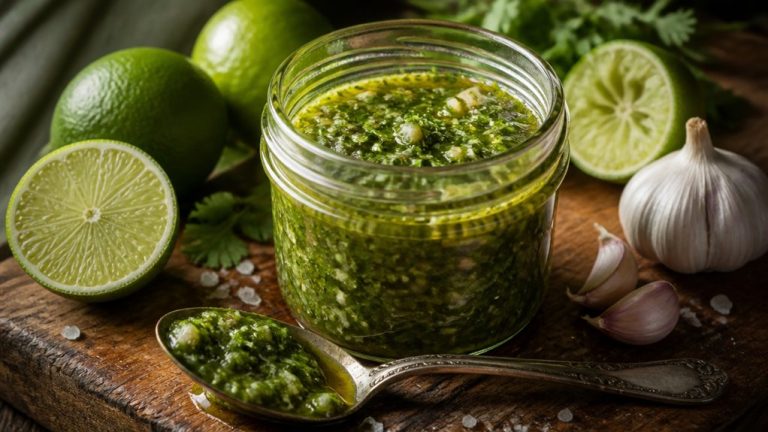

Best Garlic Pickle Recipe: A Step-by-Step Guide
For the best garlic pickle, start with fresh, firm peeled cloves and avoid any soft spots to keep crunch. Toast mustard and fenugreek seeds gently to bring out their warmth.
Then cook garlic in pungent mustard oil with tangy vinegar or lemon juice for that perfect zing. Season with chili powder and a pinch of asafoetida for bold flavor.
Store the pickle fully submerged in brine in sterilized jars for lasting freshness. Stick around to discover regional twists and expert tips.
Key Takeaways
- Use fresh, dry, firm garlic cloves and discard any soft or spotted ones for crisp texture and longer shelf life.
- Toast mustard seeds and fenugreek lightly to release aroma before adding to oil and garlic for deep, warm flavors.
- Cook garlic gently in hot oil with roasted spices, then add vinegar or lemon juice, salt, and chili powder for balanced tang and heat.
- Sterilize jars thoroughly and keep garlic cloves fully submerged in brine or oil to prevent spoilage and mold growth.
- Store the pickle in airtight jars in the refrigerator, allowing at least 24 hours for flavors to meld before serving.
Quick Recipe Table for Spicy and Tangy Pickle
| Recipe Detail | Information |
|---|---|
| Main Term | Best Garlic Pickle Recipe |
| Recipe Type | Homemade garlic pickle, spicy, tangy, and savory condiment |
| Main Ingredients | Fresh peeled garlic cloves, mustard oil, vinegar or lemon juice, mustard seeds, fenugreek seeds, cumin, coriander, chili powder, salt, asafoetida |
| Optional Ingredients | Nigella seeds, jaggery, or sugar |
| Garlic Preparation | Peel fresh, firm garlic cloves. Avoid washing peeled cloves; pat dry with a clean cloth or air-dry. Discard soft or spotted cloves. |
| Spice Preparation | Lightly toast mustard and fenugreek seeds in a dry pan over low heat until fragrant. Stir constantly to prevent burning. |
| Oil and Acid | Mustard oil provides a pungent flavor. Vinegar adds consistent tang, while lemon juice provides fresh citrus notes. Vegetable or sesame oil can also be used. |
| Cooking Method | Heat mustard oil until shimmering. Add roasted spices and peeled garlic cloves. Cook gently until the garlic turns light golden. Add vinegar or lemon juice, salt, and chili powder. Stir well, cool completely, and transfer to a sterilized jar. |
| Refrigerator Pickle Method | Mix vinegar, salt, chili powder, and mustard seeds. Coat dried garlic cloves with the mixture, transfer to an airtight jar, and refrigerate for at least 24 hours. |
| Cooking Temperature | Not specified. Heat oil until shimmering and cook garlic gently. |
| Cooking Time | Not specified. Cook until garlic turns light golden. |
| Doneness | Garlic cloves should be lightly golden and coated with the seasoned oil or brine. |
| Equipment | Cooking pan, dry roasting pan, clean utensils, sterilized glass jars, airtight lids, clean cloth, food-safe weight or small glass |
| Jar Sterilization | Wash jars with hot, soapy water and boil for 10 minutes. Alternatively, dry jars can be sterilized in an oven at 180°C (350°F) for 10–15 minutes. |
| Resting Time | At least 24 hours for refrigerator garlic pickle to allow flavors to develop. |
| Storage | Store in airtight, sterilized jars in the refrigerator. Keep garlic cloves fully submerged in brine or oil. |
| Unopened Shelf Life | Approximately 3 to 6 months when stored properly in a cool, dark place. |
| After Opening | Refrigerate and consume within one month. |
| Important Tips | Use fresh, dry garlic cloves. Toast spices gently to avoid bitterness. Avoid introducing moisture. Cool cooked pickle completely before sealing. Keep cloves submerged to prevent mold and spoilage. Use clean utensils when serving. |
| Serving Suggestions | Serve with parathas, chapatis, curd rice, steamed rice and dal, grilled meats, kebabs, sandwiches, or wraps. |
| Regional Variations | South Indian versions use red chili, mustard oil, lemon juice, and curry leaves. Andhra versions feature extra chili and asafoetida. North Indian versions use mustard seeds, fenugreek, and sometimes jaggery. |
Essential Ingredients for Authentic Garlic Pickle

When you set out to make authentic garlic pickle, choosing the right ingredients is key to capturing its bold, tangy, and spicy character.
Start with fresh, peeled garlic cloves, dry and firm, to guarantee crisp texture and longer shelf life.
Vinegar or lemon juice adds the indispensable acidic tang that both flavors and preserves.
Mustard oil is your go-to for that pungent, robust base flavor.
Don’t forget the spices: mustard seeds, fenugreek (roasted lightly to avoid bitterness), cumin, and coriander bring depth and warmth.
Chili powder injects the signature heat, while a pinch of asafoetida or nigella seeds can elevate aroma.
For sweet-tangy twists, jaggery or sugar balances the acidity and spice perfectly.
These essentials set the stage for a truly memorable garlic pickle.
Unopened ricotta cheese can be frozen directly in its original packaging for up to two months, which is helpful to know when planning meals and preserving dairy ingredients freezing ricotta.
Preparing Garlic Cloves for Garlic Pickle
Selecting the right garlic is only the beginning; how you prepare those cloves can make or break your pickle’s texture and shelf life.
First, peel each clove carefully. Removing all skin guarantees your pickle stays crisp and spoilage-free.
Avoid washing peeled cloves; moisture invites mold. Instead, pat them dry with a clean cloth or air-dry for a bit before pickling.
If you prefer milder garlic, you can lightly crush the cloves to release aroma without breaking them apart completely.
Be sure to discard any cloves that show spots or softness. Freshness is key.
Handling garlic with dry hands and clean utensils helps maintain hygiene.
Taking these steps will give your garlic pickle that perfect crunch and lasting flavor you’ll love. For best results, also ensure you store jars away from direct sunlight to prevent quality loss and preserve freshness.
Choosing the Best Oil and Acid for Garlic Pickle
Although the choice of oil and acid might seem straightforward, these two ingredients play a pivotal role in defining your garlic pickle’s flavor and shelf life.
Mustard oil often stands out; it’s bold, pungent, and perfectly complements garlic’s sharpness while acting as a natural preservative.
If you’re after a milder taste, you can opt for vegetable or sesame oil, but mustard oil remains a favorite for authenticity.
For acidity, vinegar and lemon juice are your go-tos.
Vinegar offers a consistent tang and longer preservation, while lemon juice adds fresh citrus notes and brightness.
Whichever you pick, make sure the acid is fresh to keep your pickle vibrant and safe.
Balancing these two sets the foundation, so choose wisely to enhance every bite.
Proper storage—such as keeping jars in a cool, dry place and ensuring lids are rust-free—will help preserve quality and safety, so inspect and dry lids regularly to avoid rust formation.
Which Spices Add the Best Flavor to Garlic Pickle?
Now that you’ve chosen the perfect oil and acid to build your garlic pickle’s base, it’s time to bring in the spices that really make it sing. You’ll want a balance of warmth, earthiness, and a hint of bitterness to complement the sharp garlic.
Mustard seeds and fenugreek add depth, while cumin and coriander bring subtle nutty notes. Don’t forget a pinch of asafoetida for that unique aroma. Here’s a quick look at some essential spices:
| Spice | Flavor Impact |
|---|---|
| Mustard Seeds | Pungent, sharp, adds texture |
| Fenugreek | Bitter undertone, earthy warmth |
| Cumin | Nutty, slightly sweet |
Blending these spices carefully guarantees your garlic pickle bursts with vibrant, layered flavors. A touch of a pinch of salt can help sharpen and balance the overall taste.
Roasting Fenugreek and Mustard Seeds
Toast fenugreek and mustard seeds gently in a dry pan to release their full flavor potential.
You’ll notice mustard seeds start to pop, releasing a sharp, nutty aroma. Fenugreek seeds turn a warm golden-brown, adding a subtle bitterness that balances the garlic’s pungency.
Keep the heat low and stir constantly. Fenugreek can burn quickly, turning bitter and ruining your pickle’s taste.
Once they’re fragrant and toasted, remove the seeds from heat immediately to stop cooking.
This step brings out a deeper, richer dimension in your garlic pickle, transforming simple spices into vibrant, complex notes.
Trust me, this careful roasting makes a noticeable difference, giving your pickle that authentic, irresistible flavor you’ll want to recreate every time.
How to Make Instant Cooked Garlic Pickle?
Start by heating oil in a pan until it’s shimmering. Then add your carefully roasted spices and peeled garlic cloves.
Begin by warming oil until it shimmers, then introduce roasted spices and peeled garlic cloves.
Let the garlic cook gently, stirring frequently, until it turns a light golden hue. This brings out its mellow sweetness without bitterness.
Next, pour in lemon juice or vinegar for that essential tang. Sprinkle salt and chili powder to taste.
Stir everything well, ensuring the garlic is fully coated and the spices release their aroma. Turn off the heat and let the mixture cool completely before transferring it to a sterilized jar.
This method locks in fresh, vibrant flavors while softening the garlic’s bite. Store it in a cool place or refrigerator, and enjoy this instant cooked garlic pickle as a zesty accompaniment to your meals. Rapid cooling and airtight storage also help preserve flavor and reduce oil oxidation, especially when using fresh oils.
How to Make Quick Refrigerator Garlic Pickle?
For a quick refrigerator garlic pickle, you’ll begin by peeling and drying fresh garlic cloves thoroughly to prevent any unwanted moisture that could spoil the batch.
Next, mix vinegar with salt, chili powder, and a pinch of mustard seeds to create a tangy, spicy brine. Toss the garlic cloves into this vibrant mix, ensuring each piece is well coated.
You don’t need to cook anything here; just stir and transfer the garlic and brine to a clean, airtight jar. Let it rest in the refrigerator for at least 24 hours; this quick marination softens the garlic’s sharpness and infuses those bold flavors.
The result? A fresh, zesty pickle you can enjoy alongside your meals without the wait of traditional fermentation. For added assurance of quality and cleanliness, consider using ingredients that are triple-cleaned.
Storing Garlic Pickle Safely for Longer Freshness
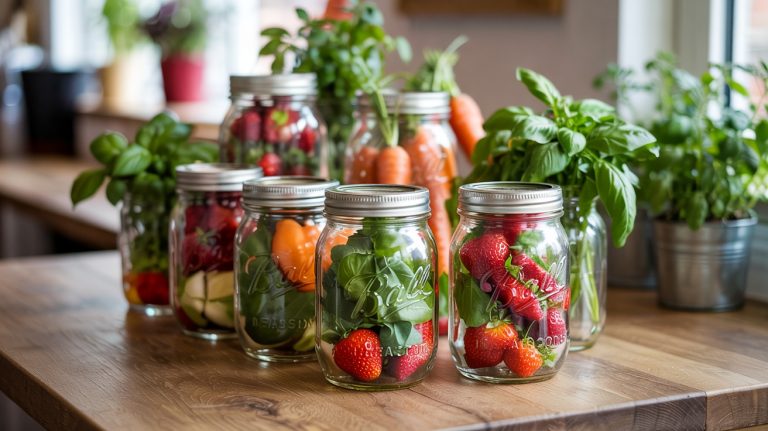
To keep your garlic pickle fresh and flavorful, the first step is to sterilize your jars thoroughly. This helps prevent any unwanted bacteria from spoiling your delicious creation.
Now, when you’re packing your jars, make sure those garlic cloves are completely submerged in the brine or oil. If they’re exposed to air, it can spoil the whole batch pretty quickly—definitely something you want to avoid!
Finally, don’t forget to store your pickle in the refrigerator. Keeping it at the right temperature will slow down fermentation and help maintain that perfect tang you love. Enjoy your homemade garlic pickle!
For best results, consider using boiling water to sterilize jars and lids, especially if the jars are not borosilicate glass.
Proper Jar Sterilization
While it’s tempting to dive straight into mixing your garlic pickle ingredients, ensuring your jars are properly sterilized is essential for keeping your pickle fresh and safe for longer.
Start by thoroughly washing your jars and lids with hot, soapy water, then rinse well. Next, boil them in water for 10 minutes to kill any lingering bacteria or molds.
You can also sterilize jars in a preheated oven at 180°C (350°F) for 10–15 minutes once they’re dry. Make sure your jars cool down but stay dry before filling, as moisture can invite spoilage.
Always inspect jars for cracks or chips before use and discard any damaged ones to ensure a proper seal and safety inspection.
Maintaining Brine Coverage
Keeping your garlic cloves fully submerged in the brine is key to preserving both flavor and freshness. When the cloves peek above the liquid, they risk drying out or developing mold, which quickly ruins your pickle.
Use a clean, food-safe weight or a small glass to gently press the garlic down beneath the brine. Check your jar daily, especially in the first few days, to make sure the brine hasn’t evaporated or shifted.
If you notice the liquid level dropping, top it off with a little more prepared brine or mustard oil, depending on your recipe. This simple step keeps the garlic moist and allows the flavors to meld beautifully.
Extending the shelf life of your pickle without compromising taste or safety is essential. Using oxygen absorbers in long-term sealed storage can further reduce oxygen exposure and help preserve quality.
Optimal Refrigeration Practices
Frequently, the key to preserving your garlic pickle’s vibrant flavors and crisp texture lies in how you store it in the fridge.
First, always use a clean, sterilized glass jar with an airtight lid to keep out moisture and air that can spoil your pickle.
Make sure the garlic cloves stay fully submerged in the brine or oil.
This prevents mold and keeps the flavors balanced.
After preparing your pickle, let it cool completely before sealing and refrigerating.
Keep it at a consistent, cold temperature to slow down fermentation and maintain freshness.
Check your pickle regularly for any signs of spoilage.
Always use a clean spoon to avoid contamination.
Following these steps helps your garlic pickle stay deliciously fresh for weeks.
Also, consider using a hot water bath to create a reliable vacuum seal on your jars before refrigeration to extend shelf life.
Popular Regional Variations of Garlic Pickle
Because garlic pickle holds a special place in many Indian kitchens, you’ll find its flavors shifting dramatically from region to region.
Garlic pickle’s vibrant flavors transform across India, reflecting the unique spices and traditions of each region.
In South India, expect a punch of red chili and mustard oil, often brightened with lemon juice and curry leaves for a fresh, spicy kick.
Head east to Andhra Pradesh, and the pickle turns hotter with extra chili and a hint of asafoetida, delivering bold, fiery notes.
North Indian versions balance heat with earthiness, using mustard seeds, fenugreek, and sometimes jaggery to bring subtle sweetness.
You might spot tamarind adding tang in some areas, while others favor dry-roasted spices for a deeper aroma.
Exploring these regional twists gives you a flavorful journey through India’s diverse culinary landscape, each bite telling its own story.
Best Ways to Serve Garlic Pickle With Meals
Garlic pickle can instantly jazz up your meals with its bold, tangy punch and spicy warmth.
When you serve it right, it transforms everyday dishes into memorable feasts. Here are the best ways to enjoy your garlic pickle:
Pair it with hot parathas or chapatis to add a spicy kick.
Mix a spoonful into plain curd rice for a tangy twist.
Serve alongside steamed rice and dal to balance mild flavors.
Use it as a zesty condiment with grilled meats or kebabs.
Add a dollop to sandwiches or wraps for an unexpected burst of flavor.
Frequently Asked Questions
Can Garlic Pickle Help Boost Immunity?
Yes, garlic pickle can help boost your immunity because garlic itself is rich in compounds like allicin that fight infections and reduce inflammation.
When you eat garlic pickle, you get those benefits along with antioxidants from spices like mustard seeds and fenugreek.
Plus, the acidic ingredients like vinegar can support gut health, which plays a key role in your immune system.
Is Garlic Pickle Suitable for Low-Sodium Diets?
If you’re watching your salt like a hawk, garlic pickle mightn’t be your best friend. It’s often salty to preserve that punchy flavor and keep bacteria at bay.
But don’t toss the idea just yet. You can tweak recipes by cutting salt or using low-sodium vinegar. Making your own lets you control how much salt sneaks in, so you still get that bold garlic zing without the sodium overload.
How Long Does Homemade Garlic Pickle Last Unopened?
Your homemade garlic pickle can last unopened for about 3 to 6 months if stored properly in a cool, dark place.
Make sure you use sterilized jars and keep the garlic fully submerged in oil or brine to prevent spoilage.
Once opened, refrigerate it and consume within a month.
Always trust your senses; if it smells off or shows mold, it’s best to discard it for safety.
Can I Use Garlic Pickle in Cooking Recipes?
You can definitely use garlic pickle in your cooking recipes! It adds a punch of tangy, spicy flavor that livens up curries, stir-fries, or marinades.
Just remember, it’s quite bold, so start with a small amount and adjust to taste. Mixing it into rice dishes, lentils, or even sandwiches gives a delightful kick.
It’s a versatile ingredient that can transform ordinary meals into something exciting and flavorful.
What Are Common Signs of Spoiled Garlic Pickle?
Back in the days of knights and castles, you’d know spoiled garlic pickle by its foul stench. Never ignore a sour, rotten smell.
If you see mold forming or the pickle turns slimy or discolored, toss it. Bubbling or fizzing inside the jar signals unwanted fermentation.
Also, if the taste turns off, bitter, or overly harsh, don’t risk it. Trust your senses; spoiled pickle can ruin your meal and your health.
Final Thoughts on Making Homemade Garlic Pickle
Now that you’ve mastered this garlic pickle, your kitchen will sing with bold, tangy notes that dance on your tongue.
Like a flavorful symphony, every spicy bite tells a story of tradition and care.
Keep your jar sealed tight, and let those vibrant flavors deepen with time.
Whether it’s a humble meal or a festive feast, your garlic pickle will be the shining star, adding zest and warmth to every bite you savor.