
Best Bread Baking Book Reviews: Top 10 Must-Have Guides

- Good Meat: The Complete Guide to Sourcing and Cooking Sustainable Meat
- Hardcover Book
- Professional Grade
- Editor’s Choice
- Top Performer
Burnt crusts and doughy middles haunt every loaf you bake. You stick to vague recipes that confuse more than help. Each attempt leaves you frustrated and unsure.
Tartine Manual emphasizes precise techniques for light crumb and crispy crust. The Perfect Loaf offers straightforward guidance for mastering sourdough fundamentals.
Josey Baker Bread focuses on the feel and flow of baking, enhancing flavor through practiced intuition.


Explore the Finest Best Bread Baking Book Guides
Elevate your baking skills with carefully chosen books that delve into artisanal techniques, sourdough mastery, and versatile recipes suitable for every baker’s journey.
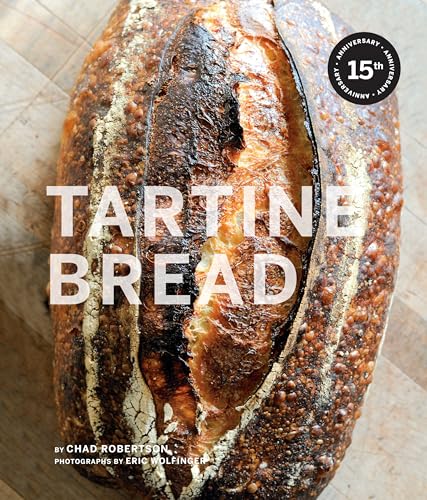
1. Tartine Manual by Tartine: Master Artisanal Loaf Crafting and Techniques
- Good Meat: The Complete Guide to Sourcing and Cooking Sustainable Meat
- Hardcover Book

Grasping the essence of rustic bread can feel elusive without the right guidance. The Tartine Manual takes you deep into the heart of artisanal loaf crafting, going beyond simplistic instructions to reveal the subtle science behind open crumb structures and golden, crackling crusts.
You’ll discover a disciplined approach that requires patience and precision, challenging the assumption that baking exceptional bread is a quick endeavor. The emphasis on controlled fermentation and hydration profiles encourages a deeper understanding of dough behavior.
Tartine’s step-by-step processes highlight how temperature, environment, and ingredient quality play pivotal roles. This book addresses how flour choice and natural leaven starters influence flavor complexity in ways often overlooked.
Carefully detailed techniques provide clarity, helping novices and seasoned bakers alike fine-tune their loaf textures and aromas. The author’s expertise shapes the narrative, steering you from routine baking habits towards true craftsmanship.
Best for: Bakers eager to elevate their artisan loaf making through precise, science-backed methods and patient refining of technique.
Pros:
- Offers a thorough exploration of fermentation and dough hydration
- Breaks down complex techniques into approachable steps
- Emphasizes flavor depth through natural leaven use
- Includes insights on handling and scoring for artisanal aesthetics
- Guided by a renowned bakery’s proven methodology
Cons:
- May require extra time and care, making it less suited for quick baking
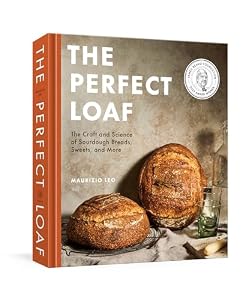
2. The Perfect Loaf Baking Book by The Perfect Loaf – Master Artisan Sourdough Techniques

Transform your kitchen into a genuine bakery laboratory with deep insights into fermenting and mixing dough. Understanding the delicate balance of natural yeasts and hydration unlocks flavors often missed by typical recipes. This book challenges the idea that sourdough baking requires complicated tools or lengthy procedures.
Every page dives into a thoughtful blend of science and artistry, guiding you through precise methods for fermenting wild yeast. You’ll find techniques that simplify maintenance while elevating your bread’s texture and aroma, offering more than the usual recipe collection.
The Perfect Loaf brand brings expert craftsmanship to home bakers, showcasing how temperature, timing, and ingredient quality interact to produce outstanding sourdough breads and even sweet treats. It encourages experimentation without fear, helping you avoid common pitfalls with clear, step-by-step instructions.
Beyond basic loaves, the book explores creative variations, expanding your repertoire with desserts that retain the signature tang and crust you love. This makes it an indispensable resource for bakers who want to deepen their understanding and refine their skillset.
Best for: Home bakers eager to master authentic sourdough crafting with precision and confidence.
Pros:
- Comprehensive coverage of sourdough science and techniques
- Clear step-by-step instructions encouraging experimentation
- Includes recipes for both breads and sourdough-based sweets
- Emphasizes artisan-quality results using accessible methods
- Written by a trusted brand known for baking expertise
Cons:
- Focus on sourdough may limit breadth of other bread styles covered
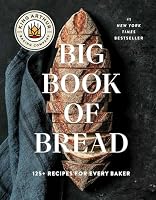
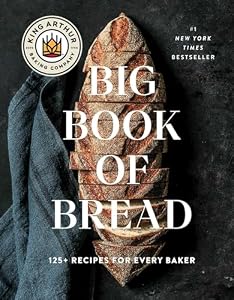
3. King Arthur Big Book of Bread: Over 125 Versatile Recipes for Skilled Bakers

Mastering the art of homemade bread can feel intimidating, especially when juggling different flours, starters, and baking times. This comprehensive collection from King Arthur Baking Company demystifies the craft with over 125 recipes tailored to all skill levels.
Explore a variety of techniques that challenge the notion that bread baking requires extensive experience. With clear, approachable instructions, you can experiment confidently whether aiming for crusty artisanal loaves or softer sandwich breads. The book’s breadth helps navigate both simple and complex recipes, adapting easily to your kitchen rhythms.
Beyond just recipes, the book emphasizes understanding the crucial elements of fermentation and dough development, empowering you to troubleshoot and customize your loaves effectively. King Arthur’s expertise shines through practical tips and insights that elevate your baking beyond routine.
From starters to shaping, the collection spotlights diverse bread styles and offers guidance that nurtures your skills progressively. This resource fosters creativity while ensuring consistent, excellent results that reward time spent at the oven.
Best for: Home bakers eager to deepen their bread-making knowledge and those ready to try a wide range of recipes with reliable guidance.
Pros:
- Extensive variety with 125+ recipes covering multiple bread types
- Step-by-step instructions suitable for novices and intermediate bakers
- Focus on technique and ingredient understanding
- Practical tips for troubleshooting and perfecting dough
- Produced by a trusted, expert baking company
Cons:
- Sheer number of recipes may feel overwhelming initially
- May require some specialty ingredients not always available locally
4. Paul Hollywood 100 Great Breads: Master Classic and Contemporary Loaves with Confidence
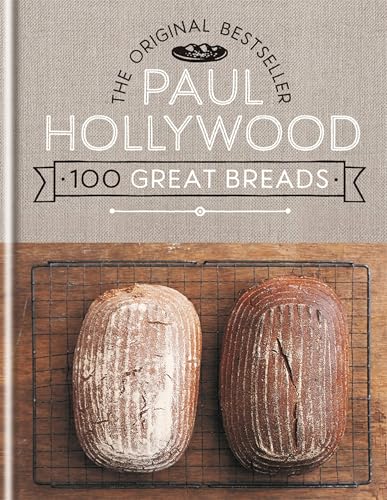
Unlock the complexity behind traditional and modern loaves with a classic guide that has transformed countless kitchens. Known for his precise techniques, Paul Hollywood offers an approachable path to achieving authentic textures and flavors.
Demystifying the idea that bread making is an art reserved for experts, this book breaks down methods into clear, manageable steps. You’ll discover how simple adjustments can create distinct results, from crusty artisan breads to soft sandwich favorites.
Every recipe shines a light on the science of dough, hydration, and fermentation, revealing what actually influences rise and crumb. Coupled with compelling photos, you gain the confidence to experiment and master a wide array of techniques.
Whether you crave classic European styles or crave innovation, this collection reflects years of experience and meticulous testing, ensuring you can replicate each loaf at home without guesswork.
Paul Hollywood’s expertise turns complex baking into an accessible craft, empowering you to elevate your homemade breads with ease and consistency.
Best for: Enthusiasts eager to develop a broad range of reliably impressive bread recipes and understand the fundamentals behind great baking.
Pros:
- Comprehensive guide covering 100 diverse bread recipes
- Clear instructions simplifying technical processes
- Includes detailed troubleshooting tips
- Showcases both classic and innovative breads
- Renowned author with professional baking insights
Cons:
- May require some basic baking equipment for best results
5. Amazon Peter Reinhart Artisan Breads Every Day Guide to Everyday Baking Excellence

Mastering the art of crust and crumb doesn’t happen by chance. It demands a deep understanding of how ingredients and time transform dough into something extraordinary. Peter Reinhart’s approach dismantles myths about complicated bread baking, focusing instead on accessible, reliable techniques that deliver remarkable results.
More than a collection of recipes, this volume explores the subtle science behind fermentation and hydration, revealing how small adjustments dramatically enhance texture and flavor. You’ll find guidance for using everyday kitchen tools to achieve professional-quality loaves with ease.
The book breaks down complex steps into manageable tasks to empower bakers at all levels. Reinhart’s calming presence inside these pages invites experimentation without intimidation, making it easier to build confidence in shaping, scoring, and proofing your dough.
Amazon’s Artisan Breads Every Day serves as a bridge between artisanal methods and practical application, shining a light on the nuances that separate a good loaf from a great one. Consistent, award-winning techniques help turn your kitchen into a bakery.
Best for: Enthusiasts aiming to blend daily baking routines with artisan skills for fresh, flavorful breads.
Pros:
- Clear explanations of fermentation and hydration
- Focus on practical, everyday baking scenarios
- Inclusive for novices while valuable for seasoned bakers
- Emphasizes ingredient manipulation for flavor depth
- Equips users with techniques to create varied bread types
Cons:
- May require patience to fully master step-by-step processes
- Some recipes might demand longer preparation times than quick-bake alternatives
6. Taste of Home Breads: 100 Recipes for Artisan Loaves, Rolls, and Biscuits

Mastering the art of breadmaking often hinges on trusted recipes and clear guidance. Taste of Home Breads brings you 100 diverse recipes that cover everything from crusty artisan loaves to tender biscuits and everyday rolls, all crafted to enhance your baking skills. The wide range of recipes encourages experimentation with textures and flavors that suit various tastes and occasions.
Drawing on the expertise behind the Taste of Home brand, this collection simplifies complex bread techniques, breaking them down into approachable steps suitable for both beginners and experienced bakers. You’ll find methods that allow you to develop your signature loaf with consistent, delightful results, without needing professional equipment.
The book emphasizes practical baking, with clear instructions that focus on achieving the perfect crumb, crust, and rise. You’ll learn how to handle doughs ranging from rustic sourdoughs to quick breads and flaky biscuits, making it a versatile resource for everyday and special baking projects alike.
Each recipe encourages you to understand the interaction of ingredients and techniques, fostering a deeper connection to the baking process that goes beyond simply following a formula. The Taste of Home approach enriches your kitchen repertoire, helping you create breads that impress in flavor and presentation.
Best for: Home bakers who want a broad spectrum of bread recipes combined with user-friendly instructions and proven techniques.
Pros:
- Comprehensive range of 100 diverse bread recipes
- Clear, approachable baking techniques suitable for varying skill levels
- Includes loaves, rolls, biscuits, and everyday baking ideas
- Encourages understanding of ingredient and technique interactions
- Provides consistent guidance to improve bread texture and crust
Cons:
- May focus more on traditional recipes, offering less emphasis on gluten-free or specialty diets
7. Simple Sourdough Cookbook by Caterina Milano – Artisan Bread Recipes for Home Bakers

Mastering the art of traditional sourdough starts with understanding the basics without overwhelming complexity. The Simple Sourdough Cookbook offers precisely that—a clear path to baking authentic artisan bread with approachable techniques and a minimal ingredient list.
Caterina Milano’s expertise shines through with straightforward instructions that enable you to develop naturally fermented loaves from scratch. Each recipe is crafted to build confidence by breaking down fermentation, dough handling, and baking steps.
Beyond basic loaves, this guide unlocks the potential of your homemade starter, teaching how to nurture and maintain it effortlessly. The focus is on cultivating flavor and texture with patience rather than shortcuts, supporting a rewarding baking experience.
Readers gain insight into traditional artisan methods while adapting them for home kitchens. This cookbook dispels the myth that sourdough requires complicated equipment or intimidating procedures, making artisan bread accessible to bakers of all levels.
Best for: Home bakers eager to deepen their skills with natural fermentation and recipe fundamentals in sourdough creation.
Pros:
- Clear, beginner-friendly instructions with expert guidance
- Focus on traditional artisan bread techniques
- Comprehensive starter care and maintenance advice
- Encourages patience and understanding of natural fermentation
- Recipes suited for everyday home baking
Cons:
- The emphasis on simplicity may limit more advanced technique exploration
8. Josey Baker Bread: Expert Guide for Crafting Delicious Homemade Bread
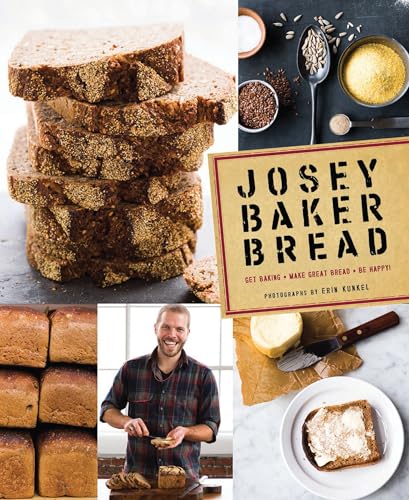
Understanding the art of bread making can transform your kitchen into a haven for warmth and flavor. Delving into this book reveals a refreshing approach that values simplicity while unlocking complex taste profiles. You’ll find that mastering loaf textures and crusts doesn’t demand overwhelming techniques but a genuine connection to the dough.
Josey Baker’s method encourages embracing patience and attentive mixing to coax the best from basic ingredients. He offers a compelling narrative that intertwines practical steps with engaging storytelling, making the process approachable for both novices and experienced bakers alike.
The recipes emphasize accessibility without sacrificing depth, teaching you how flour, water, and time interact—often in surprising ways. Through this book, you’ll gain confidence in shaping, fermenting, and baking loaves that boast both character and satisfying aroma.
With a focus on nurturing your instincts and understanding fermentation, this guide from Josey Baker imparts a rhythmic and mindful baking experience. Every page draws you closer to creating bread that’s not only delicious but a genuine expression of your craftsmanship.
Best for: Home bakers eager to deepen their artisanal bread skills with insightful, hands-on guidance that balances technique and creativity.
Pros:
- Clear, approachable instructions that demystify fermentation and dough handling
- Focuses on developing intuitive baking skills rather than rigid formulas
- Inspires a joyful and personal connection to bread making
- Includes a variety of recipes suitable for different skill levels
- Encourages sustainable and mindful baking practices
Cons:
- The unorthodox narrative style may not suit those who prefer strictly technical manuals
- Some recipes might require ingredients or tools not found in every kitchen, which could be a gentle hurdle
9. BreadIn5 The Best of Artisan Bread in Five Minutes a Day Recipe Collection

Balancing a busy schedule with the desire for fresh, homemade bread can feel impossible. This collection from BreadIn5 shatters that notion by showing how to create artisanal-quality loaves in a fraction of traditional baking time. You gain access to a variety of recipes designed to fit easily into fast-paced lifestyles while preserving authentic textures and flavors.
Revealing a baking method that minimizes daily effort without compromising complexity, the book offers insights into quick, practical techniques perfect for both novice and experienced bakers. It transforms the process into manageable steps that fit seamlessly into modern routines.
Favorite artisan recipes are presented with clear instructions, making textures and crusts attainable that typically require much more preparation. The approach fosters confidence and creativity, reducing intimidation often associated with specialized bread baking.
Shared recipes spotlight versatility and result in consistently satisfying outcomes. BreadIn5’s guidance encourages experimentation with doughs that ferment slowly in your fridge, allowing a hands-off approach that brings bakery standards home.
Best for: Enthusiasts wanting quick yet high-quality artisanal bread solutions convenient for everyday life.
Pros:
- Simplifies artisan baking with minimal daily preparation
- Offers a diverse range of proven, flavorful recipes
- Encourages fridge-friendly dough methods for ease
- Accessible for bakers with varying skill levels
- Supports consistent bakery-style results at home
Cons:
- Some recipes may require planning ahead to accommodate refrigeration times
10. Bake with Ease Sourdough Cookbook for Beginners by Home Kitchen Library with 100 Recipes

Mastering the art of sourdough can feel overwhelming without a reliable guide breaking down every stage. Bake with Ease Sourdough Cookbook for Beginners steps into that gap, offering clear, methodical instructions that turn seemingly complex artisan bread techniques into approachable tasks. It emphasizes using all-natural ingredients to craft vibrant flavors and textures.
Explore over 100 budget-friendly recipes that don’t just rely on traditional methods but invite experimentation within a structured framework. This approach dispels the myth that artisan baking demands expensive ingredients or specialized equipment, making creative, wholesome breads accessible for most home kitchens.
The book focuses on nurturing your starter healthily and manipulating dough with confidence, pushing beyond just following directions to truly understanding the craft. Home Kitchen Library’s expertise shines through in its practical tips and troubleshooting advice, helping you avoid common pitfalls.
Whether you’re craving a hearty loaf or delicate pastries, this collection balances simplicity and innovation to build your baking skills session by session. Each recipe encourages a hands-on learning experience to help you develop a lasting relationship with sourdough baking.
Best for: Enthusiasts eager to start sourdough with budget-conscious, wholesome recipes and clear, stepwise guidance.
Pros:
- Comprehensive step-by-step instructions tailored for beginners.
- Focus on healthy, all-natural ingredients enhancing flavor and nutrition.
- Over 100 diverse recipes spanning breads and pastries.
- Emphasizes budget-friendly baking without sacrificing quality.
- Includes practical tips for sourdough starter maintenance and dough handling.
Cons:
- Primarily suited for beginners; advanced bakers may find techniques basic.
Key Specs Compared: Top Bread Baking Book Features
| Book Title | Main Focus | Number of Recipes | Skill Level |
|---|---|---|---|
| Tartine Bread | Artisan bread techniques | Not specified | Intermediate to advanced |
| The Perfect Loaf: Craft & Science | Sourdough breads and sweets | Varied sourdough recipes | Beginner to advanced |
| King Arthur Baking Co. Big Book | Wide variety of 125+ recipes | 125+ recipes | All skill levels |
| Paul Hollywood 100 Great Breads | Original bestseller bread recipes | 100+ recipes | Intermediate |
| Peter Reinhart Artisan Breads | Everyday artisan bread baking | Varied artisan recipes | Intermediate |
| Taste of Home Breads | Homemade loaves, rolls, biscuits | 100 recipes | Beginner to intermediate |
| Simple Sourdough Cookbook | Beginner’s guide to sourdough | Sourdough recipe collection | Beginner |
| Josey Baker Bread | Creative bread baking approach | Varied recipes | All skill levels |
What Makes the Best Bread Baking Book a Must-Have for Your Kitchen?

Choosing the right bread baking book can be the difference between a kitchen full of failed batches and the proud smell of freshly baked loaves. It’s not just about recipes; it’s about the depth of technique, clarity of instruction, and the author’s approach to the craft that shapes your success.
Here’s a breakdown of the key factors to look for that transform a simple cookbook into an indispensable guide for bakers at every level.
Expertise and Author Background
The author’s experience shapes the book’s depth and reliability. A respected baker with decades of hands-on practice or a proven track record in artisan baking brings authority you can trust. This factor determines whether you get merely tested recipes or the insights behind why dough behaves a certain way.
Books by authors like Chad Robertson of Tartine or Peter Reinhart showcase extensive knowledge of fermentation, hydration, and crumb structure, supported by professional credentials and bakery success. Their techniques reflect evolved traditions passed down with nuance and precision.
Ignoring author expertise can lead to vague instructions and missed techniques. Less experienced writers may provide enjoyable but superficial recipes that leave you guessing when breads don’t rise or crusts don’t crust properly.
Clarity and Approachability of Instructions
Clear, step-by-step instructions can turn complex baking into an achievable project. This factor impacts the learning curve, making advanced techniques accessible or leaving you frustrated. The best bread baking books strike a balance between detailed guidance and simplicity.
For example, “Simple Sourdough Cookbook” minimizes jargon, breaking down fermentation stages for beginners, while Paul Hollywood’s book uses straightforward language with detailed photos to guide intermediate bakers. Accessibility includes diagrams and troubleshooting tips crucial for real baker challenges.
Books lacking this often overwhelm bakers with jargon or assume prior knowledge, resulting in confusion and abandoned recipes. It’s easy to abandon baking plans if the instructions aren’t digestible on a busy day.
Range and Variety of Recipes
The diversity of recipes within a bread baking book enriches your skills and keeps inspiration high. This factor determines how many different bread styles—artisan, sourdough, rolls, and biscuits—you can explore and adapt depending on mood and occasion.
The “King Arthur Big Book of Bread” offers over 125 recipes, from crusty baguettes to soft sandwich breads, providing extensive practice across textures and flavors. In contrast, niche books like “The Perfect Loaf” focus specifically on sourdough, diving deep into one technique.
Neglecting variety may stunt skill development, leaving bakers stuck on repetitive loaves. Limited recipe scope can lead to boredom or an inability to master versatile baking techniques.
Scientific Insight Behind Techniques
Bread baking mixes creativity with practical science. Books that clearly explain key processes—like fermentation, gluten formation, and hydration—give bakers a strong foundation to adjust and improve recipes. This knowledge is a game-changer for troubleshooting baking issues.
Peter Reinhart’s books explore how enzymes and fermentation time shape crust and crumb, while Tartine’s guide focuses on managing hydration to achieve perfect texture. These insights reveal *how* factors like flour type and oven temperature interact, helping bakers make informed choices rather than guessing.
Ignoring the science means simply following instructions without knowing why they matter. This often leads to frustration and inconsistent bread because slight changes in environment or ingredients can drastically affect the final bake. Grasping the chemistry ensures dependable results every time.
Skill Level Suitability and Progression
Picking a bread baking book that fits your current skill level is crucial. It should offer a clear pathway from simple recipes to more complex techniques. A well-paced progression keeps motivation high and makes practicing enjoyable rather than frustrating.
For example, “Taste of Home Breads” provides easy-to-follow instructions perfect for beginners learning dough basics. Meanwhile, “Tartine Manual” dives into detailed, artisanal methods that challenge intermediate bakers ready to refine their craft. Knowing which book suits your experience helps you avoid wasting time on methods either too simple or too complex.
Ignoring your skill fit can result in quick burnout or boredom. A book that’s too advanced may cause failure and loss of interest. Conversely, one that’s too basic won’t push your growth, leaving you stuck without developing the skills to bake truly remarkable loaves.
Visual Aids and Supporting Content
Photographs, illustrations, and charts play a crucial role in guiding bakers through complex steps like dough fermentation and shaping. These visuals provide clarity that words alone often miss, such as texture differences or crust color nuances.
For example, Paul Hollywood’s 100 Great Breads uses detailed step-by-step images that make techniques easier to follow. Similarly, Josey Baker Bread combines engaging visuals with storytelling, helping readers connect emotionally while grasping essential methods.
Lacking clear visual aids can cause misinterpretations of dough stages and shaping techniques, leading to common pitfalls like improper proofing or uneven crusts. This often results in frustrating baking failures that could have been avoided with better guidance.
Practicality and Accessibility of Ingredients and Tools
Choosing a baking book with practical ingredients and tools matters a lot for home bakers. Books that stick to what’s easy to find help you bake regularly without frustration. If a recipe needs rare flour or special gear, it can quickly become discouraging for many.
For example, Caterina Milano’s “Simple Sourdough Cookbook” focuses on minimal ingredients and everyday kitchen items like mixing bowls and spoons. On the other hand, some artisan baking guides call for proofing baskets and starters with very specific hydration levels, which can be tough to source.
Ignoring this factor often means facing extra costs or delays hunting down ingredients. This can block progress, making it harder to build confidence or enjoy the process on your own schedule.
Frequently Asked Questions
Which bread baking book is best for beginners?
The Simple Sourdough Cookbook by Caterina Milano stands out for beginners due to its clear, approachable sourdough techniques and minimal ingredient requirements. It breaks down fermentation in a simple way that builds confidence without overwhelming.
This book focuses on sourdough basics and gradually introduces more complex artisan methods, making it easier for novices to follow along and succeed in their first loaves. Its emphasis on ease rather than complexity helps new bakers avoid common pitfalls.
A helpful tip: start with the most basic recipes and pay close attention to the fermentation times described to develop a feel for the dough.
What book offers the widest variety of bread recipes?
King Arthur Baking Company’s Big Book of Bread offers a comprehensive collection of recipes catering to all skill levels. It enables both novices and seasoned bakers to experiment confidently with different flours, starters, and baking techniques due to its clear, approachable instructions.
The book carefully organizes recipes by difficulty, helping you explore a wide range of bread types while building your expertise. This structured approach supports gradual learning and mastery of baking fundamentals.
Pro tip: Read through the sections suited for your skill level before attempting complex recipes to ensure progressive skill development and best outcomes.
Which book focuses specifically on sourdough techniques?
The Perfect Loaf Baking Book focuses exclusively on sourdough methods, offering detailed guidance on crafting artisan-quality loaves. It emphasizes the importance of precision and patience rather than relying on complex tools or overly lengthy processes.
This book debunks common misconceptions by showing that sourdough can be approachable, with straightforward steps for maintaining and using your starter effectively. Recipes and techniques are designed to fit well into home baking routines without overwhelming the baker.
A key piece of advice is to maintain a consistent feeding schedule for your starter, as its health is crucial to successful sourdough baking and consistent results.
Is there a bread baking book that balances science and artistry well?
Peter Reinhart’s Artisan Breads Every Day emphasizes ingredient interactions and minor timing adjustments to help bakers refine their craft. This approach provides nuanced control over texture and flavor development in artisan breads.
The book carefully explains how variations in hydration levels influence dough consistency and final bread quality, offering detailed guidance on adjusting recipes for different results.
Pay close attention to the recommended dough hydration levels, as even small tweaks can dramatically affect your baking outcomes.
Selecting Your Ideal Bread Baking Guide
Finding a book that offers clear techniques and inspiring recipes can revolutionize your bread baking experience. The right guide fills the gap between uncertain attempts and confident artistry, consistently delivering beautiful crusts and tender crumbs. This transformation enhances your skills and turns baking into a truly satisfying craft.
Beginners benefit most from books with simple sourdough methods and easy-to-follow instructions, while advanced bakers should seek out titles rich in fermentation science and hydration details. Match your choice to the type of bread you enjoy baking, whether rustic loaves or delicate baguettes, to make the most of specialized tips.
Begin your journey by selecting a book that fits your schedule and ingredient availability, making sure to follow advice on maintaining proper oven temperature and proofing times. Keeping consistency and attention to the small details will help you avoid pitfalls and unlock your best loaves.
Last update on 2026-11-17 / Affiliate links / Images from Amazon Product Advertising API