
Strawberry Bon Bon Candy: Homemade, Chewy and Nostalgic
When you bite into strawberry bon bon candy, you’ll first notice the crisp, glossy sugar shell that swiftly dissolves, revealing a chewy, pectin-thickened center bursting with fresh strawberry flavor and balanced tartness.
This treat combines hard candy’s texture with a soft, tangy middle, crafted using heated sugar, glucose syrup, and subtle emulsifiers for consistent chew.
Its vibrant red hue and nostalgic wrapper evoke classic candy craftsmanship. Explore how its origin, production, and ingredients merge to create this timeless confection.
Key Takeaways
- Strawberry bon bon candy features a hard sugar shell with a chewy, strawberry-flavored center, often dusted with powdery sugar.
- Its origins trace back to 17th-century French bonbons and evolved through 19th-century mechanized candy making.
- Typical ingredients include sugar, glucose syrup, fully hydrogenated vegetable fats, gelatin, and citric acid for tartness.
- Modern production uses continuous cooking, extrusion, and automated cutting to ensure consistent texture and flavor.
- The candy holds nostalgic value, often linked to mid-century traditions, holiday rituals, and vintage packaging designs.
Recipe at a Glance: Homemade Strawberry Bon Bon Candy
| Ingredients / Tools | Steps / Actions |
|---|---|
| Strawberry gelatin mix | Add to a large mixing bowl to form the candy’s signature strawberry flavor |
| Granulated sugar | Combine with gelatin to create a sweet, chewy base |
| Light corn syrup | Stir in to give the candy its classic bon bon texture |
| Water | Heat gently to dissolve ingredients evenly |
| Strawberry extract (optional) | Enhance the natural strawberry aroma and taste |
| Food coloring (red or pink) | Add a few drops for a vibrant candy appearance |
| Saucepan | Heat mixture over low to medium heat, stirring constantly |
| Mixing spoon or spatula | Prevent sticking and ensure smooth consistency |
| Wax or parchment paper | Pour and cool mixture to avoid mess and sticking |
| Powdered sugar | Roll cooled candy pieces to create the classic bon bon coating |
| Sharp knife or candy cutter | Cut into bite-sized bon bon pieces |
| Airtight container | Store to maintain freshness and chewiness |
Historical Origins and Evolution
Although you might take strawberry bonbon candy for granted today, its roots trace back centuries to European confectionery traditions. Artisans first crafted small sugar-coated or filled sweets known as bonbons.
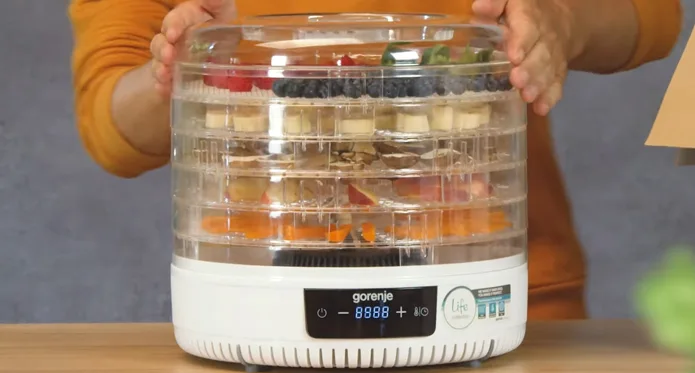
The term “bonbon” itself comes from French, meaning “good-good,” reflecting the candy’s delightful nature. Many traditional confections were preserved using temperature control techniques similar to those employed in food dehydration.
You’d find early versions in 17th-century France—tiny confections with sugar shells or soft centers. By the 18th and 19th centuries, French and German makers innovated filled centers, inspiring fruit-flavored drops.
These candies evolved from medicinal pastilles used in apothecaries, where sugar encapsulated herbal extracts.
Industrial advances in 19th-century Europe mechanized production, allowing mass creation of molded, filled sweets. As techniques migrated across Europe, British and continental confectioners adapted bonbon styles.
This evolution eventually led to the emergence of strawberry-flavored filled candies by the late 19th century. The modern American strawberry bon bon, with its pectin-thickened paste filling and hard glossy sugar shell, is a direct descendant of these traditions.
Distinctive Characteristics and Flavor Profile
Building on the candy’s rich history, strawberry bonbons stand out for their unique blend of textures and vibrant flavor.
Strawberry bonbons captivate with their rich history and delightful mix of vibrant flavor and texture.
You’ll first notice the powdery sugar-dusted exterior that gently dissolves, revealing a chewy center requiring a mouth workout. Installing an anti-tip bracket enhances kitchen safety when enjoying treats near cooking appliances.
Some variants contrast a hard candy shell with a soft, chewy interior, while others, like the Sunrise type, surprise you with a liquid-filled core bursting with juicy strawberry notes.
The flavor profile balances fresh strawberry essence with tangy citric acid and subtle artificial flavors, delivering a sweet, slightly tart experience.
The traditional recipe includes ingredients such as sugar, glucose syrup, and fully hydrogenated vegetable fat, which contribute to the bonbons’ characteristic texture and taste ingredient list.
Visually, vibrant reds from anthocyanins or synthetic dyes catch your eye, and intricate emulsifiers and stabilizers guarantee consistent chewiness and texture throughout each bonbon you savor.
Traditional and Modern Production Techniques

When you plunge into the production of strawberry bonbons, you’ll find a fascinating contrast between time-honored batch methods and cutting-edge industrial techniques. Professional kitchens often rely on versatile cooking methods to achieve consistent results in confectionery.
Traditionally, you boil sugar, corn syrup, and water to a precise hard-candy stage. Then you form filled ropes by hand, stamping them into individual pieces with rotary die cutters.
You add flavor oils post-cook to preserve strawberry aromatics and finish with shellac glazing for shine.
In modern plants, continuous cookers and extruders replace kettles, ensuring uniform texture and faster throughput. Automated lines portion, cut, and wrap thousands of candies per minute, with climate-controlled cooling tunnels setting consistent gloss and center chewiness.
Despite these efficiencies, it is common that all size variants of strawberry bonbons are currently sold out.
Inline vision systems inspect color and weight, while innovative stabilizers and clean-label flavors extend shelf life.
This blend of tradition and technology shapes each bonbon’s delicate texture and vivid flavor.
Cultural Significance and Nostalgic Appeal
Beyond the intricate balance of ingredients and production methods, strawberry bonbons carry a rich cultural weight that resonates through history and memory.
You sense their nostalgic appeal in the iconic red-and-green wrappers, evoking mid-century home hospitality and childhood candy dishes. These candies frequently appear in purses and cut-glass dishes in living rooms, reflecting a grandma association deeply ingrained in cultural expectations.
Their packaging often utilizes airtight seals to maintain freshness, paralleling the preservation practices seen in food storage.
These sweets connect you to seasonal rituals like trick-or-treating and family gatherings, embedding themselves in intergenerational traditions.
Their presence in vintage aesthetics and “grandmillennial” trends underscores a longing for simpler domestic moments.
| Aspect | Cultural Impact |
|---|---|
| Historical Roots | From 17th-century Europe to 20th-century U.S. |
| Nostalgia | Grandma’s candy dish, holiday rituals |
| Popular Culture | Symbol of wholesome, retro domesticity |
| Social Role | Affordable, communal candy for social events |
Ingredient Composition and Flavor Science

Although strawberry bonbons may seem simple, their ingredient composition and flavor science reveal a complex interplay of components tailored to create their signature chew, sweetness, and aroma.
Sugars like sucrose, glucose syrup, and maltodextrin balance sweetness and control crystallization. Fully hydrogenated vegetable fats soften chew resistance and enhance mouthfeel.
The inclusion of fully hydrogenated vegetable fat derived from coconut adds a distinctive texture and subtle richness to the candy’s profile, contributing to its overall softness and mouth-coating quality (coconut fat).
Using precise ingredient ratios helps maintain consistent product quality and shelf life. Gelatin and plant gums form a viscoelastic matrix, stabilizing water activity and retaining encapsulated flavors.
Sorbitol acts as a humectant, preserving moisture and softness. Oxygen scavengers can be applied in packaging to preserve freshness and extend shelf stability by reducing oxidation oxygen absorbers.
Citric acid sharpens tartness and pH, amplifying the strawberry profile crafted from esters, aldehydes, and furans. Fat and gum matrices modulate volatile release, influencing aroma perception.
Red colorants like cochineal intensify fruitiness via color-flavor synergy. Together, these ingredients deliver the sensory experience you recognize as classic strawberry bonbon candy.
Frequently Asked Questions
Where Can I Buy Strawberry Bon Bon Candy Today?
You can buy strawberry bon bon candy today at several places.
Check Palmer Candy online for affordable options around $2.87 per pound, or visit their Sioux City store for fresh picks.
Walmart stocks multiple brands, like NY SPICE SHOP’s 1-pound bag for $8.95, plus SweetGourmet bulk packs.
Russell Stover’s 12 oz individually wrapped bags at $6.99 are great for freshness.
Opie’s Candy Store and Candyland offer various sizes and flavors too.
Are Strawberry Bon Bon Candies Gluten-Free?
You might be surprised that many strawberry bon bon candies are gluten-free, but it really depends on the brand and ingredients.
When you bite into a chewy, fruity bon bon, you’re often tasting sugar, fruit pulp, and natural flavors without gluten-containing additives.
However, cross-contamination risks exist in some manufacturing facilities, so always check labels carefully.
If you want a safe choice, look for explicit gluten-free markings or certifications to savor the sweet treat worry-free.
How Long Do Strawberry Bon Bon Candies Last Unopened?
You can expect unopened strawberry bon bon candies to last between 9 and 18 months, depending on their packaging and formulation.
To keep their texture crisp and flavor vibrant, store them in a cool, dry place away from humidity and heat.
If you notice any stickiness, sugar bloom, or off aromas through the packaging, that’s a sign they’ve started to degrade even if unopened.
Can Strawberry Bon Bon Candies Be Used in Baking Recipes?
Yes, you can definitely use strawberry bon bon candies in baking recipes. Their creamy, sweet filling adds moisture and a burst of strawberry flavor to cakes, cookies, or pastries.
Melt or chop them to incorporate into batters or frostings, enhancing texture with rich, fruity notes. Just be mindful of their sugar content and adjust other sweeteners accordingly.
Their delicate balance of creaminess and fruitiness can elevate your baked creations beautifully.
What Are Popular Brands That Make Strawberry Bon Bon Candies?
When you crave that sweet, nostalgic burst of strawberry delight, you’ll find Russell Stover crafting softly centered bonbons wrapped in a hard shell.
Sunrise offers a classic, glossy hard candy with vibrant hues, while Rose delights you with chewy, fruity textures.
Eiffel’s tangy, powdery-coated treats tease your taste buds, and generic producers supply bulk varieties perfect for sharing. These brands masterfully balance texture and flavor to satisfy your confectionery desires.
Turn This Strawberry Bon Bon Candy Recipe Into a Family Favorite
As you unwrap a strawberry bon bon candy, you’re not just savoring a sweet treat. You’re indulging in a delicate dance of flavors crafted through time-honored techniques.
Its tender, ruby center cloaked in silky chocolate gently melts, teasing your senses with whispers of ripe berries and subtle creaminess. This confection isn’t merely candy; it’s a bittersweet passage into nostalgic moments.
A refined pleasure that softly lingers, inviting you to relish its understated elegance again and again.