
What Is a Hanger Steak? Tips for Tender, Juicy Cooking
A hanger steak is a prized, flavorful cut that hangs from your cow’s diaphragm. Known as the butcher’s favorite because there’s only one per animal, it’s thick, tender, and rich with a beefy, iron-tinged taste thanks to its hardworking muscle origin.
This cut has a coarse grain that soaks up marinades beautifully, making it juicy and delicious. If you want to master preparing it perfectly and explore ideal pairings, there’s plenty more to uncover.
Key Takeaways
- Hanger steak is a flavorful, tender cut from the diaphragm muscle, hanging between the rib and loin sections of a steer.
- It is known as the butcher’s personal cut because only one exists per animal and requires trimming of a central sinew.
- This cut has a rich, beefy taste with a distinct iron flavor and coarse grain that absorbs marinades well.
- Hanger steak is thicker and shorter than skirt steak, with a dense yet tender texture when cooked properly.
- Best cooked quickly over high heat to medium-rare and sliced against the grain for optimal juiciness and flavor.
What Is Hanger Steak and Where Does It Come From?
Though it’s often overlooked, hanger steak offers a unique cut prized for its rich flavor and tender texture. You’ll find it hanging from the diaphragm muscle, nestled between the rib and loin sections of the cow.
This flat-shaped steak is special because it’s the butcher’s personal cut, stemming from just one per steer. Its coarse texture and loose grain, combined with intramuscular fat, give it a juicy, beefy taste that stands out.
Weighing about 1 to 2 pounds whole and measuring roughly 6 to 7 inches long, hanger steak sits near the short loin and kidney. It features a thick central sinew that you’ll want to trim before cooking.
Knowing where it comes from helps you appreciate this flavorful, tender cut even more. Because it comes from a less-used muscle, hanger steak is prized for its tenderness and exclusivity.
Hanger Steak vs. Skirt Steak: What’s the Difference?
When you compare hanger steak and skirt steak, you’ll notice distinct differences in shape, texture, and flavor that influence how each cut performs in the kitchen.
Hanger steak is thicker, shorter, and prized for its tender, beefy flavor. Skirt steak, on the other hand, is longer, thinner, and has a chewier texture with a more intense grain. Both come from the plate area but differ in muscle origin and cooking versatility.
| Feature | Hanger Steak | Skirt Steak |
|---|---|---|
| Shape | Thick, short | Long, thin |
| Texture | Tender, coarse grain | Chewy, fibrous |
| Flavor | Rich, beefy with iron notes | Strong, robust |
| Cooking Method | Quick sear, grill hot | High heat, quick cook |
| Typical Use | Steaks, sandwiches, salads | Fajitas, tacos, stir-fries |
Proper preparation, including meat cubing technique, can enhance the texture and flavor of these cuts when grinding or cooking.
What Makes Hanger Steak So Flavorful?

Because hanger steak comes from a muscle that does a lot of work near the diaphragm, it develops a rich, beefy flavor that stands out on your palate.
Hanger steak’s hardworking muscle near the diaphragm delivers an intense, rich beefy flavor that truly shines.
This muscle’s constant movement creates a dense texture packed with robust taste and a hint of iron that you won’t find in many other cuts.
You’ll notice how its loose grain absorbs marinades deeply, boosting juiciness and enhancing complexity.
The marbling within the steak adds a buttery richness, balancing the intensity without overwhelming you.
When cooked properly, the tender interior contrasts beautifully with the steak’s coarse exterior, delivering a satisfying bite every time.
This unique combination of muscle activity, fat distribution, and texture is exactly why hanger steak offers such an unforgettable flavor experience.
For those interested in processing hanger steak at home, investing in a quality meat grinder performance can help you enjoy fresh ground beef with optimal texture and flavor.
How to Tell If Your Hanger Steak Is Good?
The rich flavor and tender texture of hanger steak start with selecting a quality cut. When choosing yours, look for deep red color with fine marbling. The small streaks of fat promise juiciness and flavor.
Avoid any steak that looks dry, discolored, or has an unpleasant odor. The surface should feel slightly firm but not hard or slimy. Check the thickness; a good hanger steak is typically 1 to 1.5 inches thick for even cooking.
Don’t forget to spot the thick sinew running through the middle; it should be intact so you can trim it yourself. By picking a fresh, well-marbled hanger steak with a vibrant color and firm texture, you’ll set the stage for a delicious, tender meal. Properly prepping the meat before cooking is essential to maintain its texture and enhance flavor.
How to Cook Hanger Steak for Tenderness?
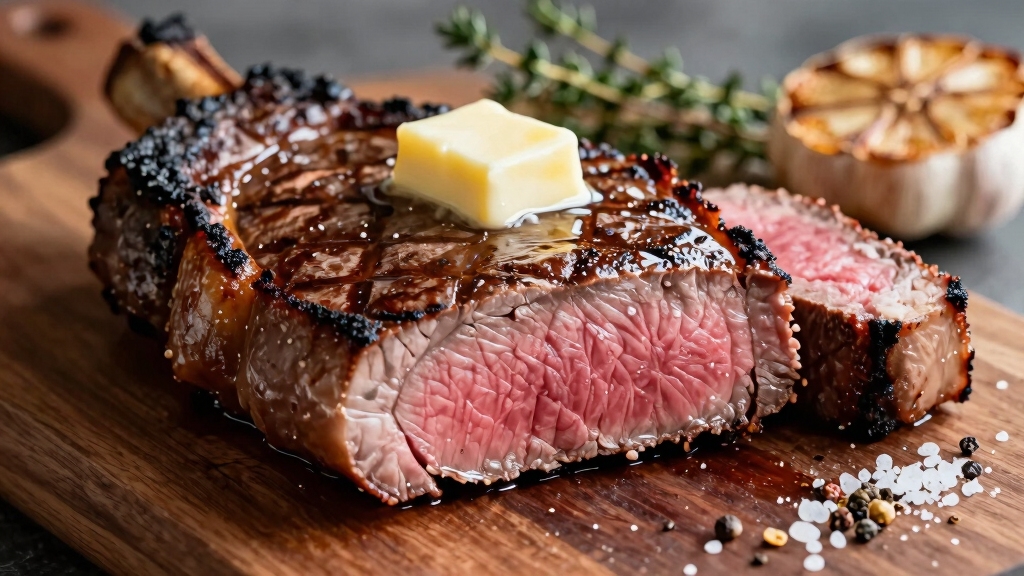
Mastering hanger steak’s tenderness starts with cooking it quickly over high heat to seal in juices while keeping the interior soft.
Achieve tender hanger steak by searing it fast and hot to lock in juicy, flavorful goodness.
Preheat your grill or skillet to a scorching 500°F or use medium-high heat for searing.
Cook the steak for about 8-10 minutes total, flipping once, aiming for an internal temperature of 135-145°F to achieve a perfect medium-rare to medium doneness.
Avoid overcooking, as hanger steak’s loose grain can turn chewy.
Before cooking, trim away the thick central sinew, which can toughen your bite.
Let the steak rest five minutes after cooking to redistribute juices.
This method locks in the rich, beefy flavors and tender texture you want, making every bite juicy and satisfying.
For best results, applying coarse kosher salt at least 45 minutes before cooking allows for deep flavor penetration and improved tenderness through moisture retention.
How to Cut Hanger Steak for Maximum Tenderness?
Once you’ve cooked your hanger steak to juicy perfection, how you slice it can make all the difference in tenderness.
First, identify the grain, the direction the muscle fibers run, and always cut perpendicular to it. This breaks those long, coarse fibers into shorter pieces, making each bite easier to chew.
Start by trimming away the thick central sinew, if you haven’t already, to avoid chewy bits. Use a sharp knife and slice the steak into thin strips, about a quarter-inch thick.
Cutting thinly ensures maximum tenderness and showcases the steak’s rich, beefy texture. Serve immediately after slicing to preserve juiciness.
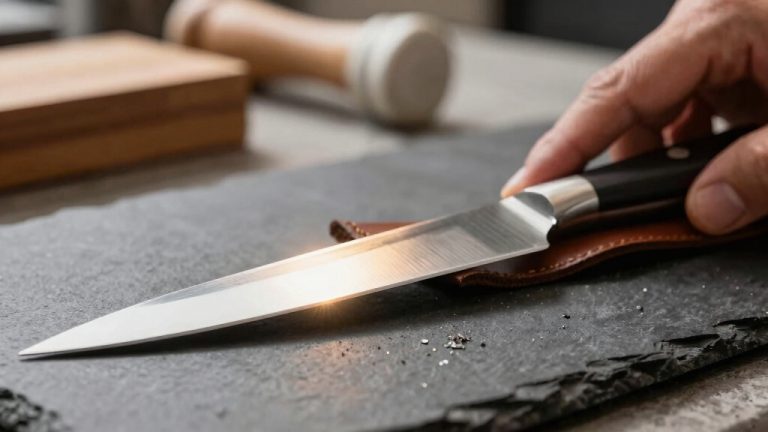
With this simple technique, you’ll reveal the full potential of your hanger steak, turning it into a melt-in-your-mouth delight every time. Maintaining a sharp knife is essential to achieve clean cuts and prevent tearing of the meat fibers.
Best Recipes and Marinades for Hanger Steak
Bring out the bold, beefy flavor of hanger steak by pairing it with marinades and recipes that complement its unique texture and rich taste.
These ingredients penetrate the steak’s loose grain, enhancing juiciness and tenderness.
For recipes, grilling or pan-searing with a quick marinade works wonders.
Try chimichurri sauce for a zesty finish or a spicy dry rub to add a smoky kick.
Serve sliced against the grain to maximize tenderness.
Whether you’re making tacos, salads, or classic steak dinners, hanger steak shines when balanced with flavors that highlight its natural richness without overpowering it.
Using the right knife can further improve the quality and presentation of your steak preparations.
Frequently Asked Questions
Can Hanger Steak Be Frozen and Still Retain Its Flavor?
Yes, you can freeze hanger steak and still keep its rich, beefy flavor.
To do it right, wrap it tightly in plastic wrap and foil or use a vacuum sealer to prevent freezer burn.
When you thaw it slowly in the fridge, you’ll preserve its tenderness and juiciness.
Just avoid refreezing and cook it soon after thawing to enjoy that bold, pronounced taste hanger steak’s known for.
Is Hanger Steak Suitable for Slow Cooking Methods?
You might be surprised to know hanger steak weighs only about 1-2 pounds whole, making it less ideal for slow cooking.
You shouldn’t slow cook hanger steak because it shines with hot, fast methods that preserve its tenderness and beefy flavor.
Slow cooking can break down its coarse texture too much, turning it mushy.
Instead, grill or sear it quickly, then slice against the grain to enjoy its juiciness and rich taste.
How Long Does Hanger Steak Stay Fresh in the Refrigerator?
You can keep hanger steak fresh in your refrigerator for about 3 to 5 days if it’s properly wrapped or stored in an airtight container.
To maintain its tenderness and flavor, make sure your fridge stays at or below 40°F. If you don’t plan to cook it within that window, freezing it will preserve quality longer, usually up to 6 months.
Always check for any off smells or sliminess before cooking.
Are There Any Common Allergens in Hanger Steak Marinades?
Marinades can be a mixed bag of allergens, so you’ll want to watch out.
Common culprits include soy sauce, which hides gluten and soy, and Worcestershire sauce, often containing anchovies.
Garlic and mustard add punch but can trigger sensitivities.
If you’re crafting your own marinade, you control the ingredients, but store-bought versions might sneak in nuts or dairy.
Always check labels carefully to keep your hanger steak feast safe and delicious.
Experience the Rich Flavor of Hanger Steak Today
Now that you know hanger steak comes from the diaphragm and packs twice the flavor of many cuts, it’s time to give it a try.
Remember, only about 1 in 10 butchers keeps hanger steak in stock, making it a rare treat you don’t want to miss.
With the right cooking and slicing techniques, you’ll enjoy a tender, juicy bite every time. Get ready to impress your taste buds and your guests!