Best Camera for Photographing Food: Top Picks Reviewed
Food photography loses its appeal when images come out blurry or poorly lit, leaving textures dull and colors washed out. Lighting challenges and shaky hands often turn mouth-watering dishes into forgettable snaps. Capturing the fine details of sauces, crispy edges, or juicy layers demands more than just any camera.
The best camera for photographing food must deliver sharp focus, vibrant color accuracy, and reliable image stabilization to handle close-up shots and low-light settings effectively.
Many cameras miss the mark by lacking bright apertures at useful focal lengths or fail to stabilize handheld shots, especially during intricate compositions. The cameras listed here push beyond common shortcomings to bring your food photography to life.
| Image | Name | Editor's Rating | Price |
|---|---|---|---|

|
Panasonic LUMIX FZ300 Long Zoom Digital Camera Features 12.1...
|
|
|

|
Canon EOS RP Mirrorless Camera RF24-105mm Lens F4-7.1 is STM...
|
|
|

|
Sony RX100 III 20.1 MP Premium Compact Digital Camera w/1-in...
|
|
|

|
Nikon Z50 II with Two Lenses | Compact mirrorless Stills/Vid...
|
|
|
|
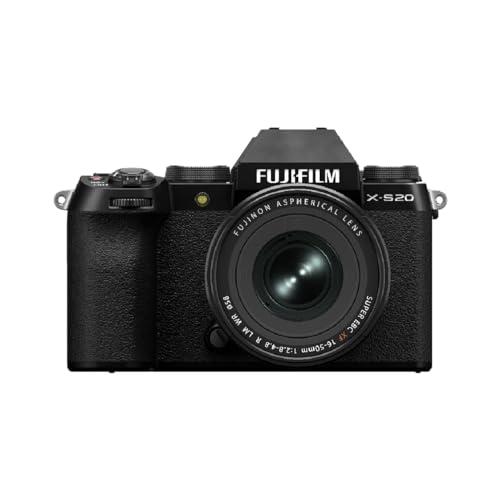
Fujifilm X-S20 26.1MP APS-C X-Trans Sensor|AI Deep Learning|...
|
|
Choosing the Ideal Camera for Stunning Food Photography
Mastering the art of food photography requires a camera that excels in detail, color, and versatility. Explore models designed to elevate your culinary images with sharpness and vibrant clarity.
1. Panasonic LUMIX FZ300 Rugged Digital Camera with Leica 24x Zoom and 4K Video
- 4K video & 4K photo: Panasonic’s exclusive 4K photo technology uses 30 frames per second in high...
- Leica DC Vario Elmarit Lens: 24x zoom (25 600 millimeter with Full zoom range F2; 8 aperture for...
- High image Quality: The 12.1 Megapixel high sensitivity MOS sensor with the venus engine excels in...
Capturing intricate details in vibrant settings demands more than just a camera with high megapixels. Delivering a bright F2.8 aperture throughout its impressive 24x zoom range, this Panasonic model ensures sharp, well-lit images even in challenging lighting. Equipped with a 12.1-megapixel high sensitivity MOS sensor and Venus Engine, it manages diffraction and preserves clarity where some cameras falter.
Crafted to withstand dust and splashes, the rugged body keeps up with outdoor shoots without hesitation. The Leica DC Vario-Elmarit lens stands out by meeting stringent quality standards, bringing authenticity and precision straight into your frame. Its built-in 5-axis hybrid optical image stabilization tackles hand shake, making handheld shots steady and reducing blur.
Benefit from the innovative 4K photo technology, which extracts high-resolution frames from ultra HD video at a rapid 30 fps, capturing fleeting moments with exceptional crispness and detail. Panasonic also enhances creative freedom through intuitive touchscreen controls and WiFi connectivity, allowing remote operation and seamless sharing.
The electronic viewfinder and articulating LCD screen expand framing possibilities, while fast contrast-detection autofocus ensures quick, reliable focus shifts, essential for dynamic food styling and tabletop compositions. With a range of exposure and white balance settings, colors remain accurate and inviting.
Panasonic delivers an all-in-one tool designed for those looking to elevate their culinary imagery without the hassle of changing lenses or complex setups.
Best for: Enthusiasts aiming to capture detailed, vibrant food presentations with reliable zoom and sharpness in various lighting situations.
Pros:
- Consistent F2.8 aperture across full 24x zoom range
- High-quality Leica lens ensuring precise color and sharpness
- 5-axis hybrid optical image stabilization for clear handheld shots
- Advanced 4K photo mode allowing burst capture at 30 fps
- Durable splashproof and dustproof body for versatile shooting environments
Cons:
- Sensor size and 12.1 MP resolution may limit extensive cropping
2. Canon EOS RP Mirrorless Camera with RF 24-105mm Lens for Versatile Photography
- Compact, Lightweight and High-Quality RF Lens with a Versatile Zoom Range of 24-105 millimeter
- Optical Image Stabilization at up to 5 stops of shake correction
- Maximum Magnification of 0.4x and Minimum Focusing Distance of 0.66 feet in Auto Focus.

Capturing delicious meals with professional clarity starts with a camera built for precision up close and versatility at a distance. The Canon EOS RP paired with its RF 24-105mm lens offers optical image stabilization rated up to 5 stops, ensuring your shots remain sharp even during handheld close-ups.
Boasting a full-frame 26.2 MP sensor, it excels in rendering vibrant colors and fine details, critical when highlighting textures and tones in culinary photography. Whether you’re framing a wide scene or zooming in, the lens’ broad focal length range handles both effortlessly.
The kit lens enhances macro photography with a maximum magnification of 0.5x and a minimum focus distance near 0.43 feet, letting you get intimately close to your subjects without sacrificing clarity. Smooth autofocusing powered by a leadscrew STM motor keeps subtle movements crisp and focused.
Compact and lightweight, this setup fits well in tight kitchen environments or on-location shoots. The convenient control ring prompts quick adjustments to settings like aperture or shutter speed, giving you responsive creative control without delays. Canon’s DIGIC 8 processor further boosts responsiveness and image quality throughout your sessions.
Best for: Food photographers craving a reliable, sharp, and compact system that thrives on detailed close-ups and flexible framing.
Pros:
- High-resolution full-frame sensor captures rich detail and color depth
- Versatile RF 24-105mm lens handles wide to medium telephoto focal lengths
- Effective image stabilization ensures blur-free results
- Close focusing capabilities ideal for macro culinary shots
- Compact and lightweight design eases handheld shooting and portability
Cons:
- Lens aperture range (F4-7.1) might limit low-light shooting options for some users
3. Sony RX100 III Premium Compact Digital Camera with ZEISS 24-70mm Lens and 20.1MP Sensor
- Digital Zoom - 5.8
- Video Capture Resolution - FHD 1080p
Capturing the vibrant details of your culinary creations becomes effortless with a camera engineered for precision and clarity. The Sony RX100 III features a large 1-inch BSI CMOS sensor that excels in handling low-light situations, ensuring your food shots pop with rich colors and texture even when natural light is limited.
Equipped with a fast ZEISS Vario-Sonnar T* 24-70mm F1.8-2.8 lens, this camera maintains a beautifully soft background defocus to highlight your dishes with a professional bokeh effect. The built-in optical image stabilization aids in delivering sharp shots without the blur usually caused by hand movement.
The compact form factors equip you with a tilting 3-inch LCD screen that swivels 180 degrees, perfect for composing overhead shots or tight angles common in food photography. Coupled with an eye-level pop-up electronic viewfinder, you gain versatile framing options for various culinary angles.
Sony’s BIONZ X processor powers quick autofocus across 25 points and rapid image processing, allowing you to seize fleeting moments of creativity with up to 10 frames per second continuous shooting. Additionally, wide ISO range access delivers vibrant images with minimal noise, vital for detail-rich food captures.
Connectivity features like Wi-Fi and NFC simplify sharing your art instantly to compatible devices, streamlining your workflow. The inclusion of multiple shooting modes including a dedicated gourmet setting lets you tailor images without complicated adjustments.
Best for: Enthusiasts and content creators seeking exceptional image quality in a compact, portable camera ideal for detailed and vibrant close-up food imagery.
Pros:
- High-quality ZEISS lens with a bright aperture for soft background blur
- Large 1-inch sensor for improved light sensitivity and low noise
- Multi-angle tilting LCD and pop-up viewfinder for flexible composition
- Fast autofocus and continuous shooting for capturing detailed moments
- Built-in Wi-Fi/NFC for seamless image sharing and remote control
Cons:
- The lens zoom range might be shorter than some users expect for varied focal lengths
- The delicate hinges on the tilting screen may require careful handling over time
4. Nikon Z50 II Mirrorless Camera Kit with Dual NIKKOR Lenses and Advanced Autofocus
- Go Beyond Your Phone: Capture lifelike colors and incredible details from dawn to dusk thanks to a...
- Find Your Aesthetic: At the press of the Picture Control button, choose from 31 built-in presets...
- Focus with Confidence: People, dogs, cats, birds and vehicles—the Z50II can automatically detect...
Capturing intricate food details and vibrant hues demands more than just any compact camera. Equipped with a 20.9-megapixel APS-C sensor, this Nikon mirrorless camera produces lifelike images with superior clarity, making every ingredient pop as if it were right in front of you.
Switching between 31 built-in Picture Control presets or crafting your own lets you fine-tune the color and mood of your shots instantly, fostering a unique visual style that highlights your culinary creations.
Autofocus traditionally struggles to lock onto still life with precision, but Nikon’s enhanced tracking system confidently keeps up with subtle movements and detail shifts, ensuring sharp focus on your subject’s textures and tones.
Light challenges often dampen appetizing shots, yet the integrated flash and intelligent Night Portrait mode provide balanced lighting indoors or at dusk, capturing every subtle shadow and highlight your dishes deserve.
Coupled with two high-performance zoom lenses, this kit allows you to easily frame wide overhead shots or narrow close-ups, making it adaptable to a variety of food photography styles and settings. The lightweight design balances portability with premium performance.
Whether you’re experimenting with creative angles or need to share vivid photos swiftly, the Nikon Z50 II ensures quality and ease every step of the way.
Best for: Enthusiasts and content creators craving a versatile, high-detail camera setup that excels at capturing rich, vibrant food imagery with professional flair.
Pros:
- Large APS-C sensor for detailed, vivid images
- Extensive Picture Control presets with cloud download support
- Advanced autofocus with subject tracking and special modes
- Dual optically-stabilized zoom lenses for versatile framing
- Built-in flash and night modes for balanced lighting
Cons:
- Battery life might require carrying extras for extended shoots
5. Fujifilm X-S20 Mirrorless Camera with 26.1MP APS-C Sensor & 16-50mm Lens Kit
- X-S20 allows for comfortable hand-held shooting even in dark conditions, perfect for those bouts of...
- It's battery capacity has increased by up to 750 frames and up to 240 mins longer continue shooting...
- X-S20 has advanced video performance in a compact, lightweight body, enabling you to create stunning...
Capturing mouth-watering images under varied lighting can reveal unexpected challenges. The Fujifilm X-S20 tackles those with a 5-axis in-body image stabilization system, offering up to 7 stops of correction to keep shots razor sharp even when shooting handheld or in dim settings.
Equipped with a 26.1MP APS-C sensor featuring the exclusive X-Trans CMOS 4 technology, this mirrorless camera minimizes moiré and false colors for crisp, true-to-life details and vibrant colors that make your food photography truly sing.
With increased battery life supporting up to 750 frames, you can shoot longer sessions without interruptions. The intuitive focus system smoothly shifts between faces and subjects, helping you nail that perfect focus on intricate plating or steaming textures, much like having a photography assistant at your side.
The lightweight body, complemented by a versatile 16-50mm zoom lens, makes framing tight close-ups or wider table settings comfortable and quick. Firmware integration allows direct uploading to cloud platforms, streamlining your post-production workflow and sharing process.
Fujifilm’s X-S20 balances performance and portability, offering a powerful tool for creators seeking high-resolution imagery, smooth handling, and advanced autofocus—all crucial when every angle and detail matters.
Best for: Food bloggers and content creators who demand sharp, vibrant visuals with reliable stabilization and flexible shooting ranges in compact gear.
Pros:
- Advanced 7-stop 5-axis image stabilization
- High-resolution 26.1MP APS-C X-Trans sensor
- Long-lasting battery for extended shooting
- Hybrid autofocus with 425 focus points for precision
- Lightweight body paired with versatile 16-50mm zoom lens
Cons:
- Lens aperture varies from f/2.8 to f/4.8, which might limit low-light depth for some users
- Relatively compact zoom range might require additional lenses for extreme close-ups
Quick Guide: Best Camera For Photographing Food Feature Analysis
| Camera Model | Sensor Resolution | Lens Aperture & Zoom | Image Stabilization | Video Recording |
|---|---|---|---|---|
| Panasonic LUMIX FZ300 | 12.1 MP 1/2.3-inch MOS sensor | Leica DC Vario Elmarit F2.8, 24x optical zoom | 5-Axis Hybrid Optical Image Stabilizer | 4K UHD 2160p video, 30 fps |
| Canon EOS RP + RF24-105mm | 26.2 MP Full Frame CMOS sensor | RF24-105mm F4-7.1, up to 5 stops IS | Digital image stabilization | 4K UHD 2160p video |
| Sony RX100 III | 20.1 MP 1-inch BSI CMOS sensor | ZEISS 24-70mm F1.8-2.8, 2.9x optical zoom | Optical image stabilization | Full HD 1080p video |
| Nikon Z50 II Kit | 20.9 MP DX APS-C sensor | NIKKOR Z DX 16-50mm f/3.5-6.3 & 50-250mm f/4.5-6.3 lenses | Lens-based VR (no IBIS) | 4K UHD 30p video |
| Fujifilm X-S20 + 16-50mm | 26.1 MP APS-C X-Trans CMOS sensor | 16-50mm Zoom, F2.8-4.8 aperture | Dual 5-axis in-body image stabilization (IBIS) | 6.2K 30p and 4K 60p video |
Choosing Your Camera: What Features Make Food Photos Pop?

Picking a camera tailored for food photography means balancing sensor quality, lens speed, and stabilization. Each feature influences clarity, color, and ease of shooting in different conditions.
Sensor Resolution and Size
Sensor resolution and size are key to how your camera captures detail and handles light. The resolution, measured in megapixels, determines how sharp and detailed your images will be. Meanwhile, sensor size affects the amount of light the camera can absorb, influencing image noise, especially in darker settings.
Larger sensors paired with higher megapixels, like the Canon EOS RP’s 26.2 MP full-frame sensor, offer crisp, vibrant photos with excellent texture and color reproduction. In contrast, smaller sensors such as the Panasonic LUMIX FZ300’s 12.1 MP 1/2.3-inch MOS sensor often struggle with noise and lose detail in low light.
Choosing the right sensor means fewer grainy images and more sharp, appealing food shots. This can make all the difference when aiming for mouth-watering, professional-quality photos that truly capture the essence of your dishes.
Lens Aperture and Zoom Range
Lens aperture controls the amount of light hitting the sensor, affecting both exposure and how much of your photo is in focus. A wide aperture, shown by a low f-number, helps create that dreamy background blur and sharp, clear subjects. For example, the Sony RX100 III features a F1.8-2.8 aperture, perfect for making your subject pop against a soft backdrop.
Zoom range lets you get creative with framing without moving around too much. The Panasonic LUMIX FZ300 shines here, offering a remarkable 24x optical zoom while maintaining a constant F2.8 aperture. This means you can capture crisp details from far away without sacrificing brightness.
Choosing lenses with a bright aperture and versatile zoom range means your shots will be more vibrant and flexible. You won’t be stuck with dull photos or limited framing options, giving you more creative freedom in your photography.
Image Stabilization
Image stabilization helps cut down blur from shaky hands, which is a big deal for handheld macro shots or dim lighting. The Fujifilm X-S20 features dual 5-axis in-body image stabilization (IBIS), tackling movement in multiple directions to keep shots crisp without needing a tripod.
On the other hand, cameras like the Nikon Z50 II that depend only on lens-based stabilization don’t cover as much ground. This means images can turn out soft, especially when shooting close or with slower shutter speeds.
Using a camera with robust image stabilization means fewer blurry shots and sharper food photos that really pop, making your images way more appealing and professional-looking.
Color Accuracy and Picture Profiles
Color accuracy plays a key role in food photography, as even small variations can make a dish look less appetizing. Many cameras offer a variety of picture profiles to adjust color tones and saturation, helping to capture the true essence of the food.
For example, the Nikon Z50 II provides 31 built-in Picture Control presets, letting photographers switch easily between different color styles or create their own custom profiles. Meanwhile, Fujifilm’s X-S20 uses its X-Trans CMOS 4 sensor to minimize color artifacts and moiré, resulting in clearer, more natural images.
Using these tools effectively ensures your photos convey the freshness and appeal of the dish. Skipping this step can cause colors to look off, which diminishes the overall impact and can leave viewers unimpressed.
Video Capability for Food Content Creators
Video quality plays a big role when sharing recipes or behind-the-scenes kitchen moments. The Fujifilm X-S20 stands out with its ability to shoot 6.2K 30p and 4K 60p video, delivering crisp footage that captures every detail and movement.
Many other cameras, like the Sony RX100 III, only record up to Full HD 1080p. While this may work for casual clips, it doesn’t provide the same level of sharpness or fluidity needed to really highlight food textures and cooking techniques.
Choosing a camera with advanced video features opens up more creative possibilities and helps food creators reach wider audiences across various platforms with professional-quality content.
Frequently Asked Questions
Which sensor size is best for food photography?
Larger sensors such as full-frame or APS-C capture more light and detail, making them ideal for food photography. This helps render textures sharply and reduces noise in low-light conditions. For example, the Canon EOS RP’s full-frame 26.2 MP sensor excels in these aspects.
Smaller sensors like 1/2.3-inch types struggle more with noise and less dynamic range, affecting image quality when lighting isn’t optimal.
Choosing a camera with at least an APS-C sensor can drastically improve image sharpness and color fidelity in food shots.
How important is lens aperture when photographing food?
A wide aperture is key to controlling depth of field and achieving creamy background blur that highlights the dish. The Sony RX100 III’s F1.8-2.8 lens allows for sharp focus on the subject while softening the background effectively.
Narrow apertures limit light intake and increase depth of field, which may make backgrounds distracting or flatten textures.
Selecting a camera with a lens that maintains wide apertures across zoom ranges improves photo aesthetics and versatility.
Does image stabilization really affect food photos?
Image stabilization helps reduce blur from small hand movements, which is crucial for close-up food shots. The Fujifilm X-S20 features dual 5-axis IBIS that significantly enhances image sharpness.
Without strong stabilization, photos can turn out soft or unusable, especially when capturing delicate food textures without support like a tripod.
Choosing a camera with effective stabilization ensures clearer, more detailed food images, particularly in low light or handheld situations. This feature can make a big difference in your food photography results.
Can I use a compact camera for professional food photography?
Compact cameras, such as the Sony RX100 III, are prized for their portability and convenient size. They feature decent sensor sizes that can deliver high-quality food photos when you’re on the move or shooting casual projects.
These cameras often have smaller sensors and fewer lens options than mirrorless or DSLR cameras. This can limit your ability to control depth of field and achieve the precise image quality needed in tricky lighting or highly detailed shots.
If capturing professional-level detail and creative flexibility matters most, a mirrorless camera is usually the better choice for food photography.
What video features should I look for in a food photography camera?
High-resolution video such as 4K or even 6K at high frame rates provides crisp detail and smooth motion, useful for cooking tutorials or product showcases. The Fujifilm X-S20 stands out with 6.2K 30p and 4K 60p recording.
Lower resolutions like Full HD may suffice for casual clips but limit quality when viewed on larger screens or social media.
Opting for a camera with advanced video capabilities ensures your food content looks professional across platforms.
Finding the Perfect Camera for Food Photography
Food photography demands a blend of sharp detail, vibrant colors, and steady shots to bring dishes to life. Choosing a camera that meets these needs closes the gap between dull images and mouth-watering visuals. Optical quality, sensor size, and stabilization all play pivotal roles in this transformation.
For those prioritizing portability and quick shoots, compact options like the Sony RX100 III shine, while mirrorless models like the Canon EOS RP or Fujifilm X-S20 offer greater versatility and image quality for serious enthusiasts. The Nikon Z50 II suits photographers wanting customizable color profiles.
Pay attention to lens speed, sensor capabilities, and image stabilization when making your choice. Avoid mismatched gear that compromises sharpness or color. Proper handling and preheating your lighting setup can further enhance shot quality to showcase your culinary art flawlessly.
Last update on 2026-10-17 / Affiliate links / Images from Amazon Product Advertising API