
Does Sesame Oil Go Bad: Easy Storage Tips to Keep It Fresh
Yes, sesame oil does go bad over time as oxidation degrades its aroma, flavor, and nutritional quality.
Unopened plain sesame oil lasts up to six months beyond its best-by date when stored cool and dark. Once opened, it keeps about nine months at room temperature.
Toasted sesame oil spoils faster, lasting only four to six months opened at room temperature due to higher oxidation rates.
Proper storage and refrigeration slow this process. You can explore how storage, oil type, and spoilage signs affect longevity.
Key Takeaways
- Sesame oil can go bad as it gradually oxidizes, causing changes in smell, taste, and appearance rather than sudden spoilage.
- Opened plain sesame oil lasts about nine months at room temperature, while toasted sesame oil lasts 4–6 months due to faster oxidation.
- Refrigeration extends plain sesame oil shelf life up to 12 months and toasted sesame oil up to nine months after opening.
- Exposure to light, air, and heat accelerates sesame oil rancidity; storing in dark, sealed bottles in cool places slows degradation.
- Rancid sesame oil smells sharp, sour, or paint-like, tastes bitter or off, and may darken or remain cloudy after warming.
How Long Sesame Oil Retains Quality Unopened and After Opening?
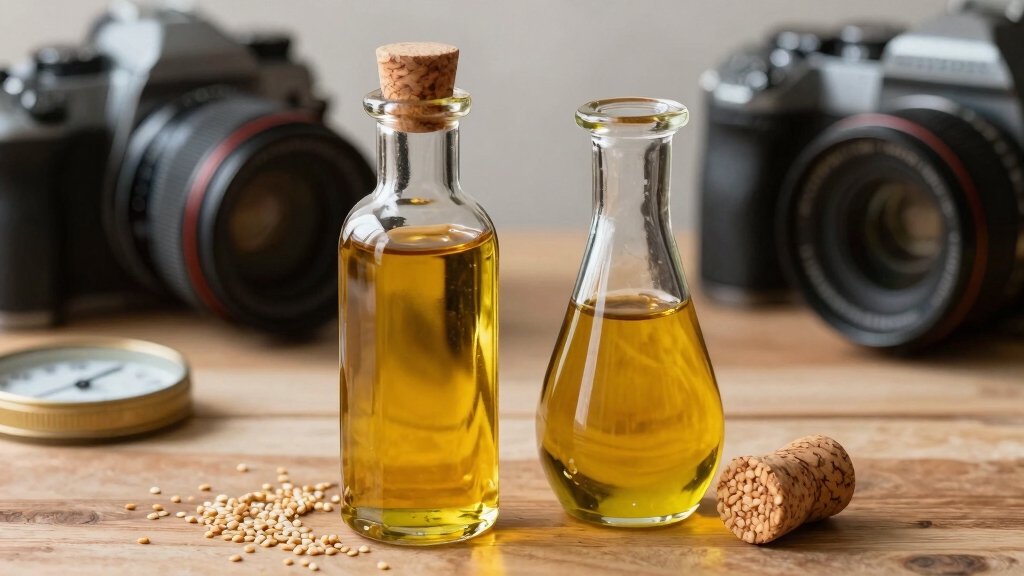
Although sesame oil varies by type and storage, unopened bottles generally retain their quality up to six months beyond the best-by date when kept in a cool, dark place.
Unopened sesame oil stays fresh up to six months past the best-by date if stored cool and dark.
Once opened, plain sesame oil typically maintains its quality for about nine months at room temperature.
Toasted sesame oil’s shelf life shortens to four to six months due to its increased susceptibility to oxidation.
Refrigeration can extend these periods, but that’s covered elsewhere.
You should consider that the oil’s initial quality, refinement level, and exposure to air affect longevity.
High-quality, cold-pressed oils tend to last longer, while refined or additive-containing oils degrade faster.
Monitoring the oil’s smell, taste, and appearance helps detect decline, as quality diminishes gradually rather than instantly spoiling.
Many finishing oils, like cold-pressed extra virgin truffle oils, are best used as drizzles to preserve their aroma and avoid heat-driven degradation.
What Storage Conditions Keep Sesame Oil Fresh Longer?
To keep your sesame oil fresh for a longer time, it’s best to store it in a cool spot, away from any heat sources.
Ideally, you want to keep it below room temperature. This helps slow down oxidation, which can make the oil go bad quicker.
Also, using a dark-colored glass bottle is a smart move. It protects the oil from light, which can speed up rancidity.
Make sure the bottle has a tight seal, too! This limits exposure to air, which is another factor that can degrade the quality of your oil.
Choose oils with higher antioxidant levels, as these phenolic compounds help slow oxidation and prolong shelf life.
Ideal Temperature Settings
When you store sesame oil at cooler temperatures, you markedly slow its oxidation process. This helps preserve freshness and quality for a longer period.
Refrigeration extends the shelf life of plain sesame oil up to one year after opening and toasted sesame oil up to nine months, compared to shorter durations at room temperature. Though refrigeration may cause cloudiness or solidification, this is reversible by returning the oil to room temperature without quality loss.
Keeping sesame oil away from heat sources like stoves is essential, as elevated temperatures accelerate rancidity. While sesame oil’s high smoke point guarantees stability during cooking, storage temperature critically influences its oxidative stability.
Consequently, consistently maintaining cool storage conditions optimizes sesame oil longevity and preserves its sensory and nutritional properties effectively. Many culinary oils, such as avocado oil, also offer high smoke point performance and benefit from cool storage.
Light and Air Exposure
Because light and air accelerate sesame oil’s oxidation, controlling exposure to both is essential for maintaining its freshness and extending shelf life. When sesame oil encounters light and oxygen, free radicals form, causing rancidity and off-flavors. To minimize this, store sesame oil in a way that limits these factors.
To keep your sesame oil fresh longer, follow these storage tips:
Store in a cool, dark place away from direct sunlight and heat sources.
Use a tightly sealed container to reduce oxygen contact.
Avoid leaving the bottle open or uncapped for extended periods.
Keep the oil away from kitchen heat like stoves or ovens to slow oxidative reactions.
Implementing these measures slows oxidation, preserving flavor and quality for months beyond the best-by date. Refrigeration or freezing in airtight containers can further extend shelf life and slow rancidity storage best practices.
Bottle Type and Seal
Choosing the right bottle type and ensuring a secure seal play critical roles in preserving sesame oil’s freshness and extending its shelf life.
You should store sesame oil in a dark-colored glass bottle that effectively blocks light, minimizing photo-oxidation.
Plastic containers often allow more oxygen permeation, accelerating rancidity. A tight-fitting cap or screw-top prevents air ingress, reducing oxidative degradation.
After each use, seal the bottle promptly to limit exposure to oxygen and contaminants.
Avoid bottles with loose or damaged closures, as they compromise the oil’s integrity.
Proper sealing combined with a cool, dark storage environment slows oxidation, maintaining quality up to 12 months refrigerated.
This approach leverages evidence showing that limiting light and air exposure markedly extends the oil’s stability and sensory properties over time.
For longer-term storage of oils and other foods, consider using oxygen absorbers to reduce residual oxygen in sealed containers.
How Refrigeration Affects Sesame Oil Shelf Life and Quality?
Although refrigeration isn’t strictly necessary for sesame oil, it markedly extends its shelf life and preserves quality after opening. When refrigerated, plain sesame oil maintains its quality up to 12 months, compared to 9 months at room temperature.
Refrigeration slows oxidation, the primary cause of rancidity, thereby preserving flavor and nutritional value. Note that cold storage can cause cloudiness or solidification, which reverses at room temperature without affecting quality.
Key refrigeration effects include:
- Extends opened plain sesame oil shelf life from 9 months to 12 months
- Slows oxidative degradation and rancidity development
- Causes temporary cloudiness or solidification reversible by warming
- Preserves sensory qualities (aroma, taste) longer than pantry storage
Refrigeration offers a practical method to maximize sesame oil’s freshness and safety. Regular cleaning and proper storage practices, such as keeping containers sealed and away from heat sources, also help prevent quality loss and are similar to maintenance steps recommended for kitchen appliances like dehydrators with vent maintenance.
How Does Toasted Sesame Oil’s Shelf Life Compare to Plain Sesame Oil?
Toasted sesame oil usually has a shorter shelf life than plain sesame oil. When you open a bottle of toasted sesame oil, you can expect it to last about 4 to 6 months at room temperature. In contrast, plain sesame oil can stick around for about 9 months.
Now, if you pop both oils in the fridge, you can extend their longevity. But here’s the catch: toasted sesame oil still maxes out at around 9 months, while plain sesame oil can last up to a whole year. Flash-freezing and proper storage techniques help preserve quality, so storing oils in a cool, airtight place can slow degradation and rancidity over time, especially compared with poor storage that accelerates off-flavors and spoilage in perishable foods.
Shelf Life Duration Differences
When comparing shelf lives, toasted sesame oil generally has a shorter duration than plain sesame oil due to its exposure to heat during processing. This accelerates oxidation, reducing its stability and causing faster quality degradation once opened.
You’ll notice significant differences in their shelf life both unopened and after opening. Unopened plain sesame oil lasts up to 6 months beyond the best-by date. Opened plain sesame oil maintains quality for about 9 months at room temperature.
Opened toasted sesame oil typically lasts 4 to 6 months in the pantry. Toasted sesame oil’s oxidation rate is higher, shortening its effective use period.
Proper storage—such as keeping oils sealed and away from heat and light—can help extend freshness and slow oxidation, especially for toasted sesame oil.
Refrigeration Impact Comparison
Building on the differences in shelf life between toasted and plain sesame oils at room temperature, refrigeration further influences their longevity in distinct ways. Refrigeration slows oxidation, extending plain sesame oil’s quality up to 12 months after opening.
Toasted sesame oil, more prone to flavor degradation, lasts 4-6 months refrigerated, occasionally reaching 9 months. Refrigeration may cause cloudiness or solidification, reversible at room temperature, without affecting safety.
You’ll notice plain oil benefits more from refrigeration than toasted. Roasting and flavor concentration in toasted oils make them more flavor‑sensitive to storage conditions, which is why their aromatic quality declines faster even when refrigerated.
| Oil Type | Pantry Shelf Life (Opened) | Refrigerated Shelf Life | Common Changes in Fridge | Oxidation Rate |
|---|---|---|---|---|
| Plain Sesame Oil | 9 months | 12 months | Cloudiness/solidification | Slowed |
| Toasted Sesame Oil | 4-6 months | 4-6 months (up to 9) | Cloudiness/solidification | Moderately slowed |
Storage Recommendations Variance
Although both toasted and plain sesame oils require similar storage conditions to preserve quality, their shelf lives differ markedly due to variations in composition and flavor stability.
Toasted sesame oil contains compounds from roasting that can oxidize faster, reducing its shelf life compared to plain sesame oil. You should store both oils in cool, dark places with tightly sealed dark glass bottles, but note the distinctions in longevity.
Opened plain sesame oil lasts about 9 months in the pantry; toasted lasts 4-6 months.
Refrigeration extends plain sesame oil’s quality up to 12 months; toasted oil’s up to 9 months.
Toasted oil’s intense flavor compounds degrade faster when exposed to air. Both oils resist heat well but avoid direct sunlight or heat sources to minimize rancidity.
Understanding these differences helps you optimize storage and maintain oil quality. Silicone’s low thermal conductivity and high heat resistance make it a better choice than nylon for utensils used when handling and storing oils near hot surfaces.
How to Tell If Your Sesame Oil Has Gone Bad?
Frequently, you can determine if your sesame oil has gone bad by carefully evaluating its smell, taste, and appearance.
Rancid sesame oil develops a sharp, unpleasant odor distinct from its typical nutty aroma. If it smells sour or paint-like, discard it.
Rancid sesame oil emits a sharp, sour, or paint-like odor, signaling it’s time to discard it.
Taste a small amount; a bitter or off-flavor indicates spoilage.
Visually, fresh sesame oil is clear or slightly cloudy, depending on refrigeration. Persistent cloudiness or sediment not reversed at room temperature signals degradation.
Also, check for color changes. Darkening beyond its original hue suggests oxidation.
Note that refrigeration can cause temporary cloudiness or solidification, which is reversible and not a spoilage sign.
Regularly inspecting these sensory indicators guarantees you avoid using expired oil that compromises flavor and safety.
How Quality and Refinement Impact Sesame Oil Longevity?
Beyond identifying spoilage through sensory cues, understanding the factors that influence sesame oil’s longevity can help you better manage its shelf life.
The quality and refinement level directly affect how long your sesame oil remains stable and flavorful.
Consider these key points:
High-quality, cold-pressed oils possess more antioxidants, extending shelf life up to 1–2 years.
Refined oils undergo processing that reduces natural antioxidants, shortening longevity.
Additive-containing oils may degrade faster due to added compounds.
Toasted sesame oil oxidizes quicker than plain oil due to roasting-induced changes, lasting 4–6 months opened.
Frequently Asked Questions
Can Sesame Oil Be Used Safely Past Its Best-By Date?
You can safely use sesame oil past its best-by date if it’s stored properly and shows no signs of spoilage.
Check for off odors, rancid flavors, or visual changes before use.
Unopened bottles often remain good for months beyond the date, especially if kept cool and dark.
After opening, refrigeration extends shelf life and slows oxidation.
If it smells or tastes off, discard it to avoid health risks.
Does Sesame Oil Lose Nutritional Benefits Over Time?
Yes, sesame oil loses nutritional benefits over time due to oxidation, which degrades its antioxidants and essential fatty acids.
If you store it improperly, exposed to heat, light, or air, the decline accelerates, reducing its health properties.
Refrigeration slows this process, preserving nutrients longer.
To maximize benefits, keep sesame oil tightly sealed in a cool, dark place and use it within recommended timeframes, especially after opening.
Is Sesame Oil Safe for High-Heat Cooking After Long Storage?
You know what they say: “If it ain’t broke, don’t fix it.”
Sesame oil, especially plain, maintains its high smoke point after long storage, making it safe for high-heat cooking. Properly stored, cool, dark, and sealed, it resists oxidation, preserving heat stability.
Refrigeration might cloud it, but that reverses. Just check for rancid smell or off taste; if none, you can confidently use it for stir-frying or frying even after months of storage.
What Are Common Additives in Refined Sesame Oils?
Refined sesame oils commonly contain additives like antioxidants (e.g., TBHQ, BHT) to prevent oxidation and extend shelf life.
You might also find bleaching agents to improve color and deodorizing compounds to neutralize strong flavors.
Sometimes, anti-foaming agents are added to enhance processing.
These additives help maintain stability but can shorten shelf life compared to pure, cold-pressed oils.
Always check labels to understand what’s included in your refined sesame oil.
How Does Light Exposure Specifically Affect Sesame Oil Flavor?
Light exposure accelerates oxidation in sesame oil, breaking down its fatty acids and causing rancidity. You’ll notice flavor degradation as the oil develops off-odors and a bitter, stale taste.
This photodegradation reduces the oil’s aromatic compounds, especially in toasted sesame oil, diminishing its characteristic nutty flavor. To preserve flavor integrity, you should store sesame oil in dark-colored, airtight containers away from direct sunlight and heat sources.
Simple Storage Habits That Protect Sesame Oil Quality
You can keep sesame oil fresh by storing it in a cool, dark place. Refrigerate it once opened to slow oxidation and rancidity.
Toasted sesame oil, rich in antioxidants, generally lasts longer than plain oil. Look for changes like cloudiness, off-smells, or bitterness; these are clear signs it’s gone bad.
By understanding how quality and refinement affect shelf life, you’ll confidently preserve sesame oil’s nutty aroma and full flavor. This ensures prime culinary results every time.