
Alfredo Sauce Recipe With Sour Cream: Easy Steps
You can create a creamy Alfredo sauce with sour cream by melting butter and gently sautéing garlic.
Then whisk in cream and sour cream for tangy richness. Gradually add grated Parmesan off heat to avoid curdling, stirring constantly until smooth.
This sauce clings beautifully to pasta like linguine or penne. You can customize it with herbs or spices for extra flavor.
Keep it silky by mastering these simple techniques and find out how to perfect storage and reheating for lasting taste.
Key Takeaways
- Melt butter and sauté garlic, then whisk in flour to form a roux before gradually adding cream and sour cream for a smooth base.
- Remove sauce from heat before adding freshly grated Parmesan cheese gradually to avoid curdling and ensure creamy texture.
- Incorporate full-fat sour cream to add tangy creaminess and enhance flavor complexity in the Alfredo sauce.
- Customize with herbs, spices, or additional cheeses like Asiago or Pecorino Romano for varied taste profiles.
- Toss cooked pasta with sauce, adding reserved pasta water if needed to adjust thickness and maintain sauce silkiness.
Easy Alfredo Sauce With Sour Cream: Recipe Breakdown
| Ingredients / Tools | Steps / Actions |
|---|---|
| 2 tbsp unsalted butter | Melt butter over medium-low heat until smooth. |
| 2–3 cloves minced garlic | Sauté garlic for 30–60 seconds without browning. |
| 2 tbsp all-purpose flour | Whisk in flour to create a smooth roux. |
| 1 cup heavy cream or half-and-half | Slowly pour in cream while whisking to avoid lumps. |
| ½ cup full-fat sour cream | Add sour cream and stir until fully blended. |
| ¾–1 cup freshly grated Parmesan | Remove pan from heat; add cheese gradually until creamy. |
| Salt & black pepper | Season to taste and adjust flavor. |
| Optional herbs (parsley, basil) | Stir in herbs for color and freshness. |
| Reserved pasta water | Add in small amounts to adjust texture and silkiness. |
| Stainless steel saucepan & whisk | Use even heat and constant whisking for best results. |
| Cooked pasta (fettuccine, linguine, penne) | Toss with finished sauce and serve immediately. |
Ingredients Needed for Alfredo Sauce With Sour Cream
To create a luscious Alfredo sauce with sour cream, you’ll need a blend of rich dairy ingredients and smart flavor enhancers that bring the sauce to life.
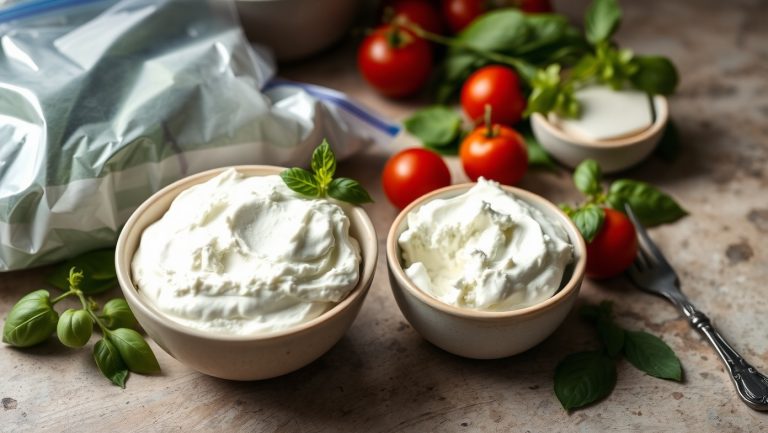
Start with unsalted butter for a smooth, rich base, and full-fat sour cream to add creamy tanginess.
Begin with unsalted butter for richness, then blend in full-fat sour cream for a creamy, tangy twist.
Heavy cream or half-and-half boosts the luscious texture, while freshly grated Parmesan cheese melts perfectly, offering that classic cheesy depth.
For extra flavor, Asiago cheese can be included.
To thicken, rely on a roux made from butter and all-purpose flour or use cornstarch for a lighter touch. This method creates a thick and creamy alternative to traditional Alfredo sauce.
Garlic, salt, and black pepper are essential seasonings, with Italian herbs like parsley adding aromatic complexity.
A pinch of nutmeg or red pepper flakes can elevate the taste subtly.
These ingredients combine perfectly to make your Alfredo sauce unforgettable.
Step-by-Step Preparation Guide
Now that you’ve gathered all the rich ingredients for your Alfredo sauce with sour cream, it’s time to bring them together step by step. Start by melting butter and sautéing garlic gently to release its aroma without browning. Use all ingredients prepared beforehand for a smoother cooking process. Proper preparation and cleaning of your tools can enhance the overall cooking experience and safety by maintaining kitchen efficiency.
Then, whisk in flour to create a smooth roux before gradually adding cream, stirring until it thickens.
| Step | Action | Tip |
|---|---|---|
| Butter & Garlic | Melt butter, sauté garlic 30-60s | Stir constantly, avoid browning |
| Roux & Cream | Whisk flour, add cream slowly | Cook roux briefly to remove taste |
| Sour Cream & Cheese | Blend in sour cream and cheeses | Remove from heat, stir well |
Finish by seasoning, adjusting consistency, and tossing with pasta. Serve immediately for best flavor. This sauce can be quickly prepared within a 30-minute meal timeframe, making it an excellent choice for a delicious homemade dinner.
Tips for Achieving the Perfect Sauce Texture
To whip up that silky Alfredo sauce, let’s start by making a smooth roux over gentle heat. This is really key because it sets up a nice base for your sauce. Just like maintaining a fine tool, paying attention to regular inspection helps keep everything in top shape.
Now, when it comes to adding the cheese, take your time and do it gradually, and remember to do this off the heat. This way, the cheese melts evenly, and you avoid any clumping.
Also, to achieve a rich and velvety texture, consider adding a few ladles of reserved pasta water, which helps thicken the sauce naturally by leveraging its starch content.
Trust me, keeping an eye on the temperature throughout the process will make all the difference, ensuring your sauce stays velvety and perfectly textured.
Smooth Roux Preparation
Although preparing a smooth roux might seem tricky at first, mastering the balance between melted fat and gradually whisked flour will set you up for sauce success.
Start with equal parts melted butter and flour, adding the flour slowly while whisking continuously in a figure-8 motion to prevent lumps. Using a heavy-bottomed pan helps maintain even heat distribution essential for consistent cooking.
Cook the roux until it’s smooth and the raw flour taste disappears, about 1 to 2 minutes for a white roux.
Use a heavy-bottomed pan and a whisk to ensure even heat and proper mixing.
When adding liquid later, do it gradually, whisking constantly to maintain that silky texture. Be sure to add the liquid in thirds and use hot liquid to help prevent lumps and ensure a smooth consistency add liquids gradually.
This careful preparation creates the perfect base for your Alfredo sauce, ensuring it’s creamy and lump-free every time.
Gentle Heat Control
Mastering a smooth roux lays the groundwork, but controlling the heat gently is what truly keeps your Alfredo sauce creamy and cohesive. High heat can cause the sauce to break, separating water and fat, which leads to an oily, clumpy mess. Using consistent low heat is similar to how dehydrators operate to preserve texture and prevent damage from excessive heat.
To maintain that perfect texture, you need slow, steady warming and constant attention. Here’s how to do it right:
- Use low simmer heat; avoid boiling to keep the emulsion intact. Even prolonged simmering on low heat can cause the sauce to break, so timing is just as important as temperature control to preserve the emulsion stability.
- Stir constantly to evenly distribute heat and prevent scorching, much like how electric smokers use thermostats to maintain consistent cooking temperatures.
- Heat the sauce just until it thickens, then remove from heat immediately.
- When reheating, consider gentle methods like a double boiler or low oven temperature.
Gradual Cheese Incorporation
When you add cheese gradually to your Alfredo sauce, you give it the best chance to melt smoothly and blend perfectly with the other ingredients. Start by removing the pan from direct heat to avoid overheating, which can make cheese proteins seize and cause graininess. Use freshly grated Parmigiano-Reggiano at room temperature for superior emulsification and sprinkle it in small amounts.
Whisk vigorously as you add cheese to prevent clumping and encourage even melting. The residual warmth from butter and pasta helps the cheese melt gently, preserving a silky texture. Proper temperature control is key to maintaining the sauce’s creamy consistency. Remember to toss in reserved starchy pasta water gradually, enhancing sauce stability and creaminess. Using high-quality blocks of cheese and shredding them at home can significantly improve the sauce’s creaminess and melt. Patience here ensures a velvety, luscious sauce that clings beautifully to your pasta.
Variations to Customize Your Alfredo Sauce
If you want to make your Alfredo sauce uniquely yours, experimenting with various herbs, cheeses, and seasonings can elevate its flavor and texture. Customizing your sauce allows you to tailor it perfectly to your taste.
- Herbs and Greens: Stir in chopped basil for freshness, parsley for color, or wilt spinach for added nutrients. Using an oven with adjustable rack positions can help you bake accompanying dishes while preparing your sauce.
- Cheese Variations: Swap Parmesan for sharp Pecorino Romano or creamy Gorgonzola to change the flavor profile.
- Spices and Seasonings: Add nutmeg for warmth, black pepper for mild heat, or red pepper flakes for a spicy kick. Incorporating spices like paprika or herbs such as chives can further enhance the sauce’s complexity.
- Vegetable Add-Ins: Mix in sun-dried tomatoes, roasted peppers, or mushrooms to introduce new textures and tastes. Sour cream acts as a flavor booster that can highlight these ingredients beautifully.
Nutritional Information and Health Considerations
Although Alfredo sauce delights your taste buds with its creamy richness, it’s important to understand its nutritional profile before indulging. A typical serving packs 95 to 130 calories, with 7 to 10 grams of total fat, including up to 6 grams of saturated fat. This product is also available in a dairy-free version made from non-dairy ingredients with black pepper and cayenne, suitable for vegan and keto diets.
It also contains 2 to 8 grams of protein and minimal carbs. Be mindful of sodium; it can hit 320 to 739 mg per serving, which is a significant chunk of your daily limit. Calcium varies but can contribute up to 20% of your daily value.
If you’re watching cholesterol or heart health, moderation is key since Alfredo sauce is rich in saturated fat and cholesterol. To enjoy it healthier, try substituting heavy cream with low-fat dairy or plant-based options. Balance your meal with fiber-rich vegetables.
Recommended Cooking Tools and Equipment
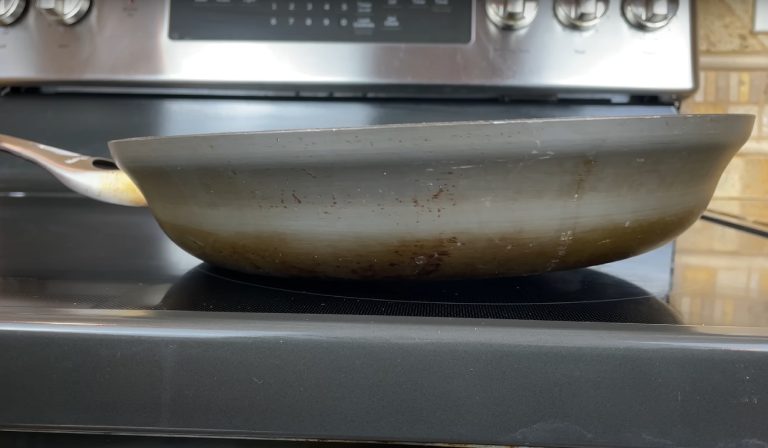
To whip up the perfect Alfredo sauce, you’ll definitely want a sturdy, fully clad stainless steel saucepan. It heats evenly and resists scratching, which is super important when you’re cooking. Trust me, you don’t want to deal with a pan that doesn’t do its job right!
And let’s not forget about a good whisk. It’s essential for blending all those ingredients smoothly. You really want that sauce to come together nicely. Having durable whisks that can withstand high temperatures will help maintain the sauce’s consistency without damage. Also, ensuring your cooking area is well-prepared and organized can make the process much smoother.
Plus, having some sturdy utensils on hand, like a heavy-duty ladle and a metal bench scraper, makes stirring and serving a breeze. Using the right tools helps prevent accidental damage and keeps everything running efficiently.
Choosing the right tools is key! It ensures that your sauce has that silky texture and rich flavor every single time. So, gather your gear and get ready to impress with your Alfredo sauce! Proper preparation and installation techniques in your kitchen setup contribute greatly to a successful cooking experience.
Essential Saucepan Types
When you prepare Alfredo sauce, choosing the right saucepan can make a significant difference in your cooking experience and the final flavor. You’ll want a pan that heats evenly and resists sticking to keep your sauce smooth and creamy.
Here are four essential types to contemplate:
- Stainless Steel Saucepan – Durable and corrosion-resistant, it offers even heating for consistent simmering. Its multi-layer construction often includes aluminum or copper cores to ensure even heat transfer. Selecting cookware with good heat retention also helps maintain a stable cooking temperature.
- Enameled Cast Iron – Retains heat well and resists sticking, perfect for slow-cooking acidic sauces like Alfredo with sour cream. This type of pan is also energy efficient, reducing cooking time and energy consumption.
- Copper Saucepan – Provides excellent heat control but needs regular polishing to maintain performance. Its responsiveness makes it ideal for precise temperature adjustments during sauce preparation.
- Nonstick Saucepan – Simplifies cleanup and prevents sticking but avoid high heat to protect the coating. Using energy-efficient cookware can contribute to overall kitchen energy savings.
Choose a 3-quart size for versatile batch control and look for tall, straight sides with a heavy bottom to ensure even cooking.
Best Whisks and Utensils
Selecting the right saucepan sets the stage for a perfect Alfredo sauce, but the tools you use to stir and blend play an equally important role in achieving that velvety texture.
Opt for a French whisk with stainless steel wires; its narrow shape excels at emulsifying sour cream smoothly without incorporating too much air. High-quality stainless steel ensures rust resistance and maintains shape during vigorous mixing.
Pair it with a silicone spatula to gently scrape every bit of sauce from your pan without scratching surfaces. Look for spatulas made of BPA-free silicone to ensure food safety and heat resistance during cooking.
A wooden spoon works well for thicker bases, offering gentle stirring without altering flavors.
Don’t forget measuring spoons for precision—Alfredo sauce demands balanced ingredients.
Choose utensils with ergonomic, heat-resistant handles for comfort and durability.
These thoughtful tools ensure you craft a luscious, creamy Alfredo sauce every time, making your cooking both efficient and enjoyable.
Serving Suggestions and Pairing Ideas
Although Alfredo sauce shines best paired with classic fettuccine, you can elevate your meal by experimenting with various pastas, proteins, and sides that complement its creamy richness.
Try swapping fettuccine for penne or zucchini noodles to change textures and lighten the dish. Adding grilled chicken or shrimp introduces savory, tender protein that contrasts beautifully with the sauce’s smoothness. For a healthy substitution, consider zucchini noodles that maintain texture without excess carbs. To enhance your kitchen experience while preparing these dishes, consider the benefits of noise reduction technology in your kitchen sink area.
Pair your pasta with roasted vegetables or a crisp green salad to balance richness with freshness. Don’t forget warm garlic bread to soak up every luscious drop.
- Toss Alfredo with linguine or spiralized veggies for textural variety.
- Add grilled chicken or scallops for a protein boost.
- Serve alongside roasted asparagus or a peppery arugula salad.
- Include crusty garlic bread or cheesy breadsticks to complete the meal.
How to Store and Reheat Alfredo Sauce?
To keep your Alfredo sauce fresh and flavorful, you’ll want to store it properly right after it cools. Transfer the sauce into airtight containers, dividing it into smaller portions to cool faster. This helps prevent bacterial growth and keeps the sauce safe to eat within the recommended 3-4 days in the fridge.
Refrigerate immediately, label with the date, and keep it away from strong-smelling foods to prevent flavor absorption. Homemade sauce lasts 3–5 days in the fridge, while store-bought varieties vary from 3 to 14 days once opened.
When reheating, warm the sauce gently on the stovetop over low heat, stirring constantly to avoid curdling. Add a splash of milk or cream to maintain creaminess, whisking vigorously after heating to restore smoothness.
Avoid boiling or reheating multiple times to prevent separation. You can freeze sauce for up to 3–4 months, thawing overnight in the fridge before use.
Troubleshooting Common Sauce Issues
Storing and reheating Alfredo sauce properly helps preserve its creamy texture, but sometimes issues still pop up during cooking. When your sauce turns thin, try adding more Parmesan cheese first before using starch thickeners, as grated cheese is the best natural thickener.
Curdling usually happens from overheating, so reduce the heat and heat gradually. If you notice lumps or a grainy texture, it’s likely from improper starch or cheese incorporation. Adjust your technique accordingly.
Overcooking also risks sauce separation, so remove it from heat once thickened just right.
- Add cheese gradually off heat to prevent curdling.
- Use moderate heat and continuous whisking for stability.
- Avoid excessive starch to prevent graininess.
- Stir in starchy pasta water gently for natural thickening.
Mastering these tips ensures your Alfredo sauce stays luxuriously smooth.
Frequently Asked Questions
Can Alfredo Sauce With Sour Cream Be Frozen for Later Use?
Yes, you can freeze Alfredo sauce with sour cream for later use. Just cool it completely, then store it in airtight containers to prevent freezer burn.
When you’re ready, thaw it overnight in the fridge and reheat gently while whisking to restore creaminess. Keep in mind the texture might change slightly, but with careful reheating and stirring, you’ll still enjoy a delicious, creamy sauce whenever you want.
What Type of Pasta Pairs Best With Sour Cream Alfredo Sauce?
You’ll find that broad, flat noodles like fettuccine, tagliatelle, or pappardelle pair best with sour cream Alfredo sauce because they hold the creamy tang perfectly.
If you want texture, try ridged pastas like mostaccioli rigate or twisted shapes like fusilli. They trap the slightly thinner sauce beautifully.
For added mix-ins, tubular pastas are ideal since they cradle both sauce and ingredients, giving you a balanced, flavorful bite every time.
Is Sour Cream Alfredo Sauce Suitable for Lactose-Intolerant Individuals?
Sour cream Alfredo sauce isn’t usually suitable if you’re lactose intolerant, especially if you’re sensitive.
It contains lactose from sour cream, cheese, and cream, which can trigger symptoms.
However, if your intolerance is mild, you might handle small portions or use lactase supplements.
For a safer option, try lactose-free sour cream or dairy-free alternatives like coconut-based sour cream.
That way, you can enjoy creamy Alfredo without discomfort.
How Long Does Homemade Alfredo Sauce With Sour Cream Last in the Fridge?
You can keep your homemade Alfredo sauce with sour cream in the fridge for about 3 to 4 days. Make sure you store it in an airtight container and keep your refrigerator at or below 40°F (4°C) to maintain its freshness.
Always use clean utensils to avoid contamination.
If you notice any sour smell, separation, or mold, toss it out immediately. Don’t let it sit out more than two hours!
Can I Substitute Sour Cream With Greek Yogurt in Alfredo Sauce?
Yes, you can substitute sour cream with Greek yogurt in Alfredo sauce, and it’s a great way to boost protein while cutting fat.
Just use full-fat Greek yogurt to keep the sauce creamy and add it off heat to avoid curdling.
Parmesan cheese helps balance the tanginess, while a bit of broth or milk mimics richness.
This swap gives you a healthier, tangier twist without losing that luscious texture.
Bring Creamy Pasta Nights to Life With This Flavorful Alfredo
Now that you’ve mastered making Alfredo sauce with sour cream, you’re ready to elevate any dish with its creamy, tangy richness.
Like a smooth melody that ties every note together, this sauce brings balance and depth to your meals.
Keep experimenting with variations and serving ideas to make it your own. With the right tools and a little practice, you’ll whip up perfect Alfredo sauce every time. Comfort food that feels homemade and unforgettable.