Best Books on Japanese Cooking for Every Home Chef
Many cookbooks claiming to teach Japanese cuisine tend to either simplify recipes to the point of losing authenticity or overwhelm readers with overly complex techniques and ingredients. This results in dishes that lack depth or discourage cooks from even trying.
The best books on Japanese cooking must offer a balanced blend of authentic flavors, clear step-by-step instructions, and ingredient accessibility that suits both novice and experienced cooks. They should provide a learning curve without sacrificing the soul of Japanese culinary tradition.
Unfortunately, many standard titles focus too heavily on either extreme: either glossing over essential details or burdening readers with intricate methods and rare items. The following selection of cookbooks demonstrates how diverse approaches successfully bridge this gap for home kitchens.
| Image | Name | Editor's Rating | Price |
|---|---|---|---|

|
Momofuku: A Cookbook
|
|
|
|
Japanese Soul Cooking: Ramen, Tonkatsu, Tempura, and More fr...
|
|
|
|
Ramen Obsession: The Ultimate Bible for Mastering Japanese R...
|
|
|

|
Japan: The Cookbook
|
|
|

|
Japanese Cookbook for Beginners: Classic and Modern Recipes ...
|
|
Essential Reads for Exploring Japanese Cooking
Exploring the best books on Japanese cooking introduces a range of recipes and techniques, from inventive modern dishes to comforting traditional meals. These selections offer insight and guidance for home cooks and enthusiasts alike.
1. Clarkson Potter Momofuku Cookbook Featuring Innovative Asian-Inspired Recipes by David Chang

Getting creative with bold, dynamic dishes that redefine comfort food starts with exploring the renowned culinary approaches of David Chang.
Recipes here blend the rich traditions of Asian flavors with daring techniques, promising a new take on classic eats. Cooking methods range from slow-simmered broths to innovative uses of poultry, providing a varied experience across the 300+ pages.
Readers will find detailed yet approachable instructions that encourage experimentation without overwhelming. Chang’s dedication to ingredient quality shines through, offering tips on sourcing and making the most of everyday products to elevate your meals.
Momofuku’s reputation as a culinary pioneer is reflected in the thoughtful balance of tradition and creativity.
Experience the book’s well-paced storytelling combined with practical cooking wisdom, brought to life by Clarkson Potter’s editorial quality. Its layout supports both casual cooks and those ready to refine their skills.
Best for: Home chefs seeking to challenge their techniques with Asian-inspired dishes that celebrate rich textures and flavors.
Pros:
- Encourages thoughtful use of high-quality ingredients
- Unique combination of traditional and inventive recipes
- Comprehensive storytelling adds depth to cooking experience
- Varied recipes suited for multiple skill levels
- Includes signature dishes from world-renowned restaurants
Cons:
- Recipe scaling and ingredient measurements might require adjustments
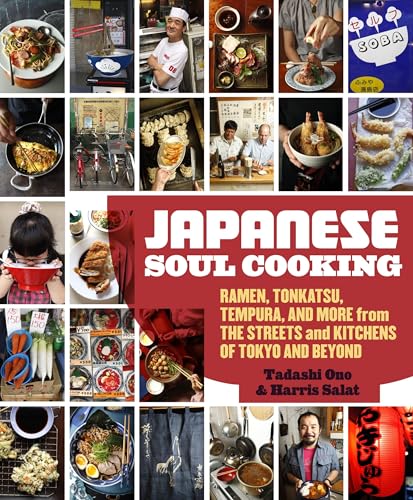
2. Ten Speed Press Japanese Soul Cooking Cookbook Featuring Authentic and Comfort Recipes from Tokyo
- Used Book in Good Condition
Exploring home-style Japanese dishes beyond sushi reveals a world of hearty meals like tonkatsu, curry, and gyoza that define everyday dining in Japan. This cookbook by Ten Speed Press captures those comforting flavors with a collection of more than 100 recipes, emphasizing simplicity and tradition.
Introducing ingredients and techniques suitable for Western kitchens, you’ll find step-by-step photo guides that build confidence even for those new to Japanese cooking. The authors, Tadashi Ono and Harris Salat, share insights into the diverse origins of popular plates, deepening appreciation while cooking.
The range stretches from noodle staples like ramen, soba, and udon to lesser-known gems such as wafu pasta and tatsuta-age. Each recipe emphasizes accessible authenticity and balances taste with practical preparation.
Rich photography evokes the lively spirit of Japan’s streets and local eateries, making the experience feel grounded and inviting. The inclusion of homemade sauces and condiments provides flexibility in customization to suit various palates and kitchen inventories.
Ten Speed Press delivers a book that goes beyond mere instructions; it cultivates a deeper connection to Japanese soul food while supporting home cooks eager to diversify their repertoire.
Best for: Enthusiasts seeking authentic Japanese comfort food familiar in both street stalls and home kitchens.
Pros:
- Over 100 approachable recipes covering staple and unique dishes
- Clear, concise instructions with visual aids
- Covers sauces and condiments to enhance flavor crafting
- Insightful cultural and historical context for each recipe
- Designed for accessibility with common ingredients
Cons:
- Some specialty ingredients might require sourcing
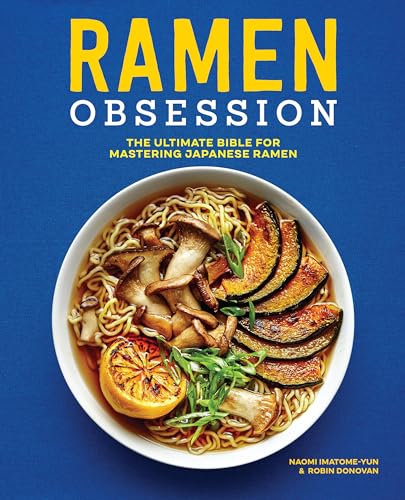
3. Callisto Ramen Obsession Cookbook with 130 Authentic Recipes for Home Cooking
Mastering the intricacies of savory ramen starts with understanding its core components. This guide breaks down the essential elements like broth, tare seasoning, aromatic oils, noodles, and toppings with clear step-by-step instructions. Building layers of flavor becomes approachable even for cooks working outside traditional ramen shops.
Explore over 130 detailed recipes that span from practical weekday bowls to more elaborate options such as Spicy Miso Tonkotsu and Shoyu with clams and butter. Rich historical background and regional variations enrich your appreciation and add context to each dish. Crafting noodles and broths from scratch offer a genuine taste of Japan’s beloved comfort food.
Callisto’s publication equips you with knowledge on the tools and techniques needed for complex flavors while remaining accessible to adventurous home cooks. The inclusion of tips for pressure cooking and variations like gluten-free noodles broadens the book’s usability. Practicality meets tradition without overwhelming novices with unnecessary complexity.
Although the book favors detailed textual guidance over extensive photography, those who prefer informative content and precise cooking advice will find this resource highly rewarding. Understanding every step helps recreate that satisfying bowl of ramen in your own kitchen.
Best for: Enthusiasts interested in mastering authentic Japanese noodle soups with hands-on recipes and cultural insights.
Pros:
- Includes 130 varied ramen recipes from simple to advanced
- Explains six critical ramen-making steps in detail
- Covers regional history and modern ramen styles
- Provides options for gluten-free noodles and pressure cooking
- Spiral-bound edition available for ease of use during cooking
Cons:
- Visual learners might find the limited photography less helpful
4. Phaidon Press Japan: The Cookbook – Over 400 Authentic Japanese Recipes by Nancy Singleton Hachisu
Wading through the world of cookbooks on Japanese cuisine often leads to either overly simplified or intimidatingly intricate collections. Here, you encounter a balance rarely matched: a volume presenting more than 400 recipes that respect traditional methods while remaining accessible to the home cook.
Nancy Singleton Hachisu organizes the rich culinary landscape of Japan into approachable courses, including soups, noodles, pickles, and sweets. The book goes beyond just recipes, offering insightful notes that illuminate regional customs and preparation nuances, enhancing your understanding of each dish.
With detailed instructions accompanied by clear unit conversions and thoughtfully placed full-color photographs, this cookbook offers a bridge to authentic flavors without requiring professional expertise. The sturdy design even allows easy use on a cookbook stand, minimizing kitchen disruptions.
Though some ingredients may require scouting specialty stores, the author encourages creative substitutions aligned with seasonal and local produce. This approach marries tradition with practicality, inviting cooks to experiment confidently.
Produced by Phaidon Press, this illustrated edition combines depth and elegance, making it a substantial resource both for curious beginners familiar with East Asian cooking and for those refining their skills.
Best for: Enthusiasts seeking an extensive, authentic guide to Japanese dishes with cultural insights and practical recipes.
Pros:
- Over 400 thoughtfully curated recipes spanning regional specialties
- Insightful notes explaining cultural and ingredient context
- Clear, dual-unit measurements supporting precise cooking
- Full-color photographs aiding visual understanding
- Durable layout fits cookbook stands, ideal for kitchen use
Cons:
- Ingredient availability may challenge those outside metropolitan areas
- Complex presentation might require prior familiarity with East Asian cooking techniques
5. Callisto Japanese Cookbook for Beginners with 70+ Classic and Modern Recipes
Getting authentic flavors in your kitchen can feel overwhelming without guidance tailored to newcomers. This book makes attaining the delicate balance of traditional and contemporary Japanese dishes approachable and enjoyable. You’ll find more than 70 recipes ranging from classic Miso Soup to inventive Football Sushi, providing a broad culinary spectrum without the guesswork.
Step-by-step instructions simplify otherwise intricate techniques, supporting cooks looking to expand their skill set without frustration. The included primer on building a Japanese pantry with essential spices, sauces, and tools helps recreate genuine tastes even on a busy schedule.
The emphasis on quick preparation and ingredient swaps means many dishes come together in 30 minutes or less, perfect for weeknight meals. While the book avoids visual aids, its clear explanations serve as a reliable foundation to gain confidence adapting recipes to your preferences.
Published by Callisto, this guide respects culinary traditions yet acknowledges modern palates and lifestyles. It’s an excellent resource for easing into a cuisine often thought too complex to tackle at home.
Best for: Culinary beginners seeking simple, flavorful Japanese dishes that fit into everyday cooking routines.
Pros:
- Wide variety of classic and modern recipes
- Clear pantry stocking guide for authentic ingredients
- Focus on minimal steps and fast cooking
- Helpful substitutions to manage hard-to-find items
- Includes both traditional and American-influenced dishes
Cons:
- Recipe photos are not included, which might challenge visual learners
6. Ecco Mastering the Art of Japanese Home Cooking by Chef Masaharu Morimoto – Authentic Recipes & Techniques

Finding authentic and approachable Japanese meal ideas becomes simpler when guided by a culinary master known for breaking down complex traditions. Chef Morimoto’s collection showcases how a small pantry of easy-to-source staples can lead to an array of delectable dishes without overwhelming the home cook. More than 150 vibrant photos offer clear visual direction, making each recipe feel within your reach.
Expect detailed insights into classic favorites like miso soup, chicken teriyaki, and nabeyaki udon, paired with clever contemporary variations that bring playful freshness to traditional meals. Morimoto’s guidance highlights the subtle but impactful differences in seasoning order and proportions, offering practical knowledge often omitted from typical recipe books.
While the recipes maintain authenticity, the collection invites flexibility with ingredient swaps and tweaks suitable for everyday kitchens. From simmered fish dishes to innovative rice bowls inspired by Hawaiian poke, you gain confidence to replicate and customize stunning Japanese home meals. Photography by Evan Sung enhances the experience, revealing both finished dishes and key preparation steps.
Published by Ecco in an illustrated edition, this 288-page volume balances expert tips with accessibility to suit cooks eager to learn without intimidation. It demystifies perceived challenges and presents Japanese cuisine as both nourishing and approachable, thanks to Morimoto’s personal culinary wisdom.
Best for: Home chefs who want to create both traditional and inventive Japanese dishes with detailed guidance from a renowned Iron Chef.
Pros:
- Includes over 150 color photos for step-by-step visual aid
- Features simple pantry staples enabling versatile meal options
- Provides expert seasoning advice for authentic flavors
- Offers playful and modern adaptations of classic dishes
- Clear instructions suitable for intermediate cooks
Cons:
- Glossary lacks ingredient photos, which might require additional research
- Some recipes involve making stocks that could take extra prep time
7. Just One Cookbook Essential Japanese Recipes by Nami – Authentic Home Cooking Guide

Tackling the authentic flavors of Japan often feels out of reach for home cooks. Nami’s collection breaks down these barriers by sharing a carefully curated set of 33 recipes that blend tradition with accessibility. From classic chawanmushi to crowd-pleasing California rolls, each dish is tested and refined to bring you genuine tastes without overwhelming complexity.
Nami guides you through fundamental kitchen skills, introducing staples like perfectly steamed rice, sushi rice, and dashi stock preparation. The emphasis on traditional techniques gently challenges the assumption that Japanese cooking must be complicated or require rare ingredients.
Readers worldwide have appreciated the clear instructions and approachable recipes that make family favorites like chicken teriyaki accessible. The book’s format—with ample photos and precise explanations—adds confidence for those new to Japanese cuisine. Independently published and well-organized, it serves as a dependable companion in your culinary journey.
Expect crisp recipe clarity, reliable cooking methods, and thoughtfully chosen dishes that reflect authentic homestyle meals. This guide doesn’t just offer recipes; it fosters understanding of foundational Japanese flavors for everyday cooking.
Just One Cookbook stands out by balancing authenticity with user-friendly presentation, making it a worthy resource for beginners passionate about exploring Japan’s culinary traditions.
Best for: Novices eager to master classic Japanese dishes with clear guidance and a trusted approach.
Pros:
- In-depth focus on traditional preparation methods
- Recipes tested and appreciated by a global reader community
- Includes essential pantry staples and cooking basics
- Clear, concise instructions suitable for home cooks
- Rich visual aids to support step-by-step cooking
Cons:
- May require initial ingredient sourcing that some might find challenging
- Limited to 33 recipes, which might not satisfy those seeking a broader variety
8. Roost Books Japanese Home Cooking by Sonoko Sakai – Authentic Simple Meals Guide

Balancing tradition with everyday practicality, this volume opens with an insightful look at foundational items like dashi and pickles, setting up a pantry that brings authentic tastes right into your kitchen. Sonoko Sakai’s approach marries seasonal ingredients with straightforward methods, offering over 100 recipes that range from hearty vegetable soups to inventive desserts.
Each page gently guides through classic dishes—think grilled rice balls and hand-rolled sushi—alongside less common delights such as mochi waffles and fermented rice pops. The inclusion of stories about food artisans in both California and Japan adds an enriching layer of cultural depth. Photography by Rick Poon complements the recipes with vibrant visuals that capture the essence of these meals.
More than a simple recipe collection, this book invites cooks to engage with Japanese cuisine at their own pace, encouraging exploration of techniques like noodle making and rice preparation that often shape authentic flavors. With its candid, approachable language, it demystifies steps that might otherwise seem complex.
Roost Books delivers a resource that caters to beginners willing to experiment and seasoned cooks aiming to deepen their understanding. The book’s well-rounded layout supports learning, making each recipe a practical exercise in traditional cooking methods.
Best for: Home cooks interested in blending authenticity with manageable preparation who appreciate cultural context and homemade techniques.
Pros:
- Over 100 recipes covering a wide range of dishes and skill levels
- Focus on seasonal, high-quality ingredients for freshness and authenticity
- Detailed guidance on fundamental pantry items and Japanese cooking techniques
- Engaging personal stories that connect recipes to real culinary traditions
- Beautiful photography enhancing the recipe experience
Cons:
- Some recipes may require ingredients that are less common outside of specialty markets
- Preparation times and techniques might challenge beginners expecting quick or shortcut meals
9. Ten Speed Press Donabe Clay Pot Cookbook Featuring Traditional and Modern One-Pot Japanese Meals
![Donabe: Classic and Modern Japanese Clay Pot Cooking [A One-Pot Cookbook]](https://m.media-amazon.com/images/I/51S6fUojgNL.jpg)
Cooking with a traditional Japanese clay pot opens the door to dishes that balance comfort and elegance in one vessel. You can prepare everything from warming hot pots to delicately steamed vegetables, infusing your meals with rich flavors that develop naturally in a donabe.
The book authored by Tokyo native Naoko Takei Moore and chef Kyle Connaughton offers an extensive variety of recipes that include classic favorites and inventive California-inspired creations. Their collaboration includes insights from renowned chefs, providing you with a blend of reliability and exciting culinary twists.
Step-by-step guidance on donabe care and seasoning lets you use this cookware with confidence, while nutritional options accommodate vegetarians and vegans without sacrificing depth of flavor. To complement the recipes, the book shares thoughtfully photographed dishes and helpful advice for substitutions of hard-to-find Japanese ingredients.
Beyond recipes, the collection explains the history and evolving role of donabe in Japanese kitchens, enhancing your appreciation for this cookware. The detailed glossary and kitchen tool overview further support hands-on learning. With over 100 recipes tailored for communal dining, this book turns the somewhat unfamiliar donabe method into a truly approachable cooking style.
Best for: Those seeking to immerse themselves in authentic yet adaptable Japanese clay-pot cuisine with rich background and clear instructions.
Pros:
- Wide range of authentic and innovative donabe recipes
- Clear cooking instructions suitable even for newcomers
- Comprehensive background on cookware history and usage
- Helpful dietary options and substitution suggestions
- Beautiful photography illustrating final dishes
Cons:
- Some recipes require specialty ingredients that might be hard to source locally
- Optimal results often need traditional donabe pots which might necessitate additional investment
10. Ten Speed Press Washoku Cookbook by Elizabeth Andoh Featuring Authentic Japanese Home Cuisine
![Washoku: Recipes from the Japanese Home Kitchen [A Cookbook]](https://m.media-amazon.com/images/I/51ypIDaWLTL.jpg)
Mastering the art of traditional Japanese cooking requires more than a list of recipes; it calls for an understanding of its philosophy and ingredients. Elizabeth Andoh’s book, published by Ten Speed Press, offers a detailed exploration of the Japanese pantry and culinary ethos, guiding you beyond flavor toward balance and nutrition. Her work stands out by providing detailed ingredient breakdowns and clear, precise recipes that highlight the natural harmony of Japanese dishes.
The book’s focus on soups, rice dishes, noodles, and seafood invites a tactile learning experience. With full-color photography enhancing the intimate connection to each recipe, you gain practical insights into washing, slicing, and cooking techniques rarely explained with such depth in Western cookbooks. The physical heft and page design reflect a lasting companion meant for regular use.
While recipes lean toward the traditional and may demand sourcing specific ingredients, thoughtful substitutions and cultural context help bridge those gaps. This volume isn’t about quick fixes but about embracing the rhythm and flow of the Japanese home kitchen, fostering respectful cooking practices through a loving lens.
Elizabeth Andoh’s reputation as a foremost English-language authority underscores the book’s value, blending scholarly respect with accessibility. Emphasizing seasonal freshness and simplicity, it encourages a mindful approach to food preparation, making it valuable for cooks seeking authenticity over instant results.
Best for: Those interested in immersing themselves in authentic Japanese culinary traditions, appreciating cultural depth, and applying traditional techniques in their home kitchen.
Pros:
- Comprehensive pantry and ingredient explanations
- Recipes that preserve traditional flavors and balance
- Beautiful full-color photographs enhancing understanding
- Advice on ingredient substitutions and sourcing
- Encourages mindful cooking and cultural appreciation
Cons:
- Recipes may require multiple specialty ingredients, challenging for some cooks
- Preparation steps could benefit from additional visuals and detailed guidance for beginners
Quick Guide: Best Books On Japanese Cooking Feature Analysis
| Product Name | Page Count | Focus / Specialty | Publisher & Publication Date |
|---|---|---|---|
| Momofuku Bold Asian Cuisine | 304 pages | Modern Asian flavors, ramen, chef David Chang’s story | Clarkson Potter, Oct 2009 |
| Japanese Soul Cooking Comfort Food | 256 pages | Classic Japanese comfort dishes like ramen, tonkatsu, tempura | Ten Speed Press, Nov 2013 |
| Ramen Obsession Mastery Guide | 232 pages | Focused on ramen making, broth, noodles, tare, toppings | Callisto, Oct 2019 |
| Japan The Cookbook | 464 pages | Extensive coverage, over 400 authentic Japanese recipes | Phaidon Press, Apr 2018 |
| Japanese Cookbook For Beginners | 146 pages | Introductory, easy Japanese recipes and kitchen basics | Callisto, Mar 2020 |
| Mastering Japanese Home Cooking | 288 pages | Authentic home-style Japanese recipes by Iron Chef Morimoto | Ecco, Nov 2016 |
| Just One Cookbook Essentials | 94 pages | Popular, tested recipes focusing on authentic home methods | Independently published, Dec 2013 |
| Japanese Home Cooking by Sonoko Sakai | 304 pages | Seasonal ingredients, traditional techniques, authentic flavor | Roost Books, Nov 2019 |
How to Choose the Right Japanese Cookbook for Your Kitchen?

Japanese cooking books vary widely depending on your skill level, interest, and what type of dishes you want to master. Identifying the factors that matter will guide you to a resource that fits your style and goals.
Authenticity vs Accessibility
Authenticity involves staying true to traditional Japanese ingredients, techniques, and flavor profiles, which can be complex and require specialized pantry items. Accessibility focuses on adapting these elements for home cooks, often including substitutes or simplified steps. Books like “Japan: The Cookbook” excel in authenticity with over 400 traditional recipes, while “Japanese Soul Cooking” leans toward accessible comfort food that feels familiar yet Japanese.
Some titles strike a balance, providing authentic dishes but guiding the user with clear instructions and ingredient options. Choosing between authenticity and accessibility impacts how challenging and rewarding your cooking experience will be.
Ignoring this factor can lead to frustration if recipes demand rare ingredients without alternatives or feel watered down and lose character when simplified.
Recipe Focus and Cuisine Style
Japanese cooking covers a wide range of dishes—from comforting ramen and delicate sushi to seasonal treats and everyday meals. Many cookbooks target specific niches. For example, “Ramen Obsession” dives deep into noodle soups, while “Momofuku” offers a bold, modern take on Asian flavors.
Knowing the book’s focus helps you pick one that suits your cooking goals, whether you want to hone ramen broth skills or master sushi rice techniques. This choice affects the kitchen tools and techniques you’ll need.
If the cuisine style isn’t clear, you might end up with recipes that don’t fit your taste or skill level, making the book less useful overall.
Skill Level and Instruction Style
Cookbooks cater to different skill levels, from easy-to-follow beginner guides to more complex volumes for seasoned cooks. The style of instruction can range from detailed photo steps to straightforward written directions.
Beginner-friendly titles like “Japanese Cookbook for Beginners” and “Just One Cookbook Essentials” offer simple, clear guidance that helps build cooking confidence. Meanwhile, experienced chefs might prefer “Mastering Japanese Home Cooking” by Chef Morimoto, which mixes detailed techniques with vibrant photos to illustrate each step.
Choosing a book that matches your skill ensures recipes feel approachable and enjoyable. Selecting one with a suitable instruction style can make a big difference in your kitchen success and overall experience. Matching your abilities with the right cookbook helps keep cooking fun and satisfying.
Visual and Design Elements
Clear photographs and thoughtful layout play a big role in making Japanese recipes accessible. These dishes often depend on subtle techniques and precise presentation, so seeing the process helps.
Books like “Mastering Japanese Home Cooking” provide over 150 photos, while “Japanese Soul Cooking” includes detailed step-by-step photo guides. Some cookbooks focus mainly on text, which can be challenging for those who learn best visually.
Having strong visuals supports better understanding of each step, reducing chances of mistakes. Without them, it’s easier to miss important details or present dishes incorrectly.
Choosing a book with clear images can make cooking traditional Japanese food more rewarding and accurate.
Recipe Variety and Completeness
The range of recipes in a cookbook shapes how much you can explore Japanese cooking. Some books, like “Japan: The Cookbook,” offer over 400 recipes, covering everything from appetizers to desserts. These serve as extensive guides for those wanting a broad culinary experience.
Other cookbooks zoom in on specific dishes or styles, such as ramen or everyday home cooking. These are great if you want to master a niche but usually don’t provide a wide array of recipes.
Choosing a cookbook with a balanced scope helps maintain enthusiasm and keeps your cooking projects manageable. Too many recipes can feel overwhelming, while too few might limit your learning opportunities.
Publisher Reputation and Edition Quality
Publisher reputation often signals the level of editorial care and recipe testing behind a cookbook. Well-known publishers like Clarkson Potter, Phaidon Press, and Ten Speed Press typically deliver high-quality, thoroughly tested recipes with clear instructions and attractive presentation.
Many newer or independently published books bring fresh ideas, focusing on specific regional dishes or modern adaptations. For example, “Just One Cookbook” is an independent release praised for its authentic recipes and user-friendly style.
Choosing a book from a reliable publisher reduces the risk of encountering confusing directions or outdated ingredients, helping you cook with confidence and enjoy better results.
Frequently Asked Questions
Which book is best for beginners interested in Japanese cooking?
Books designed for beginners focus on approachable recipes and clear instructions without overwhelming specialized ingredients. Titles like “Japanese Cookbook for Beginners” by Callisto and “Just One Cookbook Essentials” by Nami provide this balance by including step-by-step guidance and accessible dishes. These books introduce core techniques such as making miso soup or preparing sushi rice, making foundational skills attainable.
They often explain pantry basics and offer substitution tips to ease entry into Japanese cooking. By focusing on simplicity and authenticity, they boost confidence.
A good pro tip is to start with these beginner-friendly books before moving on to more complex cookbooks to avoid frustration and build a solid base.
How do these cookbooks handle ingredient availability outside Japan?
Most of the recommended books address ingredient sourcing by either suggesting Western equivalents or providing detailed guidance on where to find authentic ingredients. For instance, “Japanese Soul Cooking” emphasizes commonly available pantry staples and offers notes on substitutions for specialty items. “Mastering Japanese Home Cooking” also suggests pantry basics that can be found in international or Asian markets.
Recipes include alternatives without compromising flavor, enhancing accessibility for home cooks worldwide. This approach prevents recipes from becoming unattainable due to missing ingredients.
A helpful tip is to gradually add authentic ingredients as you become comfortable, rather than trying to source all at once, which can be costly and overwhelming.
Are these cookbooks useful for mastering ramen specifically?
For those focused on ramen, “Ramen Obsession” by Callisto is one of the most detailed resources available. It breaks down ramen into individual components such as broth, tare, noodles, and toppings with over 130 recipes. This specialization allows home cooks to understand each layer and recreate authentic bowls.
Other books, like “Momofuku” and “Japanese Soul Cooking,” include ramen recipes but are broader in scope. Specialized ramen cookbooks provide more depth in technique and ingredient preparation specific to this dish.
To get the best results, treat ramen cookbooks as a curriculum: practice broth making separately before assembling full bowls, avoiding shortcuts that flatten flavor.
Can advanced home cooks find value in these cookbooks?
Advanced cooks benefit from volumes that balance tradition with sophisticated techniques. “Momofuku” by David Chang offers innovative Asian-inspired recipes and modern reinterpretations of Japanese staple dishes, while “Japan: The Cookbook” delivers an encyclopedic range of authentic recipes. These books challenge experienced cooks with unique flavor profiles and intricate preparations.
They often include chef insights that inspire improvisation and refinement of skills beyond basic recipes. Highly visual guides like Morimoto’s “Mastering Japanese Home Cooking” provide detailed explanations of complex methods.
For advanced cooks, experimenting with these titles encourages pushing boundaries while respecting tradition; carefully selecting recipes suited to your skillset prevents wasted effort on overly time-consuming dishes.
Do these books cover seasonal and regional Japanese dishes?
Several cookbooks embrace the seasonal and regional diversity of Japanese cuisine. “Japan: The Cookbook” offers over 400 recipes that highlight different areas and seasonal ingredients throughout Japan’s culinary calendar. Sonoko Sakai’s “Japanese Home Cooking” focuses on seasonal ingredients with over 100 recipes, blending tradition with everyday practicality.
Incorporating seasonal produce emphasizes freshness and balance central to Japanese cooking philosophy. These books teach how to adapt menus throughout the year for authentic taste experiences.
A practical suggestion is to start by mastering a few seasonal dishes and build your pantry accordingly, allowing gradual immersion into regional variations without overwhelm.
Finding the Perfect Japanese Cookbook for Your Kitchen
The gap between inaccessible, overly complex Japanese cookbooks and overly simplified ones often leaves cooks stuck with uninspiring results. Choosing a book that balances authentic recipes, clear instructions, ingredient availability, and visual guidance changes how approachable and rewarding the cuisine feels.
Beginners will thrive with approachable beginner-focused books like “Japanese Cookbook for Beginners,” while seasoned cooks may prefer the depth of “Momofuku” or the encyclopedic “Japan: The Cookbook.” Those seeking ramen mastery should consider the focused “Ramen Obsession.”
Start by selecting a book that matches your skill level and culinary interests. Keep in mind that proper preparation, ingredient sourcing, and understanding cooking times will improve your outcomes. Avoid rushing into complex recipes before building foundational skills to fully appreciate Japanese cooking’s nuances.
Last update on 2026-04-02 / Affiliate links / Images from Amazon Product Advertising API