
Blistered Tomato Pasta: Easy Mediterranean Flavor Boost
You’ll love how blistered tomato pasta bursts with sweet, caramelized tomatoes mingling in shimmering olive oil.
By using ripe cherry and grape tomatoes, you get rich, layered flavors enhanced with aromatic garlic, fresh basil, and a touch of savory Parmesan.
Tossed with ridged or shell-shaped pasta that clings to every juicy bite, this dish balances freshness and depth beautifully.
Keep going to uncover tips on perfecting the sauce, selecting pasta, and creative twists that elevate this vibrant meal.
Key Takeaways
- Blister cherry and grape tomatoes in hot olive oil until caramelized for a rich, layered tomato sauce base.
- Use a mix of whole and halved tomatoes to create varied texture and naturally sweet, vibrant flavor.
- Incorporate garlic, onions, fresh herbs to build aromatic complexity.
- Pair the sauce with tube-shaped or ridged pasta like penne or rigatoni to trap and hold the sauce well.
- Finish with fresh basil, Parmesan, and a drizzle of quality olive oil for bright, balanced flavor and presentation.
Quick Step-By-Step Instructions for Perfect Blistered Tomato Pasta
| Ingredients / Tools | Steps / Actions |
|---|---|
| 2 cups cherry or grape tomatoes | Heat a large skillet over medium-high until the oil shimmers. |
| 2–3 tbsp olive oil | Add whole and halved tomatoes; let them blister undisturbed for 2–3 minutes. |
| 3–4 garlic cloves, minced | Gently stir and continue blistering for 5–7 minutes until tomatoes burst and release juices. |
| ½ small onion, finely diced | Add garlic and onion; sauté until fragrant and lightly golden. |
| Fresh basil leaves | Stir in basil toward the end for bright herbal flavor. |
| Parmesan or Pecorino Romano | Grate cheese over the sauce to add savory depth and umami. |
| Salt and black pepper | Season gradually to balance the acidity and sweetness. |
| Pinch of red pepper flakes | Add heat to complement the smoky blistered tomatoes. |
| Optional: tomato paste or Parmesan rind | Enhance richness by adding umami boosters. |
| Pasta (rigatoni, penne, shells, or fusilli) | Cook pasta al dente; reserve pasta water. Toss with sauce until glossy. |
| Optional add-ons: spinach, mushrooms, ricotta, mozzarella | Fold in extras for added texture, creaminess, or nutritional boosts. |
Choosing the Best Tomatoes for Blistering
When you choose tomatoes for blistering, opt for cherry or grape varieties. They burst with sweetness and caramelize beautifully. Their small size and taut, thin skins let them blister evenly without bursting prematurely, locking in juicy, concentrated flavors. Rotating food trays during dehydration ensures even drying and similar principles apply when blistering tomatoes for consistent results.
Cherry tomatoes, with their high sugar content, caramelize faster, creating a deep, rich sweetness that dances on your tongue. Grape tomatoes, slightly elongated, offer a nuanced flavor and hold their shape well, adding texture to your dish. Avoid larger varieties like Roma, which need longer cooking and don’t caramelize as well.
Pick vibrant tomatoes free of wrinkles or bruises, preferably in peak summer season when their sugars and umami peak. Using a heavy-bottomed skillet helps ensure even heating and better blistering results when cooking these tomatoes. This ensures every bite delivers a perfect balance of juicy sweetness and satisfying snap.
Essential Ingredients for Flavorful Sauce
To kick things off, grab some ripe, juicy tomatoes. You know, the kind that are bursting with sweetness and a bit of tang. They really set the foundation for a delicious sauce! For the best flavor, consider using canned San Marzano tomatoes, which are prized for their rich taste and balanced acidity quality tomato purée.
Next up, you’ll want to sauté some fresh garlic and onion. Trust me, the aroma that fills your kitchen is just heavenly and will make everyone feel right at home.
And don’t forget about the herbs! Toss in some basil and oregano to really amp up those vibrant, earthy notes. It’s what makes your sauce truly sing, adding that extra layer of flavor that you just can’t resist.
Key Tomato Varieties
Although many tomatoes might seem similar at first glance, choosing the right variety can transform your sauce from ordinary to unforgettable.
San Marzano tomatoes, with their dense, elongated shape and naturally sweet, low-acid flesh, create rich, concentrated sauces that sing with balanced flavor. They are known for their quick cooking time that imparts authentic homegrown flavor, much like how selecting the right roast levels enhances coffee flavor profiles.
Roma tomatoes, deep red and sweet, offer a thick, smooth texture thanks to their low water content and minimal seeds, perfect for classic Italian sauces.
If you want versatility, Rutgers tomatoes bring a meaty texture and balanced acidity, ideal for both fresh eating and thick sauces.
For large, intensely flavored fruits, Oxheart tomatoes provide a high flesh-to-skin ratio, making peeling easier and sauces robust.
Homestead tomatoes, reliable in heat, round out your options with consistent flavor and good canning qualities.
Aromatics and Seasonings
Selecting the right tomato variety sets the stage, but the soul of your sauce comes alive through aromatics and seasonings.
Start by gently sautéing onions until translucent, releasing their sweet, mellow aroma. Add minced garlic next, letting its pungent fragrance infuse the olive oil without burning.
For balance, toss in shredded carrots to soften acidity and deepen sweetness. Season with salt and cracked black pepper to amplify flavors, and a pinch of sugar if the tomatoes feel too tart.
Fresh basil stirred in at the end brightens the sauce with herbal freshness, while a bay leaf simmering quietly adds subtle earthiness.
Just as with maintaining knife sharpness, regularly revisiting and adjusting your seasonings ensures the best flavor balance in your sauce.
Step-by-Step Blistering Technique
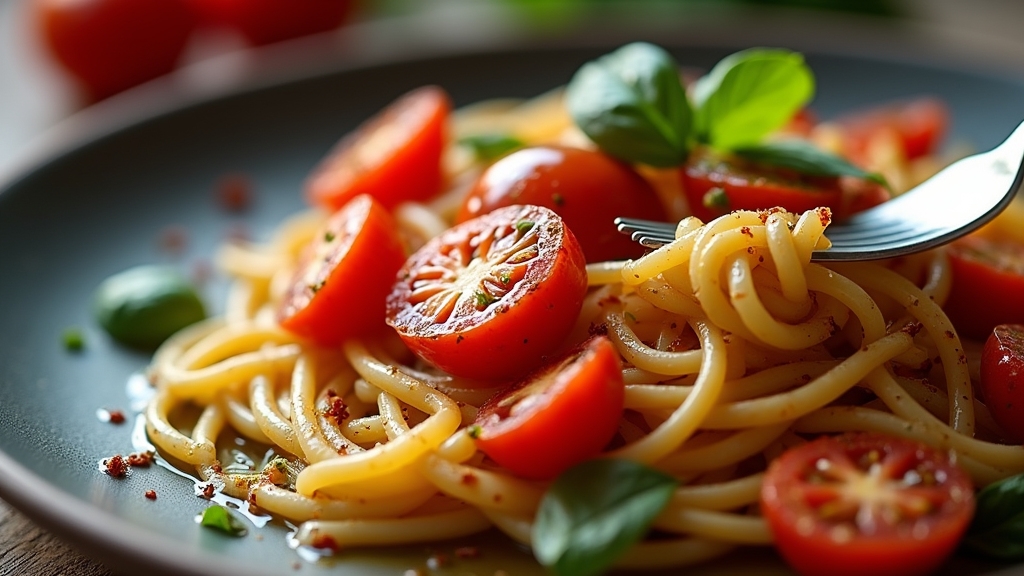
When you heat your skillet just right and add a shimmering layer of olive oil, the stage is set for the magic of blistering tomatoes to unfold. Proper airflow can enhance moisture evaporation, similar to how dehydrator vents function to prevent sogginess.
Start by adding cherry and grape tomatoes, some halved, some whole, to the hot oil. Let them sizzle undisturbed for 2 to 3 minutes, watching their skins bubble and char, releasing a sweet, smoky aroma.
Add halved and whole cherry and grape tomatoes to hot oil, letting their skins bubble and char, releasing smoky sweetness.
Gently toss or stir, ensuring every tomato blisters evenly over the next 5 to 7 minutes. You’ll see them soften, burst, and release vibrant juices that begin forming a luscious sauce. Using a mix of whole and halved cherry tomatoes—whole tomatoes remain intact, while halved ones create a saucier consistency—enhances flavor and texture.
Keep the heat steady to avoid burning while coaxing out rich, caramelized flavors.
Finally, press a few tomatoes lightly, merging their juices into a silky base perfect for your pasta.
Enhancing the Sauce With Seasonings and Add-Ons
You’ll want to balance the sauce’s bright acidity with a touch of sweetness and a hint of heat to keep things lively on your palate. It’s all about that perfect harmony! Remember, using ingredient accessibility ensures you can find everything easily at your local store.
Adding umami boosters like Parmesan rind or tomato paste really deepens the flavor, creating a rich, savory base that’s hard to resist. Using high-quality herbs and spices ensures that every note in your sauce is vibrant and authentic.
And let’s not forget about the finishing touches! Fresh herbs and a sprinkle of cheese at the end bring a vibrant aroma and a creamy finish that make every bite sing. Trust me, it’s these little details that elevate your dish from good to unforgettable!
Balancing Acidity and Heat
Although blistered tomato pasta boasts vibrant flavors, balancing its natural acidity and heat is key to creating a harmonious sauce that sings on your palate.
Start by selecting ripe, sweet tomatoes like San Marzano, which naturally mellow acidity. Choosing low-acid tomatoes can significantly reduce the sharpness in your sauce.
To tame sharpness, stir in grated carrots or caramelized onions; their sweetness softens the tang while adding depth.
A splash of heavy cream or a pat of butter coats your tongue, smoothing acidity into velvet richness.
If heat bites too fiercely, a pinch of baking soda calms the sharp edges but use it sparingly to avoid bitterness.
Finally, consider gentle dilution with broth or tossing in tender meats or starches to round out flavors, ensuring every bite delivers a balanced, satisfying experience that lingers warmly.
Umami Boosters Explained
Balancing acidity and heat sets the stage, but revealing the full richness of your blistered tomato pasta comes from embracing umami. This deep, savory flavor lingers and satisfies.
You can boost umami by layering glutamate-rich tomato paste with guanylate-packed mushrooms, creating an earthy depth that feels both vibrant and comforting. Using a microwave-safe bowl to prepare ingredients like mushrooms can preserve their natural umami compounds effectively.
Adding a splash of soy sauce or a dollop of miso paste infuses fermented complexity, while a sprinkle of aged Parmesan introduces subtle inosinate notes that dance on your palate. Miso paste is a fermented soybean paste widely used in Japanese cuisine that boosts flavor without overtly changing the sauce’s taste.
Sautéing onions and celery first releases natural glutamates, enriching every bite. Don’t forget to simmer your sauce slowly, allowing these compounds to meld beautifully.
This careful harmony transforms simple ingredients into a luscious, savory symphony that makes each forkful unforgettable.
Fresh Herbs and Cheese
When fresh herbs meet cheese in your blistered tomato pasta, they create a vibrant dance of flavors and textures that elevate the dish beyond ordinary.
Imagine the bright, peppery aroma of basil mingling with the salty, umami-rich Parmesan, each bite bursting with freshness and depth. Using a manual slicer can help you achieve perfectly thin herb slices to maximize their flavor release.
Sprinkle tender parsley and dollops of creamy ricotta at the end to add a luscious balance, or melt fresh mozzarella for a light, milky touch that complements dill’s subtle anise notes.
Incorporate rosemary and oregano early to infuse a woodsy warmth, while grated hard cheeses like Pecorino Romano sharpen the herbaceous layers.
This combination not only enhances flavor but also delivers antioxidants, vitamins, and anti-inflammatory benefits, turning your pasta into a wholesome, irresistible experience.
Using fresh local herbs ensures you get the most potent flavors and nutrients since they are picked at peak ripeness, retaining their nutritional value longer than store-bought options.
Selecting the Perfect Pasta Shape
Choosing the perfect pasta shape transforms your blistered tomato dish from simple to sensational by ensuring every bite captures the full burst of flavor and texture.
The right pasta shape turns your blistered tomato dish into a flavorful, textured masterpiece in every bite.
If you crave thick, concentrated tomato bursts, tube-shaped pastas like penne or rigatoni trap juicy pieces in their hollow centers. These shapes are especially versatile for thick tomato sauces, making them a classic choice for baked dishes and hearty meals.
Spirals such as fusilli coil sauce into every twist, creating a luscious, saucy bite.
Shells cradle blistered tomato chunks, catching rich, hearty sauce in their curved interiors.
For delicate, silky tomato sauces, long thin strands like linguine let flavors glide smoothly without overpowering. Their slender texture highlights delicateness without weighing down the dish, perfect for lighter sauces.
Ridged varieties, like ridged penne, cling to sauce molecules with their textured surfaces, locking in the essence of blistered tomatoes.
Select a shape that suits your sauce’s texture and savor how it amplifies every rich, vibrant mouthful. Understanding the importance of pasta-sauce pairing ensures that your dish achieves optimal taste and presentation.
Combining Pasta and Sauce for Ideal Texture
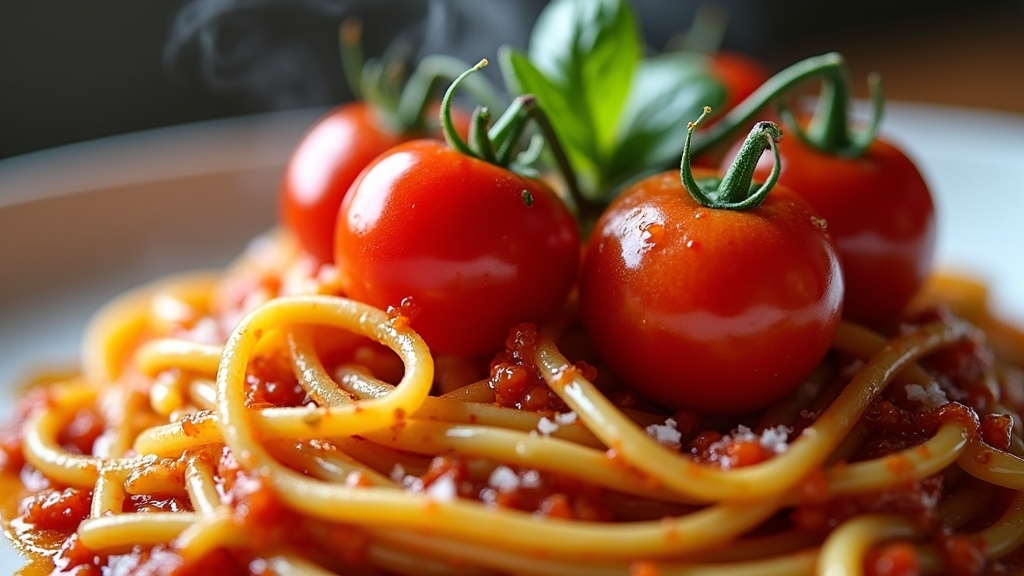
Although the right pasta shape sets the stage, combining it thoughtfully with your sauce brings texture to life, creating a symphony of flavors and mouthfeel.
When you toss pasta with sauce, consider how their textures interact: smooth sauces cling to silky strands, while chunky sauces nestle in ridges and tubes. Chefs often choose pasta shapes based on texture, weight, surface area to ensure the best pairing. Adding reserved pasta water creates a glossy, cohesive coating, enhancing every bite with balanced moisture. Using layered lighting techniques in the kitchen can similarly enhance the overall cooking and dining experience.
| Sauce Type | Ideal Pasta Shape |
|---|---|
| Smooth (Pomodoro) | Spaghetti, Linguine |
| Chunky (Meat) | Rigatoni, Penne |
| Herb-based (Pesto) | Fusilli, Trofie |
| Creamy | Fettuccine, Tagliatelle |
| Delicate (Seafood) | Angel Hair, Vermicelli |
Master tossing techniques: vigorous for sturdy pasta, gentle for delicate strands, to perfect your dish’s texture.
Creative Variations to Customize Your Dish
As you explore creative variations, you’ll find countless ways to elevate your blistered tomato pasta with vibrant flavors and textures.
Stir in fresh spinach at the end for a pop of green and nutrients or sauté kale alongside tomatoes for a heartier chew. This recipe is especially perfect for utilizing seasonal, fresh summer tomatoes. Proper storage in airtight containers can help preserve the flavors of your ingredients for longer use.
Add sweetness with caramelized onions or crunch with broccolini.
For protein, toss in grilled shrimp kissed with lemon zest or creamy crumbled feta for tang.
Swap basil for earthy thyme or invigorating mint to shift the herb profile, while arugula adds a peppery bite.
Experiment with cheeses like mascarpone for richness or Pecorino Romano for sharp saltiness.
Finish with a zest of lemon or a sprinkle of red pepper flakes to brighten and spice your dish, tailoring each bite to your unique palate.
Tips for Quick and Healthy Preparation
When you select fresh cherry or grape tomatoes, their natural sweetness and quick blistering bring vibrant bursts of flavor to your pasta in just minutes. Using seasonal produce like cherry tomatoes reduces waste and enhances flavor.
Heat a modest drizzle of olive oil in a large skillet and add garlic cloves, releasing their aroma gently. Blister tomatoes on medium heat until their skins burst, creating a juicy, fragrant sauce.
Gently infuse olive oil with garlic, then blister tomatoes until bursting, forming a fragrant, juicy sauce.
Meanwhile, cook whole wheat or gluten-free pasta al dente in salted water. Reserve some pasta water before draining to adjust your sauce’s texture effortlessly.
Toss the pasta with the blistered tomatoes, adding fresh basil at the end for color and brightness.
Sprinkle red pepper flakes for a subtle kick and finish with a light grating of Parmesan.
This quick, healthy method preserves freshness while delivering rich, layered taste.
Frequently Asked Questions
Can I Prepare Blistered Tomato Pasta in Advance and Reheat It?
You might worry the pasta will turn mushy or the sauce will lose its vibrant tang, but you can definitely prepare blistered tomato pasta in advance!
Just cook the pasta slightly under al dente, store it airtight in the fridge, and gently reheat in a skillet with a splash of pasta water or cream.
This revives the sauce’s luscious texture and bright flavor.
Add fresh basil or cheese after reheating for that irresistible, aromatic finish.
How Do I Store Leftover Blistered Tomato Pasta?
You’ll want to let the pasta cool completely before sealing it in an airtight container. This keeps moisture locked in and flavors fresh.
Pop it into the fridge, ideally below 40°F, and enjoy it within 3 to 5 days. Keep watery ingredients separate to preserve the pasta’s texture.
When reheating, a splash of olive oil and gentle stirring will revive that rich, tangy sauce and silky noodles perfectly.
Is Blistered Tomato Pasta Suitable for a Vegan Diet?
Yes, you’ll find blistered tomato pasta wonderfully vegan-friendly! The juicy, charred tomatoes burst with rich, smoky flavor, while olive oil adds silky warmth without any animal products.
Garlic, fresh herbs, and perfectly al dente pasta combine to create a vibrant, plant-based dish that satisfies your cravings. You can even boost creaminess with cashews or nutritional yeast, making every bite luscious and fully compliant with your vegan lifestyle.
Can I Freeze Blistered Tomato Pasta Sauce for Later Use?
You can freeze your tomato sauce for up to 6 months without losing its vibrant flavor.
Imagine sealing in that rich, smoky aroma, then thawing it later to revive your kitchen with mouthwatering warmth.
Just cool the sauce completely, leave a 1-2 inch headspace in a freezer-safe container or bag, and remove excess air to avoid freezer burn.
When ready, thaw overnight in the fridge and gently reheat for a delicious meal anytime.
Bring This Blistered Tomato Pasta to Your Weekly Rotation
Did you know that tomatoes contain over 70 different antioxidants, making your blistered tomato pasta not just delicious but packed with health benefits?
As you toss that perfectly blistered, juicy sauce with your favorite pasta, imagine the burst of smoky sweetness and vibrant flavors dancing on your tongue.
With just a few simple steps, you’ve created a dish that’s both comforting and invigorating. Proof that great cooking can be quick, healthy, and utterly satisfying.