Can You Steep Tea in Cold Water? The Smooth Brew Guide
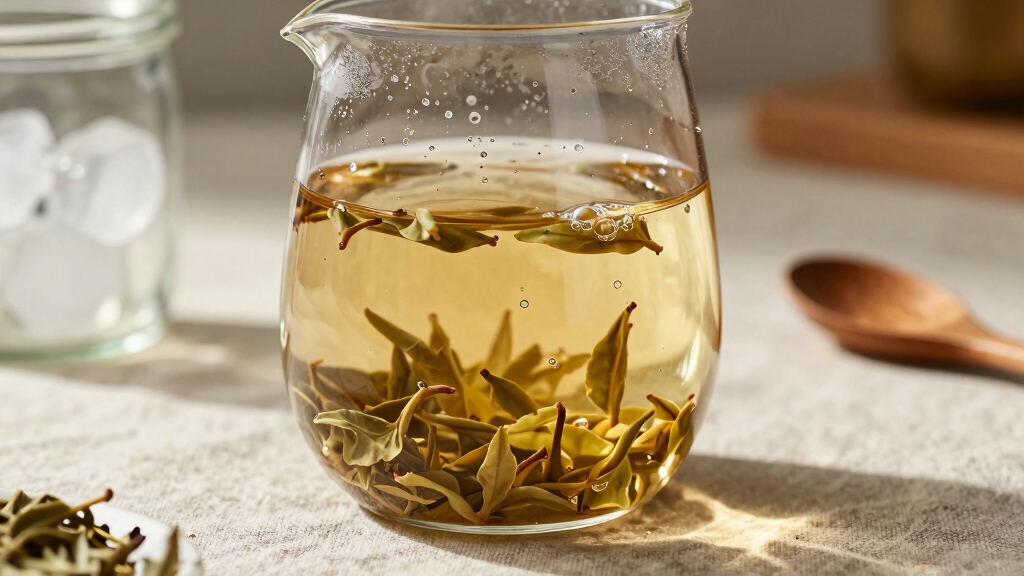
Yes, you can steep tea in cold water by soaking loose leaves or sachets for 6 to 12 hours, usually refrigerated, to extract a smoother, naturally sweeter flavor with less bitterness and astringency.
Cold steeping preserves delicate aromas and nutrients better than hot brews and works well with green, white, oolong, and black teas.
It requires more time but yields a cooling, mellow tea. Learn how to get the best ratios, steep times, and storage tips for peak taste.
Key Takeaways
- Yes, you can steep tea in cold water using a cold steeping method for 6 to 12 hours for smooth, less bitter flavor extraction.
- Cold water steeping extracts amino acids faster than tannins, producing a naturally sweeter and less astringent tea compared to hot brewing.
- Use about 1 teaspoon of loose leaf tea per 6 ounces (180 mL) of cold, filtered water for proper flavor balance during steeping.
- Refrigerate the tea and leaves during steeping to maintain quality and avoid spoilage, then decant leaves before serving.
- Cold steeping works best with green, white, and oolong teas, which preserve delicate flavors and antioxidants in cold water.
Understanding the Cold Steeping Process
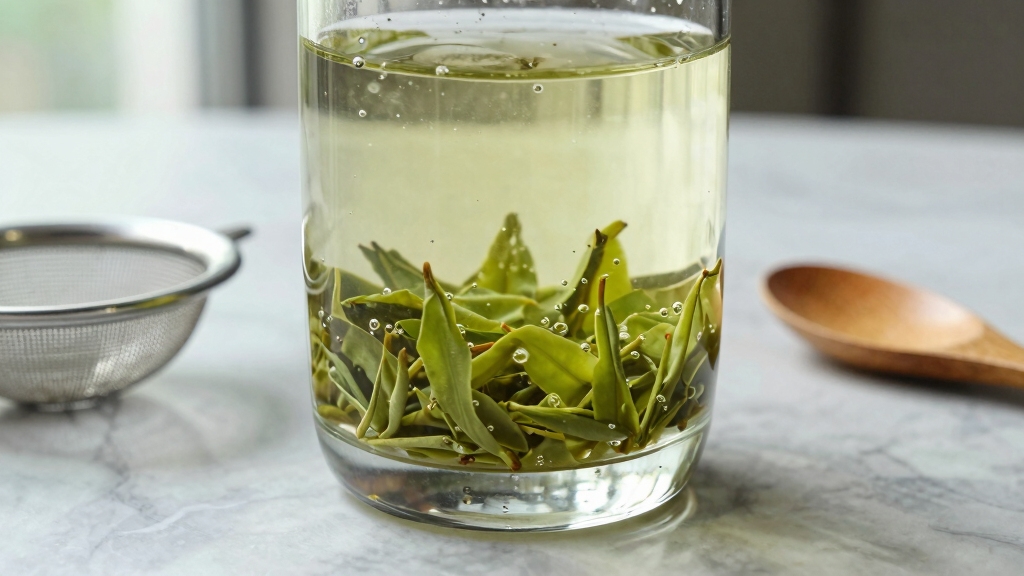
Although cold steeping takes longer than hot brewing, it extracts flavors and nutrients more gently, giving you a smoother, less bitter tea. Cold brew green teas typically steep for about 3 to 5 minutes to avoid bitterness, but some blends may require longer infusions (1-2 hours) depending on the tea type.
You start by placing loose tea leaves in an infuser, filter, or directly in your vessel. Use room temperature or cold filtered water to minimize tannin extraction, then refrigerate to keep the temperature steady. A common recommendation is to use about 2 teaspoons loose-leaf tea per 2 cups of water for optimal flavor extraction. Many cold brew green teas also offer antioxidant benefits preserved by the gentle brewing method.
Typical steeping lasts 6 to 12 hours, often overnight, allowing gradual infusion without harsh bitterness. The process is hands-off after setup, making it convenient for preparation ahead of time.
Glass jars, pitchers with infusers, or cold brew bottles work best, preventing flavor retention. You’ll want to follow recommended tea-to-water ratios, usually around 2 teaspoons per 2 cups, and adjust steeping times based on the tea type for most favorable results.
Flavor Profile Differences Between Hot and Cold Steeps
When you steep tea in cold water, you’ll notice that it’s way less bitter and doesn’t have that astringent kick. This is because cold extraction takes its time, which means it slows down the release of tannins and catechins. Pretty cool, right? Cold brewing typically requires several hours of steeping at cool or room temperature to achieve this effect, which contrasts with the rapid extraction of hot brewing. Cold brewing time Many cold brew coffee makers also work well for tea because of their steeping capacities and design.
Plus, the way the aromatic compounds develop is also quite different. Cold steeps bring out more amino acids and carbohydrates, giving you that smooth, sweet flavor that’s hard to resist.
Now, if you switch things up and go for a hot steep, you’ll get a totally different experience. Hot water works quickly to extract caffeine and polyphenols, which leads to a stronger, more robust flavor profile. You’ll notice those floral and roasted notes really pop out.
It’s almost like you’re tasting two different teas, even though they’re made from the same leaves!
Bitterness and Astringency
Because cold water extracts tannins and polyphenols more slowly than hot water, you’ll notice less immediate bitterness and astringency in cold brews during short steep times. Low retention grinders contribute to fresher coffee grounds, reducing stale flavors that might otherwise affect tea infusion quality.
Hot water rapidly solubilizes larger tannins and galloylated catechins, intensifying bitter, puckering sensations within minutes.
In contrast, cold steeps favor smaller phenolics and higher levels of sugars and amino acids, which mask bitterness by enhancing sweetness and smoothness. This is because cold water molecules move more slowly, producing a gentler infusion over a longer time.
However, if you extend cold steeping to several hours, tannin extraction increases, raising bitterness gradually.
Caffeine extraction is also slower in cold water, reducing early bitterness, though prolonged steeping approaches hot brew caffeine levels.
To balance these effects, you might try a brief hot steep followed by cooling, achieving similar bitterness to long cold brews but in less time.
This method preserves a smooth, rounded mouthfeel without harsh astringency. Using precise grind control can further refine extraction when preparing coffee or tea, ensuring optimal flavor balance.
Aromatic Compound Extraction
If you want to capture the nuanced aromas of tea, cold water extraction offers a unique advantage by gently drawing out volatile aromatic compounds over several hours. This slow process is akin to how a rice cooker uses temperature monitoring to regulate cooking without sudden changes.
Unlike hot steeping, which rapidly dissolves these compounds but risks heat degradation, cold steeping preserves delicate aromas and enhances flavor complexity. This slow infusion method preserves heat-sensitive compounds that can be lost in hot brewing.
Here’s why cold infusion excels:
- Volatile aromatics dissolve slowly, maintaining higher aroma levels.
- Cold water favors smaller flavor molecules, avoiding bitter larger compounds.
- Prolonged cold steeping (6–12 hours) guarantees gradual, balanced extraction.
- Amino acids and carbohydrates co-extract, complementing aromatic profiles.
Sweetness and Smoothness
Several factors distinguish the sweetness and smoothness of cold and hot tea steeps, shaping your overall flavor experience.
When you cold brew, amino acids are extracted faster than bitter polyphenols, giving your tea a naturally sweeter, smoother taste without added sugar. For example, cold green tea contains 180.5% more free amino acids than hot brews, which slows tannin release and reduces astringency. This gentle extraction process is why cold brew tea is often described as having a smoother, less bitter taste. Ensuring proper temperature control during steeping is essential to maintain flavor balance and avoid over-extraction.
In contrast, hot water rapidly draws out polyphenols like EGCG—53.39% more than cold—resulting in a bolder, more bitter profile. This heat-induced extraction also intensifies caffeine and tannins, sometimes leading to harshness if oversteeped.
Ideal Tea Types for Cold Water Steeping
While many teas can be cold-steeped, certain teas excel in this method by revealing unique flavor profiles and preserving delicate compounds. You’ll find these teas ideal for cold water steeping:
- Green teas like sencha and gyokuro bring out grassy, smooth sweetness. They retain antioxidants better when cold-steeped. This method results in a smoother flavor due to reduced tannin extraction.
- White teas such as silver needle highlight delicate floral and honey notes, producing a light, invigorating brew.
- Oolongs offer layered flavors from floral to nutty, maintained through moderate cold steep times. Multiple re-steeps are possible.
- Black teas, especially robust ones, yield milder, less astringent cold brews. They’re perfect for iced tea with citrus accents.
These varieties balance flavor extraction and smoothness that hot steeping might overpower or alter.
Recommended Ratios and Steeping Times
Because cold water extracts tea flavors more slowly than hot water, you’ll need to adjust both the tea-to-water ratio and steeping time to achieve the best results.
For sachets, use one quart-sized sachet per 2 ¾ cups (660 mL) of filtered water and steep between 4.5 to 7.5 hours depending on the flavor. It is important to refrigerate the water and sachet during the steeping process to ensure proper cold extraction.
Loose leaf tea requires about 1 teaspoon per 6 ounces of water, steeping overnight or up to 48 hours for a full chill. Using food-grade and safe materials like silicone sheets can help maintain cleanliness when preparing tea and other beverages.
Matcha blends typically use 1 teaspoon per 8 ounces or per 750 mL bottle.
| Tea Type | Ratio | Steeping Time |
|---|---|---|
| Sachet | 1 sachet / 660 mL | 4.5 to 7.5 hours |
| Loose Leaf | 1 tsp / 6 oz (180 mL) | 8 to 48 hours |
| Matcha | 1 tsp / 8 oz (240 mL) | Immediate to 8 hours |
| Sachet Blend | Adjust per flavor profile | Varies by blend |
Practical Tips for Brewing and Storage
Adjusting tea-to-water ratios and steeping times sets the foundation, but mastering the brewing and storage process guarantees you get the best flavor and freshness from your cold-steeped tea.
Start with filtered, cold water to minimize bitterness and preserve smoothness. Use a vessel suited to your tea quantity, like an iced tea pitcher with infuser or a mason jar. Proper temperature control is essential to enhance flavor extraction without unwanted bitterness.
Measure one teaspoon of loose leaf per six to eight ounces of water, saturate leaves by stirring, then refrigerate covered for 4–8 hours depending on tea type. For best results, use approximately two to three tablespoons of loose leaf tea per 1000 ml when using a standard cold brew teapot. measurement guideline
After steeping, decant fully to separate leaves and store the brew refrigerated up to 24 hours. Consume promptly to enjoy peak taste. This approach aligns with best practices in brewing techniques to maintain optimal freshness and flavor.
- Use cold, filtered water and appropriate vessel size
- Measure tea accurately, stir leaves gently
- Refrigerate covered for 4–8 hours
- Decant and store chilled, consume within a day
Benefits and Challenges of Cold Water Steeping

Since cold water steeping extracts fewer tannins and caffeine than hot brewing, you enjoy a smoother, naturally sweeter tea with less bitterness and milder stimulation. This method preserves delicate flavors and reduces astringency, making it ideal if you prefer subtle taste profiles.
You’ll also benefit from higher vitamin C levels and antioxidants, supporting your immune system and hydration without excess caffeine. Furthermore, you can use any drink bottle or jug to prepare your cold brew tea, making it convenient and accessible.
However, cold steeping requires longer infusion times, which might test your patience. Additionally, the lower caffeine content may not satisfy those seeking a stronger boost. While you gain a revitalizing, virtually calorie-free drink suitable as a soft drink substitute, you must guarantee proper storage to avoid spoilage. Balancing these benefits and challenges helps you make the most of cold water steeping.
Frequently Asked Questions
Does Cold Steeping Tea Extract Caffeine as Effectively as Hot Water?
No, cold steeping doesn’t extract caffeine as effectively as hot water.
You’ll get about half or less caffeine from cold brew compared to hot brewing with the same tea amount.
Cold water extracts caffeine more slowly due to lower temperatures, so it takes longer steeping times to accumulate caffeine.
If you want similar caffeine levels, you’d need to use more tea leaves or steep for much longer periods in cold water.
Can You Reuse Tea Leaves After Cold Steeping?
You can absolutely reuse tea leaves after cold steeping. They’re like a well-worn book, still full of stories waiting to be told.
Just expect the second brew to be milder, so extend the steeping time to coax out more flavor. Keep your leaves refrigerated if you’re saving them for later.
Avoid oversteeping delicate teas to prevent bitterness. With care, you’ll enjoy several invigorating cups from the same leaves.
Is Cold Steeped Tea Safe to Drink After 72 Hours Refrigerated?
You shouldn’t drink cold-steeped tea refrigerated beyond 72 hours.
While some producers suggest up to five days for flavor, safety risks rise after three days, especially if temperatures fluctuate or containers aren’t sanitized.
Bacterial growth and spoilage can occur, causing off flavors or potential illness.
To stay safe, consume your cold brew within 48–72 hours, keep it below 40°F, use clean containers, and avoid sweeteners that boost microbial growth.
How Does Water Quality Affect Cold Steeped Tea Flavor?
Water quality directly shapes your cold-steeped tea’s flavor.
Hard water with high minerals dulls taste and causes cloudiness, while very soft or distilled water yields weak infusions.
Chlorine in tap water imparts off-flavors, masking delicate tea notes.
Aim for filtered or bottled water with moderate mineral content and neutral pH to preserve clarity, brightness, and antioxidants.
This ensures your cold brew tastes vibrant and clean without unwanted bitterness or haze.
Can You Cold Steep Powdered Teas Like Matcha?
Yes, you can cold steep powdered teas like matcha.
Since matcha is finely ground, you just whisk or shake it vigorously in cold water to suspend the powder quickly, usually within a minute.
This method highlights matcha’s natural sweetness and umami while reducing bitterness. For best results, use chilled water around 5°C and strain to avoid clumps.
Using ceremonial grade and proper mixing tools guarantees smooth texture and peak flavor.
Turn Cold Water Tea Steeping Into a Simple Habit
Cold steeping tea lets you unleash a gentle, invigorating wave of flavor, like a quiet morning breeze whispering through the leaves.
By patiently soaking your tea in cold water, you draw out smooth, subtle notes without bitterness. Remember to choose the right tea, measure carefully, and give it time to bloom in the chill.
With these steps, you’ll craft a crisp, vibrant brew that dances lightly on your palate, perfect for warm days or anytime you seek calm refreshment.