
Do Psychedelic Mushrooms Go Bad: Respect the Shelf Life
Yes, psychedelic mushrooms go bad if they’re moist, warm, or exposed to oxygen and light.
You’ll see mold, sliminess, off odors, or severe discoloration when spoilage occurs. Potency drops as psilocybin hydrolyzes to psilocin and oxidizes.
To extend their life, dry, vacuum-seal, and store them in a cool, dark place. Frozen dried, vacuum-packed items last the longest.
Fresh refrigerated specimens spoil within days. Continue for details on timelines, chemical pathways, inspection, and recovery steps.
Key Takeaways
- Yes — fresh psychedelic mushrooms spoil quickly, typically within 24–48 hours at room temperature.
- Moisture, heat, oxygen, and light accelerate breakdown of psilocybin and psilocin.
- Visible mold, sliminess, foul chemical/ammonia odors, or severe discoloration indicate spoilage; discard immediately.
- Proper drying below ~10% moisture, vacuum-sealing, and cool dark storage greatly extend potency (months to years).
- Frozen fresh mushrooms lose potency rapidly; frozen dried, vacuum-packed material remains stable for years.
Do Psychedelic Mushrooms Go Bad?
Yes, psychedelic mushrooms do go bad. You’ll observe that fresh specimens degrade rapidly: at room temperature they last about 24–48 hours, dropping to 2–5 days refrigerated, and extending to 5–10 days in airtight cold storage.
High water content drives enzymatic and microbial breakdown. Psilocybin and psilocin oxidize and hydrolyze faster when moist, warm, or exposed to oxygen and light.
Properly dried and stored in dark, low-humidity conditions, they retain potency far longer. This is commonly 6–12 months in airtight containers, and up to 12–24 months if fully desiccated and vacuum-sealed.
Freezing fresh mushrooms causes substantial potency loss. However, frozen, fully dry, vacuum-packed material can remain stable for years. Storage environment consequently dictates useful shelf life and chemical stability.
Always ensure proper drying and storage practices—such as using a dehydrator in a well-ventilated area to prevent moisture retention and spoilage air circulation.
Signs a Batch Is Spoiled or Unsafe
If you spot any visible mold growth, it’s best to reject that batch right away. Those fuzzy, discolored patches are a clear sign of microbial contamination, which can lead to harmful mycotoxins.
Also, take a moment to check the caps and stems. If they feel slimy or mushy instead of firm and dry, that’s a red flag. It means microbial degradation is happening, and the potency of the mushrooms has probably diminished.
And don’t forget about the smell! If you catch an off or chemical odor, it’s a good idea to toss those mushrooms. Unusual volatile profiles can indicate spoilage or contamination, so it’s better to be safe than sorry.
Place dried mushrooms on a ventilated surface to ensure proper airflow and reduce the risk of mold growth overnight.
Visible Mold Growth
Often, you’ll spot mold on mushrooms as fuzzy patches or discolored spots that contrast sharply with the caps and stems. These growths are microbial colonies feeding on the tissue and indicate the batch is unsafe.
You should inspect caps, gills, and stem bases under good light. White, green, blue, or black colonies with filamentous texture are definitive signs.
Avoid inhaling spores when handling; use gloves and discard contaminated material. Mold indicates moisture control failure and active decomposition. Potency may be compromised, and pathogenic species can coexist.
Below is a compact reference of visual cues and implications.
| Visual cue | Implication |
|---|---|
| White fuzz | Early mycelial contamination or mold |
| Green/blue spots | Common mold pigments, avoid |
| Black patches | Advanced colonization |
| Powdery residue | Spore production, high risk |
Freezing prior to dehydration can reduce odor and help with moisture control during storage.
Slimy Or Mushy Texture
While fresh mushrooms have a firm, dry surface, sliminess or a mushy texture signals tissue breakdown from microbial activity and enzymatic autolysis. You should treat affected specimens as compromised.
You’ll notice a glossy, viscous film, collapsed caps and stems that deform under light pressure. Cellular turgor has failed, and intercellular fluids have exuded.
This state correlates with elevated moisture, temperature abuse, or prolonged refrigeration beyond typical 2–5 day fresh windows.
Sliminess precedes visible mold and coincides with accelerated psilocybin/psilocin oxidation and microbial metabolite accumulation. This reduces potency and increases contamination risk.
Don’t attempt superficial cleaning; tactile degradation indicates systemic spoilage. Discard slimy batches, sanitize storage vessels, and reassess humidity controls to prevent recurrence. Also consider improving storage by sealing jars using a proper hot water bath to minimize moisture and contamination.
Off Or Chemical Odor
Sliminess often co-occurs with abnormal odors. When mushrooms emit a sharp, chemical, or metallic scent, treat the batch as compromised.
You’ll notice an acutely pungent profile distinct from earth or musty-fungus notes. Solvent-like, ammonia, or acetone tones indicate microbial metabolic byproducts or chemical contamination.
Rely on olfactory specificity. If the scent is sharp, persistent after brief airing, and differs from fresh mushroom sweetness, discard the sample.
Don’t attempt to mask odor with heat or drying. Volatile toxins and degraded alkaloids can remain.
In storage assessments, pair smell with texture and visual cues. Sliminess, discoloration, and visible mold increase risk.
When in doubt, prioritize safety. Don’t consume material with off or chemical odors.
Mason jars and other containers can still fail under sudden temperature changes, so store and handle specimens in appropriate, gradual-temperature conditions to minimize risk to integrity and safety, especially when using proper jars.
Best Storage for Psychedelic Mushrooms
If you want to keep your psychedelic mushrooms in top shape, the best bet is to store them in a cool, dark, and dry spot. This really helps reduce the effects of heat, light, and humidity, which can all lead to degradation.
Airtight, vacuum-sealed containers or jars with desiccant packs are fantastic options. They do a great job of keeping out oxygen and moisture. This way, you can slow down oxidation and prevent any microbial growth.
Trust me, this will help preserve their potency way better than just leaving them at room temperature or in a humid environment. Dehydrator sheets can also help by preventing sticking and promoting even drying when preparing mushrooms for storage, especially using silicone sheets that are heat-resistant and reusable.
Cool Dark Storage
Storing psychedelic mushrooms in a cool, dark environment preserves both their physical integrity and their active compounds by minimizing heat, light, and moisture-driven degradation.
You should target stable temperatures around 4–15°C to slow chemical reactions that convert psilocybin and psilocin into inactive products.
Darkness prevents photodegradation; even brief light exposure accelerates breakdown.
Low relative humidity below 50% inhibits microbial growth and enzymatic activity that produce sliminess and mold.
Place specimens where temperature and humidity fluctuations are minimal, such as interior pantry shelves, cellar nooks, or dedicated storage cabinets, away from heat sources and windows.
Monitor conditions with a simple hygrometer or thermometer.
Regular visual inspections will reveal condensation or discoloration early, letting you adjust placement before irreversible chemical or biological spoilage occurs.
For long-term storage, consider using sterilized, airtight containers and desiccants to control moisture and reduce contamination risk, as clean jars can be sterilized in an oven at controlled temperatures for convenience oven sterilization.
Airtight Dry Sealing
Seal dried mushrooms in airtight, desiccant-packed containers to minimize oxygen and moisture exposure that accelerate psilocybin/psilocin degradation.
You should verify seals, use inert materials, and keep humidity below 10% to prevent mold and hydrolytic reactions.
Use vacuum sealing if possible; it reduces residual oxygen and extends stable potency.
Choose glass jars with silicone lids or FDA-grade Mylar bags with oxygen absorbers.
Add silica gel or molecular sieves rated for low RH; replace when saturated.
Store containers in a cool, dark space, avoiding temperature fluctuations.
Label containers with date and drying metrics to track aging.
Inspect periodically for condensation, odor changes, or visible mold.
These measures slow oxidative and enzymatic decay, preserving activity efficiently.
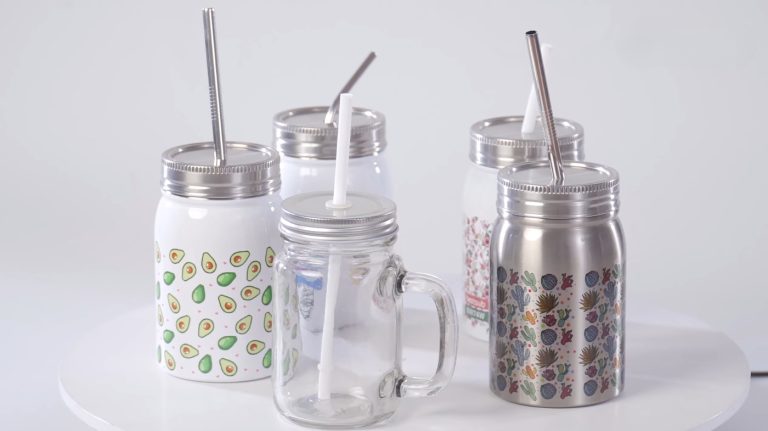
Glass mason jars with airtight lids are commonly recommended for home storage due to their wide mouth design and durable, food-safe glass.
Fresh vs Dried vs Frozen: Potency and Shelf Life
Often the differences hinge on moisture content and handling: fresh mushrooms degrade fastest because high water content accelerates enzymatic and microbial breakdown.
Dried specimens retain potency far longer when kept dry and airtight.
Frozen products vary widely; freezing fresh mushrooms causes major loss over weeks to months. Properly dried and vacuum-sealed frozen samples can remain potent for years.
You should expect rapid enzymatic hydrolysis and microbial growth in fresh tissue. Refrigeration delays but doesn’t stop oxidation or psilocin breakdown.
Drying reduces water activity, slowing chemical reactions and microbial vectors. Psilocybin stability improves if moisture, oxygen, heat, and light are minimized.
Freezing fresh induces cell rupture and freeze-thaw oxidation. Frozen, fully dehydrated, vacuum-sealed material preserves potency best.
For best results, follow established meat and food-freezing practices such as airtight packaging and storing at 0°F or below to minimize degradation.
Typical Timelines by Storage Method
Having covered how moisture, heat, light, and oxygen drive degradation, you can map specific timelines to common storage methods to predict potency loss and spoilage rates.
You’ll judge risk by water content and barrier effectiveness: fresh spoils fast, dried degrades slowly, and frozen outcomes depend on prep and seal.
- Fresh at room temp: 24–48 hours; warm climates shorten to ~24 hours.
- Fresh refrigerated airtight: 2–10 days; expect microbial slime after 5–10 days.
- Dried airtight, dark, dry: 6–24 months; potency fades gradually after 12 months.
- Dried vacuum-sealed or desiccant-packed: 1–4+ years; minimal loss if moisture excluded.
- Frozen dried, vacuum-sealed: multi-year stability; frozen fresh will lose potency rapidly.
Operating at lower temperatures and excluding moisture can significantly prolong shelf life, especially when using airtight vacuum sealing to limit oxygen exposure.
How Psilocybin and Psilocin Break Down?
Because psilocybin and psilocin are chemically unstable under common storage stressors, they degrade through distinct but related pathways that you can anticipate and mitigate.
Psilocybin, a phosphorylated prodrug, hydrolyzes to psilocin under acidic or enzymatic conditions. That dephosphorylation is relatively slow at low temperature but accelerates with heat, moisture, and microbial activity.
Psilocin, the active phenol, oxidizes readily. Molecular oxygen, light, and metal catalysts convert it to colored quinone-like products, lowering potency and producing brown discoloration.
Hydrolysis and oxidation are partly reversible only in controlled chemical settings, not in stored biomass. You should consequently minimize water, heat, oxygen, and light to slow enzymatic hydrolysis and oxidative degradation.
Recognizing that some loss is inevitable over time is essential.
How to Test or Recover Older Mushrooms Before Use?
If you’re unsure about older mushrooms, start by evaluating their physical and olfactory state: inspect for mold, sliminess, severe discoloration, or an ammonia-like or sour odor. If any of those are present, discard immediately.
When unsure about older mushrooms, check for mold, slime, discoloration, or sour/ammonia smells—discard if present.
If they look and smell acceptable, proceed with controlled tests and conservative recovery steps.
Weigh a representative sample to detect excessive moisture gain.
Visually inspect caps and stems under bright light for micro-mold.
Perform a small potency test by microdosing a minimal amount with a sitter.
Dry or re-dry using a desiccant and low-heat dehydrator to <10% moisture.
Store vacuum-sealed with oxygen absorbers in a dark, cool location.
Document dates and effects; err on the side of safety if potency or contamination is uncertain.
Frequently Asked Questions
Can Spoiled Mushrooms Cause Food Poisoning or Infections?
Yes. If you eat spoiled mushrooms, you can get food poisoning or infections.
Bacterial overgrowth and mold produce toxins and irritants that cause nausea, vomiting, diarrhea, fever, and abdominal pain.
Immunocompromised people risk invasive fungal or bacterial infections from contaminated tissue.
You should discard mushrooms that smell off, feel slimy, or show mold.
If you develop severe or persistent symptoms after ingestion, seek medical attention promptly.
Are There Legal Risks to Storing Psychedelic Mushrooms at Home?
Yes, you can land in serious legal trouble storing them at home. You’ll face criminal charges, fines, asset seizure, or eviction depending on jurisdiction.
Laws classify possession, cultivation, and distribution differently. Intent, quantity, and prior record matter. Court outcomes range from diversion programs to prison.
You should check local statutes, consult a lawyer, and avoid assuming decriminalization covers storage, transport, or sharing. Legal risk isn’t hypothetical.
Can Pets or Children Be Accidentally Poisoned by Stored Mushrooms?
Yes, pets and children can be accidentally poisoned by stored mushrooms.
You should store them in clearly labeled, childproof and pet-proof containers kept in locked cabinets.
Keep dried materials in airtight, vacuum-sealed bags with desiccants, stored high and away from food.
Supervise households where curious individuals might access cabinets.
If ingestion occurs, seek medical or veterinary care immediately and bring a sample for identification to guide treatment.
Do Mushroom Strains Differ in How Quickly They Lose Potency?
Yes, strains differ modestly in potency loss rates. You’ll find biochemical variation: some strains have higher baseline psilocybin or psilocin ratios or differing substrate moisture, which affects oxidation and enzymatic degradation.
Environmental sensitivity and water content speed decay; robust, drier strains hold potency longer.
Storage dominates outcomes, but strain-specific chemistry yields measurable differences in shelf-life and degradation kinetics under identical conditions.
Measure and store accordingly.
Can Consumption of Old Mushrooms Interact With Medications?
Yes, consuming old mushrooms can interact with medications. You risk unpredictable pharmacodynamics from degraded psilocybin and psilocin and contamination by mold or bacteria.
These factors can alter drug metabolism, potentiate serotonergic agents, or stress hepatic pathways. If you’re on antidepressants, antipsychotics, anticoagulants, or immunosuppressants, consult a clinician.
Don’t assume safety; degraded compounds and microbial toxins raise interaction and toxicity risks.
From Fresh to Finished: Know When to Let Go
Psychedelic mushrooms do degrade, so inspect them closely: mold, sliminess, off-odors, or unusual colors mean toss them. Store them dried in airtight, dark, cool conditions or freeze sealed samples to slow psilocybin and psilocin breakdown.
Expect months to a year for dried potency retention; fresh spoils in days. If you must test older material, start with tiny doses and check effects; err on the side of safety. This isn’t sorcery from 1816; handle scientifically and responsibly.