
Does Apple Juice Expire? Key Spoilage Signs to Know
Yes, apple juice does expire. Unopened, pasteurized juice can last 18-24 months when stored in a cool, dry place.
Once opened, you should refrigerate and consume it within 7-10 days. Signs of spoilage include off-odors, cloudiness, and swelling of the container.
Factors like packaging, temperature, and exposure to air affect its shelf life and quality. Understanding proper storage and spoilage indicators can help you keep your apple juice safe and fresh longer.
Key Takeaways
- Unopened apple juice typically remains safe for 18-24 months when stored properly at room temperature.
- Opened pasteurized apple juice lasts about 7-10 days refrigerated before quality declines.
- Signs of spoilage include sour or off odors, discoloration, cloudiness, mold, and container bulging.
- Exposure to heat, light, and air accelerates apple juice spoilage and nutrient degradation.
- Always discard juice showing fermentation signs, swelling, or off-flavors to ensure safety.
How Long Does Unopened Apple Juice Last?
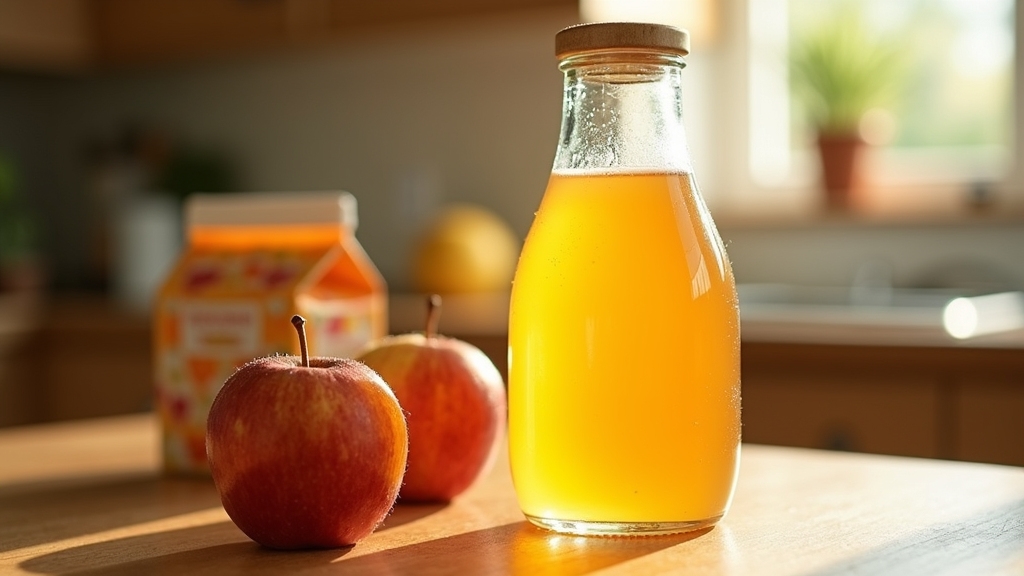
Although the exact shelf life varies by manufacturer and packaging, unopened apple juice typically remains safe and maintains quality for 18 to 24 months when stored properly at room temperature.
Unopened apple juice generally stays safe and fresh for 18 to 24 months when stored at room temperature.
Shelf-stable, pasteurized apple juice sealed in bottles, cans, or boxes can last up to two years, although many brands recommend consumption within 12 months for ideal flavor.
You should store unopened juice in a cool, dry place away from heat and sunlight to prevent quality degradation. Proper storage conditions are essential to avoid compromising the seal integrity and prolong shelf life. Shelf-stable, unopened bottles are shelf-stable and do not require refrigeration until opened.
The expiration or “best by” date indicates peak freshness, not strict safety limits.
Even past this date, if the seal remains intact and the container undamaged, the juice is generally safe, though you might notice diminished flavor or off-tastes.
Avoid any juice with bulging containers or visible spoilage signs.
Shelf Life of Opened Apple Juice
When you open a bottle of apple juice, its exposure to air and temperature changes immediately start to reduce its shelf life. Refrigerated commercial pasteurized apple juice lasts about 7 to 10 days before quality declines. The “best by” date on the packaging indicates when the quality begins to decline, helping consumers know when to use it. Proper storage in airtight containers helps maintain freshness.
Unpasteurized fresh juice spoils within 2 to 3 days due to rapid fermentation.
Freezing opened juice can extend shelf life up to 12 months, but once thawed, consume it within 3 to 5 days.
Keeping opened juice refrigerated below 40°F (4°C) and tightly sealed slows bacterial growth and oxidation. Avoid leaving it at room temperature beyond 2 hours, as that promotes contamination.
Signs of spoilage include sour taste, cloudiness, and fizzing. For ideal safety and flavor, consume opened apple juice within one week after refrigeration. This is similar to how pizza sauce shelf life is managed to prevent spoilage.
Factors That Affect Apple Juice Expiry

You know, if you want to keep apple juice fresh for longer, storing it at consistent low temperatures really helps. It slows down the growth of those pesky microbes and cuts down on oxidation, which can really extend the juice’s shelf life.
And let’s talk about packaging for a moment. Using airtight, opaque containers is a game changer! It keeps the juice away from oxygen and light, which helps preserve its quality and nutritional content. The choice of packaging material affects factors like permeability and migration, which can influence product stability and shelf life packaging impact.
Plus, the way the juice is processed matters too. Methods like pasteurization work wonders by reducing the microbial load, which means your apple juice can stay fresh for a longer time. Proper storage and handling also help maintain product functionality over time.
Storage Temperature Impact
Since temperature directly influences microbial activity and chemical stability, it plays a critical role in determining apple juice’s shelf life and quality.
At higher temperatures, microbial growth accelerates, causing turbidity, gas production, and container swelling, which sharply reduces safety and freshness.
Refrigeration at around 4°C slows microbial proliferation but doesn’t fully inhibit yeast or mold in cloudy juices. Near-freezing storage (−1.5°C) best preserves polyphenols, antioxidants, aroma, and taste, extending shelf life up to 150 days.
Freezing at −18°C slows spoilage but compromises sensory qualities.
Room temperature storage (25°C) results in rapid microbial spoilage and nutrient degradation.
Consequently, maintaining apple juice near freezing optimizes microbial control and chemical stability, maximizing both safety and quality over extended periods.
Regular monitoring and proper storage maintenance are essential to ensure the juice remains safe and flavorful throughout its shelf life.
Packaging and Processing
Beyond temperature control, the type of packaging and processing methods you choose substantially influence apple juice’s shelf life and quality.
Glass bottles reduce oxygen permeability better than plastic, preserving freshness longer. Hermetic packaging prevents oxidation and microbial contamination, while nitrogen-flushed packaging further minimizes oxidation, maintaining taste and color. Additionally, selecting packaging with microwave-safe materials can aid in convenient reheating without compromising quality.
Pasteurization at 72°C for 20 minutes effectively kills spoilage organisms, extending shelf life up to two years. High-temperature canning allows longer storage but may alter flavor. Using purpose-built pasteurisers with thermostat, timer, and alarms ensures proper temperature control to avoid undesirable flavors during the pasteurisation process (pasteurisation process).
Alternative methods like PEF preserve flavor but limit shelf life to weeks. Sanitation and deaeration during processing reduce microbial load and oxidation.
Regulatory standards mandate specific thermal treatments and microbial reductions to ensure safety. Selecting appropriate packaging and processing techniques is critical to maximizing apple juice stability and compliance with food safety regulations.
Identifying Signs of Spoiled Apple Juice
When it comes to checking for spoiled apple juice, there are a few things you really need to pay attention to. First off, take a good sniff and taste. If you notice any off-flavors, like a sour or bitter taste, that’s a red flag. And if it smells like vinegar, that’s definitely a sign that fermentation has occurred, which means the juice has gone bad.
Next, give the juice a visual inspection. Look for any cloudiness, discoloration, or even mold. These can be pretty clear indicators that the juice is contaminated and not safe to drink. Remember that signs of spoilage such as mold growth and color changes are common indicators that the juice should not be consumed.
And don’t forget about the container! If you see any swelling or hear any popping sounds when you open it, that could mean gas is building up inside due to microbial activity. That’s another strong sign that you should toss that juice out.
Off-flavors and Odors
A key indicator of spoiled apple juice lies in detecting off-flavors and odors, which signal microbial activity and fermentation.
Putrid odors suggest advanced degradation, requiring immediate disposal. It is important to store apple juice in a cool, dark location to slow spoilage and maintain quality.
Alicyclobacillus bacteria generate guaiacol, causing medicinal, smoky, or rubber-like off-flavors detectable at parts-per-billion levels even without visible changes.
These compounds develop over two to four weeks at elevated temperatures, accelerating spoilage. Proper storage conditions minimize microbial growth and slow the development of these off-flavors.
Refrigerated storage slows but doesn’t halt fermentation odors, which appear within days after opening.
Because microbial contamination often occurs invisibly, sensory analysis focusing on these characteristic off-odors remains essential for early spoilage detection and safety assessment of apple juice.
Visual Appearance Changes
Although off-flavors and odors provide critical clues, visual appearance changes often offer the earliest visible signs of apple juice spoilage. You should watch for darkening or brown spots caused by oxidation and enzymatic browning.
Cloudiness or turbidity signals microbial growth, while mold or foreign particles indicate contamination. These microorganisms originate from air or fruit surfaces and begin breaking down the juice, leading to spoilage. Proper sanitizing techniques can help prevent early microbial contamination. Gel formation and sedimentation reveal advanced spoilage stages.
| Visual Change | Cause | Implication |
|---|---|---|
| Darkening/Browning | Oxidation, enzymatic reactions | Early spoilage indicator |
| Cloudiness/Turbidity | Microbial growth (yeasts, bacteria) | Loss of clarity and quality |
| Mold/Particles | Fungal contamination | Health risk, discard immediately |
| Gel/Sediment | Microbial metabolic byproducts | Advanced spoilage, unsafe to consume |
Container Swelling Signs
Visual signs like discoloration and cloudiness often precede more tangible indicators of spoilage, such as container swelling caused by internal gas buildup.
When apple juice ferments, yeast and bacteria produce carbon dioxide, increasing internal pressure and causing plastic or glass bottles to deform visibly.
You might notice a swollen bottle or a bulging lid, both clear warnings to discard the juice immediately.
Difficulty opening the cap, popping sounds, or hissing upon opening further confirm pressure buildup from fermentation.
Bubbling and foam inside the container signal active microbial activity accelerating swelling.
Improper storage, especially at room temperature, hastens this process, while refrigeration slows but doesn’t halt it.
Always inspect sealed containers for swelling or lid deformation before use, as these are reliable, evidence-based signs of spoilage.
To help prevent spoilage, proper airflow and moisture control like that achieved through dehydrator vents can be important in food preservation.
Best Practices for Storing Apple Juice
When storing apple juice, selecting the right container considerably impacts its freshness and nutrient retention. Glass bottles are ideal due to their resistance to oxidation and ease of cleaning. Plastics accelerate spoilage and may leach chemicals. Airtight sealing is vital to limit oxygen exposure, which degrades nutrients rapidly.
Filling containers near capacity minimizes air space, reducing oxidation reactions. It is also beneficial to use smaller bottles to facilitate quicker consumption and reduce the time the juice is stored. For longer preservation, it is important to control the storage temperature carefully, as lower temperatures slow down spoilage processes.
Filling containers close to full limits air exposure, helping reduce oxidation and preserve freshness.
Consider these best practices:
Use glass bottles with wide mouths for easy sterilization and minimal oxidation. Refrigerate fresh juice immediately. Consume within 48-72 hours to preserve quality. Fill containers almost completely, leaving minimal headspace to slow nutrient loss. Avoid plastic containers to prevent chemical transfer and increased spoilage rates.
Adhering to these evidence-based steps will optimize your apple juice’s shelf life and nutritional value while maintaining its nutrient retention.
Nutritional Changes in Apple Juice Over Time

As apple juice sits over time, its nutritional profile undergoes measurable degradation, particularly in vitamin C and polyphenol content.
Vitamin C levels can decline by up to 20–30% within weeks, especially when exposed to light or air, due to oxidation accelerated by pasteurization. Proper storage techniques, such as minimizing air exposure, can help slow oxidation processes.
Polyphenols, key antioxidants, decrease steadily during storage, reducing the juice’s overall antioxidant capacity. Early apple juice exposure is associated with healthier dietary patterns and lower adult adiposity in females.
Cloudy apple juice retains more polyphenols than clear juice but still experiences losses.
Processing removes most dietary fiber and reduces B vitamins alongside vitamin C.
While sugar and carbohydrate content remain stable, antioxidant enzyme activities diminish, and markers of oxidative damage increase, indicating nutrient degradation.
Mineral levels remain relatively stable, though bioavailability may drop.
Extending the Shelf Life of Apple Juice
Although apple juice naturally degrades over time, you can substantially extend its shelf life through a combination of advanced sterilization methods, controlled temperature storage, and rigorous sanitation protocols.
Employ ultrasonic sterilization to retain ascorbic acid and volatile compounds better than conventional pasteurization, which alters taste. Store juice near its freezing point (-1 to -3°C) to inhibit microbial growth and chemical changes. Temperatures just above freezing help to extend shelf life by slowing enzymatic and microbial activity.
Implement strict sanitation from production through packaging to reduce microbial load and prevent spoilage.
Use sterile filtration (<0.2 microns) and aseptic, airtight, opaque packaging to maintain sterility and prevent oxidation.
Supplement juice with dihydroquercetin (15-19 mg/l) to inhibit oxidation, fermentation, and mold formation.
Refrigerate juice 24-48 hours and remove sediment for improved clarity and stability.
Combine low-temperature holding with sanitation to minimize microbial contamination without heat damage.
Frequently Asked Questions
Can Expired Apple Juice Be Used for Cooking or Baking?
You can use mildly expired apple juice for cooking or baking if it shows no mold, off smells, or packaging damage.
Heat during cooking neutralizes some bacteria, and acidic content helps inhibit growth.
However, avoid unpasteurized or heavily spoiled juice, as it poses contamination risks.
Always inspect the juice visually and smell it before use.
For safety, discard juice with bulging containers, discoloration, or sediment to prevent foodborne illness.
Does Apple Juice Expire Faster if Homemade Versus Store-Bought?
Think of homemade apple juice as a lively garden. Without barriers, it’s exposed to weeds (microbes) that quickly take over.
Yes, homemade apple juice expires faster than store-bought because it lacks pasteurization and preservatives, allowing microbes to multiply rapidly.
You’ll notice spoilage within 1-3 days refrigerated, while commercial juice, sealed and treated, lasts weeks.
Proper sanitation and refrigeration slow spoilage but can’t match the extended shelf life of processed juice.
How Does Apple Juice Expiry Compare to Other Fruit Juices?
Apple juice typically lasts longer than many fresh juices but shorter than highly acidic citrus juices.
You’ll find store-bought apple juice, when unopened, can last months unrefrigerated, unlike fresh juices like orange or grape that spoil within days refrigerated.
Cold-pressed apple juice lasts up to 72 hours refrigerated, similar to other juices with pH below 6.
Its moderate acidity gives it more shelf stability than less acidic juices, but less than citrus varieties.
Is It Safe to Drink Apple Juice Past Its Expiration Date?
You can safely drink pasteurized apple juice past its expiration if it’s been refrigerated and shows no off smell, mold, or discoloration.
However, unpasteurized juice or fresh cider poses higher risk due to possible pathogenic bacteria. Always check for spoilage signs and avoid consumption if uncertain, especially if you’re immunocomcompromised.
Can Freezing Apple Juice Affect Its Taste or Texture?
Think of freezing apple juice like a delicate symphony: freezing near −1.5°C preserves its aroma and taste much better than deep freezing at −18°C, which dulls flavor.
Texture changes are minimal but can cause slight softness or sedimentation, especially in pulp-rich juices.
Proper homogenization and airtight storage help maintain quality.
Ready to Reduce Waste? Know When Apple Juice Truly Expires
You shouldn’t let apple juice linger past its prime, as its quality and safety decline like a ticking clock. Unopened, it lasts several months, but once opened, bacteria can spoil it within days. Proper storage, cool, sealed, and refrigerated, helps extend its shelf life and preserve nutrients.
Always check for off smells or cloudiness before drinking. By understanding these factors, you can enjoy apple juice safely and avoid waste.