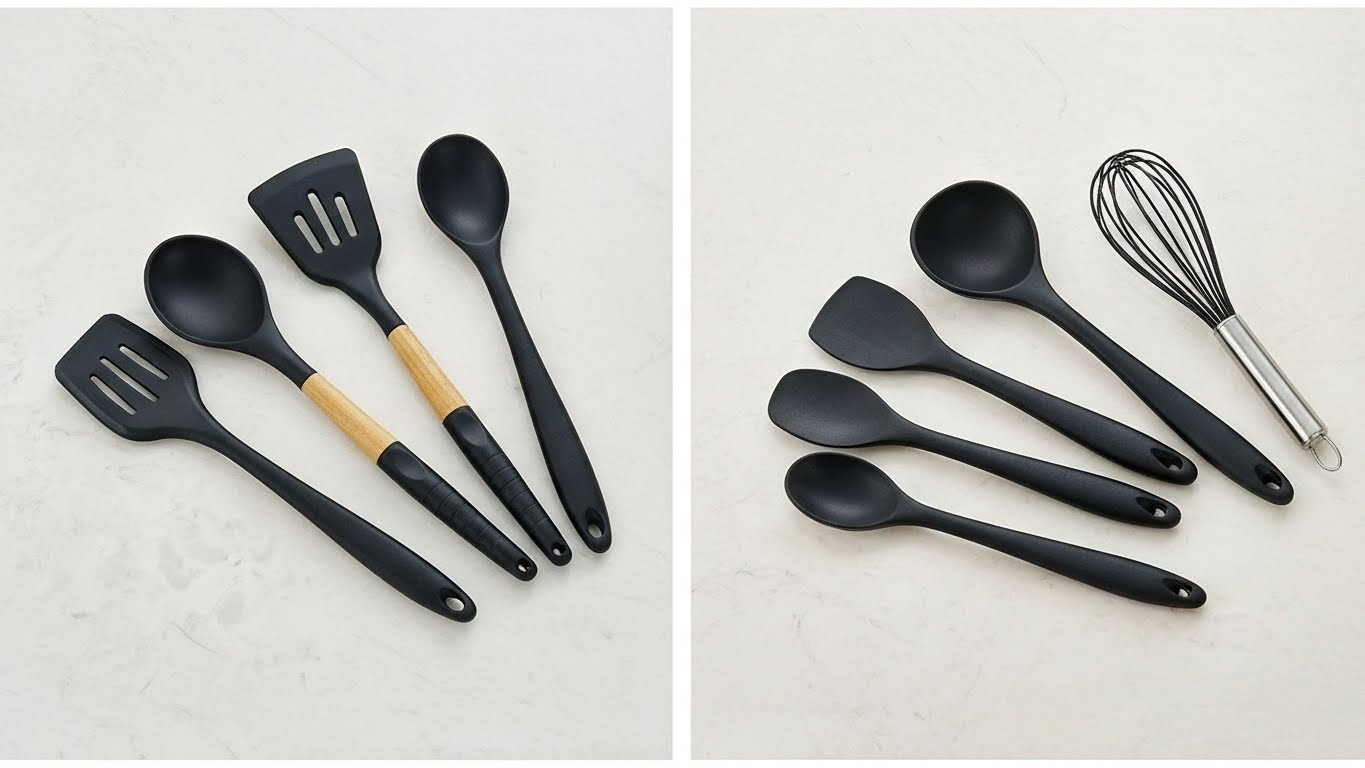
Nylon vs Silicone Cooking Utensils: A Clear Comparison
When choosing between nylon and silicone cooking utensils, know nylon heats up faster but softens near 350–400°F, risking warping and chemical release.
Silicone withstands up to 428–600°F without deforming. Silicone also resists cracking, maintains flexibility, and leaches fewer harmful substances, making it safer at high temps.
Nylon often wears out sooner, especially with heavy frying, and may contain additives like phthalates. Understanding these differences helps you pick utensils optimized for heat resistance, safety, and durability.
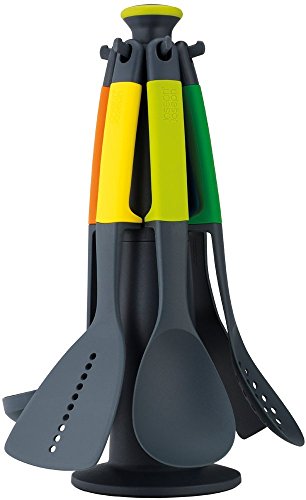
- Joseph Joseph’s elevate kitchen utensils are designed to improve hygiene and reduce mess. Weighted…
- 6-Piece utensil set includes a solid Spoon, slotted Spoon, Ladle, slotted turner, flexible turner,…
- Nylon utensils are heat-resistant up to 392°f

- FOOD GRADE SILICONE: Made of food-grade silicone, BPA-free, can use in any type of food. And it will…
- NO BEND & NO BREAK & HEALTHY FOR COOKWARE: Our kitchen utensils are more sturdy than other usual…
- HIGH TEMPERATURE WITHSTAND: The Silicone Cooking Utensils can withstand high temperatures up to…
Key Takeaways
- Silicone withstands higher cooking temperatures (up to ~428–600°F) than nylon, which softens or melts above 350–400°F.
- Nylon is prone to warping, brittleness, and chemical leaching when exposed to repeated high heat; silicone remains flexible and more stable.
- Food-grade silicone is generally safer and more inert, while nylon may release harmful chemicals like formaldehyde and contain additives like phthalates.
- Silicone’s non-porous surface resists odors and stains better than nylon, which tends to retain food aromas and discoloration.
- Both materials clean well in dishwashers, but silicone offers higher durability and heat resistance for long-term cooking utensil use.
Cooking Utensil Materials Comparison: Nylon and Silicone
| Feature | Nylon Cooking Utensils | Silicone Cooking Utensils |
|---|---|---|
| Heat Resistance | Softens around 350–400°F, prone to warping | Handles 428–600°F without deforming |
| Material Structure | Semi-crystalline polyamide, rigid feel | Elastomeric silicone, flexible core |
| Chemical Stability | Higher risk of chemical leaching under heat | More inert, minimal leaching |
| Durability Over Time | Loses strength with repeated high heat | Maintains flexibility and integrity |
| Surface Properties | Can stain and retain odors | Non-porous, resists stains and smells |
| Mechanical Strength | Stiffer, good for scraping | Softer, gentler on cookware |
| Dishwasher Performance | May degrade faster with heat cycles | Withstands repeated cleaning better |
| Food Safety Profile | Depends heavily on additives and quality | Food-grade silicone offers higher safety |
Material Composition and Manufacturing Processes
While both nylon and silicone cooking utensils serve similar functions, their material compositions and manufacturing processes differ fundamentally.
Nylon consists of polyamides like nylon-6,6, formed by condensation polymerization of diamines and diacids. This creates strong hydrogen-bonded semicrystalline structures with high tensile strength.
Its high tensile strength and impact resistance make it suitable for daily use and heavy loads in kitchen applications. Nylon utensils can sometimes face challenges related to heat resistance compared to alternatives like silicone, which affects their longevity in certain cooking environments.
Silicone, based on polydimethylsiloxane (PDMS), features a flexible silicon–oxygen backbone with organic side groups, resulting in elastomeric behavior. Its corrosion resistance and heat tolerance make it highly suited for hygiene-critical kitchen use.
Nylon feedstock comes from petrochemical monomers such as adipic acid, while silicone uses chlorosilanes converted into siloxane oligomers.
Nylon utensils undergo injection molding of melted pellets, often followed by ultrasonic welding or overmolding.
Silicone utensils are shaped via liquid silicone rubber (LSR) injection or compression molding, with vulcanization curing the material.
Each utilizes specific additives and complies with food-grade standards to guarantee safety and performance.
Heat Resistance and Thermal Performance
Because cooking utensils often face direct contact with high temperatures, understanding the heat resistance and thermal performance of nylon versus silicone is essential.
High-heat cooking demands utensils that withstand extreme temperatures without warping or melting.
Nylon softens or melts above 350–400°F (175–204°C), risking deformation during searing. Silicone withstands continuous use up to 428–600°F (220–315°C), tolerating higher pan surface temperatures without abrupt melting. Additionally, silicone is often reinforced with fiberglass mesh to enhance its durability and heat resistance.
Consider these points:
- Nylon transfers heat faster, causing it to soften quickly. Silicone’s low thermal conductivity protects it from rapid heat damage.
- Nylon becomes limp under brief heat peaks. Silicone maintains shape and resists charring.
- Repeated heat weakens nylon faster, leading to brittleness and cracking. Silicone shows slower degradation. Silicone is also non-toxic and BPA-free, making it safer for cooking applications.
- Silicone’s flexibility persists across a wide temperature range. Nylon’s firmness drops near its melting point.
Chemical Safety and Potential Leaching Risks
It’s important to keep in mind that both nylon and silicone utensils can release chemicals when they get really hot. Nylon, in particular, is more likely to break down and produce things like formaldehyde.
Plus, if the materials are of lower quality or not processed properly, you might be looking at even higher risks of leaching due to additives, pigments, and contaminants. Many consumers prefer products that are pediatrician and dermatologist tested to minimize health risks.
Silicone, however, is generally non-leaching and safer at higher cooking temperatures, making it a preferable choice for heat resistance.
Heat-Induced Chemical Release
When you expose nylon or silicone utensils to high heat, both materials risk releasing chemicals due to thermal degradation, but their thresholds and byproducts differ substantially.
Silicone tolerates up to about 482°F (250°C), beyond which volatile methylsiloxanes may emit. Nylon softens around 392°F (200°C), risking cleavage of polymer chains and release of nitrogenous compounds. Heating nylon can also make it brittle and prone to breaking, which may create spaces for bacterial growth risk of brittleness.
Consider these points:
- Silicone’s thermal breakdown produces low-molecular-weight siloxanes; nylon releases monomers and amines.
- Both materials shed particulates when heated near or above limits, especially with abrasion.
- Chemical migration varies by cooking medium polarity—oils enhance dissolution of nonpolar byproducts.
- Thermal cycling accelerates nylon degradation more than silicone, shortening utensil lifespan.
Hence, you must avoid exceeding each material’s heat tolerance to minimize chemical leaching and maintain safety.
Additives and Contaminants
Beyond heat-induced degradation, the chemical safety of nylon and silicone utensils also hinges on additives and contaminants incorporated during manufacturing.
Nylon often contains phthalates for flexibility, known endocrine disruptors, and brominated flame retardants (BFRs), especially in black nylon.
This material also harbors heavy metals like lead, cadmium, and antimony from recycled plastics.
These compounds, including polycyclic aromatic hydrocarbons in carbon black pigment, pose carcinogenic and toxic risks, particularly when leached into hot or acidic foods.
It is important to note that black plastic spatulas specifically carry significant risks due to toxic flame retardants such as deca-BDE that can leach into food.
Silicone utensils, especially lower-grade types, may contain heavy metals and unidentified additives. However, food-grade, platinum-cured silicone generally lacks BPA and phthalates and exhibits minimal leaching, and it is also preferred due to its heat resistance compared to other materials.
Comparatively, nylon utensils present higher contaminant migration risks, especially under heat and acid exposure.
High-quality silicone offers a safer, more inert alternative for cooking applications requiring chemical stability.
Food-Grade Certification Importance
Ensuring chemical safety in cooking utensils hinges on rigorous food-grade certification, which verifies that materials won’t leach harmful substances during food contact. Selecting utensils made from materials proven to be free of PTFE, PFOA, and other harmful chemicals further enhances safety by preventing toxic exposure.
For nylon and silicone utensils, certification like NSF or FDA compliance is essential to prevent heavy metal and chemical migration, especially under heat or acidic conditions.
Without it, you risk exposure to toxins from degraded coatings or polymers. Proper maintenance and avoiding damage to the utensil surface are also critical to reducing contamination risks.
To evaluate safety, you should consider:
- Certification standards met (e.g., NSF/ANSI, FDA, EU 1935/2004)
- Resistance to leaching of heavy metals and plasticizers
- Surface integrity to avoid cracks that increase contamination
- Testing under real-use conditions like high temperatures and acidic foods, reflecting thermal stability during cooking
Food-grade certification also serves as the foundation for product integrity and regulatory approval, which is crucial for long-term brand value and consumer trust.
Choosing certified utensils guarantees you avoid health hazards and maintain food purity during cooking.
Durability and Mechanical Properties
Understanding the durability and mechanical properties of nylon and silicone cooking utensils helps you select the right tool for your kitchen tasks.
Nylon, a semi-crystalline polyamide, offers higher stiffness and impact resistance, making it ideal for heavy scraping and flipping.
Nylon’s stiffness and impact resistance make it perfect for tough kitchen tasks like scraping and flipping.
However, it softens near 204°C and becomes brittle with prolonged heat exposure.
Silicone, a crosslinked elastomer with a silicon-oxygen backbone, excels in elasticity and thermal stability, tolerating up to 315°C without losing flexibility.
It resists cracking and fatigue better, thanks to its elastomeric nature, but its softer surface offers less abrasion resistance than nylon.
Chemically, nylon degrades faster under heat, steam, and detergents, while silicone remains inert and ages slower.
Similar to the contrast between carbon steel and stainless steel, material composition plays a crucial role in determining thermal stability and durability, influencing utensil performance in demanding kitchen environments.
Cleaning, Hygiene, and Maintenance Tips
You’ll find that both nylon and silicone cooking utensils clean easily in dishwashers, though their surface properties affect maintenance differently. Using proper accessories like non-stick pans can help preserve the utensils’ condition and improve their longevity.
Nylon tends to retain odors and stains, especially from aromatic or colored foods, while silicone’s non-porous surface resists buildup and odors effectively. Silicone is also generally more durable across a wider temperature range, making it a long-lasting choice in the kitchen.
For hygiene, avoid overheating nylon above 400°F to minimize chemical leaching. Silicone is safer up to 428°F but still requires caution with prolonged acid or fat exposure.
To maintain your utensils:
- Inspect nylon for cracks or discoloration before use.
- Avoid nylon on high heat to prevent warping and toxin release.
- Use silicone on non-stick pans to prevent scratches.
- Follow manufacturer care instructions for both materials.
Environmental Impact and Sustainability Considerations
When you choose nylon utensils, you’re actually relying on petroleum-based feedstocks. This means that their production contributes to greenhouse gas emissions, which isn’t great for the environment.
On the other hand, silicone is derived from silica, but its production involves an energy-intensive chemical synthesis process. So, both materials have their downsides. Additionally, silicone’s durability and heat resistance often make it a longer-lasting option compared to nylon.
Now, let’s talk about what happens when these utensils reach the end of their lifespan. Both nylon and silicone resist biodegradation, which can be a real concern. However, nylon might’ve a slight edge here because it has better mechanical recycling potential.
In contrast, silicone has limited and specialized recycling options, making it trickier to dispose of responsibly. Neither traditional plastics nor silicone are biodegradable, meaning they persist long after use and contribute to environmental waste.
Material Sourcing Impact
Considering the origins and processing of raw materials reveals key differences between nylon and silicone utensils with respect to environmental impact. Nylon derives from petrochemical monomers sourced from crude oil or natural gas, embedding fossil carbon in its structure.
Silicone originates from mined silica, undergoing metallurgical and chlorosilane chemistry with distinct energy and emission profiles. Silicone utensils tend to have a longer lifespan compared to nylon due to their superior heat resistance and durability, reducing the frequency of replacement and waste.
Additionally, selecting materials with low VOC emissions helps minimize environmental and health impacts during manufacturing and disposal.
Nylon’s complex chemical synthesis and fossil fuel refining result in higher cradle-to-gate greenhouse gas emissions. Silicone production relies on energy-intensive silicon reduction but incorporates less fossil carbon.
Nylon supply chains fluctuate with oil and gas markets; silicone depends on silica mining and specialty chemical availability. Both processes involve hazardous intermediates requiring strict containment to limit environmental and occupational risks.
Your choice affects not only utensil performance but also the sustainability of raw material sourcing.
End-of-Life Options
Evaluating the environmental footprint of nylon and silicone utensils extends beyond production to their disposal and end-of-life management.
Nylon, petroleum-based and non-biodegradable, persists in landfills for centuries, releasing microplastics and harmful chemicals like decaBDE, especially in black variants. Studies have shown that black plastic household items, including kitchen utensils, often contain toxic flame retardants such as decaBDE, which pose significant health risks.
Its recycling is limited by contamination and mixed plastics, leading to minimal recovery rates. Additionally, the waterproof and heat-resistant properties of nylon complicate breakdown and recycling processes, increasing its environmental persistence.
Silicone, also non-biodegradable, resists degradation longer than nylon, accumulating in landfills and oceans without breaking down into microplastics but still leaching toxins. Specialized recycling for silicone is scarce, rendering most utensils landfill-bound.
Both materials exacerbate waste volume and chemical pollution, but silicone’s durability extends usability, slightly delaying disposal. To mitigate environmental harm, you should prioritize biodegradable alternatives and avoid black nylon or silicone variants.
This reduces persistent pollutants and enhances sustainability beyond their functional lifespan.
Cost and Long-Term Value Comparison
Although silicone utensils typically come with a higher upfront cost, ranging from $15 to $60 per set compared to nylon’s $8 to $25, you’ll often find that their superior durability and heat resistance translate into better long-term value.
Silicone utensils cost more initially but offer greater durability and heat resistance for better long-term value.
Silicone withstands temperatures up to 260°C, reducing replacements caused by melting or warping common in nylon at around 175–204°C. Many popular silicone sets, such as the GORILLA GRIP Patented Silicone Spatula, are noted for their heat resistant and nonstick qualities that enhance performance and longevity. Nylon utensils show wear faster, especially with dishwasher use and heavy frying, increasing lifecycle costs despite lower initial price.
Consider these factors:
- Silicone’s multi-year lifespan versus nylon’s shorter service life.
- Reduced maintenance and staining resistance of silicone.
- Nylon’s higher replacement frequency due to heat damage.
Investing in silicone means fewer replacements and lower total cost over time.
Frequently Asked Questions
Can Nylon or Silicone Utensils Be Safely Used With Induction Cooktops?
You can safely use silicone utensils on induction cooktops because they withstand high temperatures up to 482°F for some models and resist melting.
They’re designed for induction and won’t scratch cookware.
Nylon utensils lack specific heat resistance data and may not tolerate induction’s higher heat as well.
Plus, some contain PFAS. So, silicone offers better durability and compatibility with induction surfaces compared to nylon, especially for high-heat cooking scenarios.
Are Nylon or Silicone Utensils Compatible With Food Processors or Blenders?
You can safely use both nylon and silicone utensils with food processors or blenders, as they’re soft and non-abrasive.
However, nylon’s stiffer nature might exert higher pressure in tight chutes, risking damage, so check your appliance’s guidance.
Silicone’s flexibility lets it conform to curved housings, reducing jams.
Avoid inserting any utensil during operation to prevent blade contact.
Both materials resist heat differently; silicone handles higher temps better, making it more durable inside appliances.
Do Nylon or Silicone Utensils Affect the Taste of Food During Cooking?
You’ll notice nylon utensils can affect taste if overheated above 400°F, as they may release chemicals causing bitterness or plastic flavors.
Silicone, however, withstands higher temperatures (up to 600°F) without breaking down, so it preserves food’s pure taste better.
Using silicone, especially with acidic or fatty foods, minimizes off-flavors. To avoid taste issues, keep nylon use below moderate heat and rely on silicone for high-heat cooking tasks.
Which Utensils Perform Better for Baking Versus Stovetop Cooking?
You’ll find silicone excels for baking, handling oven temps up to 482°F without warping, making it perfect for scraping batters and folds with its high flexibility.
Nylon, tolerating about 400°F, suits stovetop cooking better, offering superior stiffness and edge strength to flip or stir dense foods.
However, avoid prolonged contact with hot surfaces to prevent nylon melting.
Choose silicone for heat stability and baking finesse, nylon for heavy-duty stovetop leverage.
Can Nylon or Silicone Utensils Be Customized With Logos or Colors?
Yes, you can customize both nylon and silicone utensils with logos and colors.
Nylon handles accept screen or pad printing and laser engraving, though bright colors are limited by heat processing.
Silicone allows molded logos and vibrant multi-hue patterns via co-molding or heat transfers.
Both require FDA-compliant inks and pigments for food safety.
Keep in mind, custom runs need MOQ, tooling costs, and testing for durability and regulatory compliance.
Kitchen Safety and Performance Start With the Right Material
Choosing between nylon and silicone cooking utensils is like picking the right tool for a precision task. Each excels under specific conditions.
Nylon offers rigidity and affordability but risks melting at high heat. Silicone provides superior heat resistance and flexibility with a slightly higher cost.
Considering chemical safety, durability, and environmental factors helps you make an informed decision that balances performance and longevity in your kitchen arsenal.

- Set includes: Spoon, Slotted Spoon, Square Turner, and Spaghetti Server
- Safe for non-stick cookware
- High heat-resistant

- Food Grade Safe Silicone: Made of food-grade silicone, BPA-free, safe for contact with all types of…
- Nonstick Cookware Friendly: The thickened silicone head of this silicone kitchen utensils set is…
- Seamless Design No Food Residue & Dishwasher Safe: Each piece in this silicone cooking utensils set…
Last update on 2026-03-30 / Affiliate links / Images from Amazon Product Advertising API