

Best Deba Knife Reviews: Top 10 Picks for Precision Cutting
Trying to slice delicate fish with dull knives is a nightmare. Bones catch, cuts tear, and the texture you want disappears. Ordinary kitchen knives just make the mess worse with their poor grip and blunt edges.
The KAI Seki Magoroku Kinju ST boasts molybdenum vanadium steel for lasting sharpness and rust protection. The Global G-7 opts for a lightweight, balanced blade that stays sharp through heavy use.
Imarku’s single bevel blade made of high carbon stainless steel cuts cleaner and smoother. It excels at slicing through bones and flesh with ease.
| Image | Name | Editor's Rating | Price |
|---|---|---|---|

|
kai Seki Magoroku Kinju ST Japanese Deba Knife 180mm (AK-110...
|
|
|

|
Global G-7-7 inch, 18cm Oriental Knife 7" Deba, 7", Stainles...
|
|
|
|
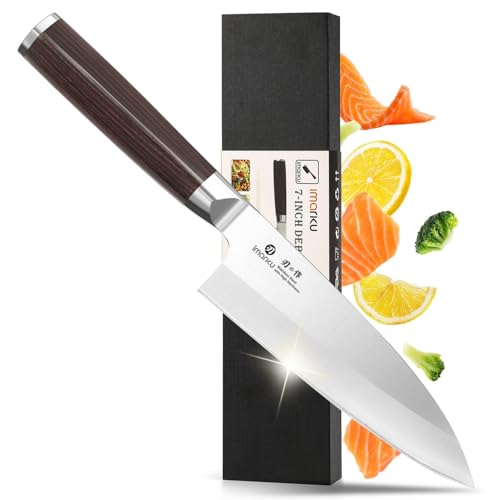
imarku 7" Deba Knife, Japanese Single Bevel, Ultra Sharp Fis...
|
|
|
|
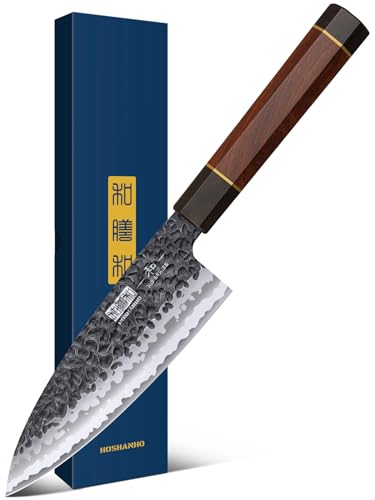
HOSHANHO 6 Inch Deba Knife, Japanese High Carbon Steel Kitch...
|
|
|
|
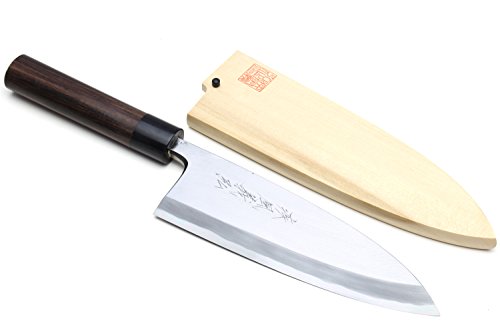
Yoshihiro Shiroko High Carbon Steel Kasumi Deba Shitan Handl...
|
|
Discover the Finest Best Deba Knife for Precision Cutting
Tackling fish preparation requires knives that combine sharpness, durability, and control. These expertly crafted deba knives offer superior performance for effortlessly breaking down whole fish and slicing delicate fillets.
1. KAI Seki Magoroku Kinju ST Precision Japanese Filleting Knife 180mm
- Material: blade body / molybdenum vanadium stainless steel cutlery, cap / nylon (heat-resistant...
- Country of origin: Japan
- Specifications: nylon cap
Cutting through thick fish bones and delicate fillets demands a tool that balances strength and finesse. With a blade forged from molybdenum vanadium stainless steel, this knife delivers exceptional durability and rust resistance without sacrificing sharpness. The 180mm length offers control whether you’re working on small or medium-sized fish.
Featuring a laminated wood handle reinforced with heat-resistant nylon, the design resists wear from moisture and repeated use. This combination maintains a steady grip through wet processing environments common in seafood preparation. Its stamped blade construction contributes to a lighter feel and nimble handling.
Japanese craftsmanship shines through in the impeccable edge geometry, optimized for clean cuts that preserve flesh texture—a crucial detail if you prioritize careful sashimi slicing. The subtle curve of the blade allows smooth chopping motions, making rigid assumptions about typical Western-style knives obsolete.
The design comes with a protective nylon cap, safeguarding the blade when stored to sustain its razor-sharp edge over time. KAI’s attention to detail ensures chefs and enthusiasts alike can confidently tackle intricate filleting tasks with minimal blade fatigue.
Best for: Seafood chefs and home cooks refining their technique for fresh fish preparation and delicate fillet precision.
Pros:
- Durable and corrosion-resistant molybdenum vanadium steel blade
- Ergonomic laminated wood handle reinforced with heat-resistant nylon
- Lightweight stamped blade for controlled cutting
- Protective nylon sheath included
- Japan-crafted for sharpness and precision
Cons:
- May feel lighter than traditional forged knives, which could impact preferences for some users
2. Global G-7 7-inch Stainless Steel Oriental Knife for Precision Fish and Vegetable Cutting
- Precisely balanced, with 7-inch blade for fish butchering and hard vegetables
- Blade made of high-tech molybdenum/vanadium stainless steel
- Edge retains razor sharpness exceptionally well
Cutting through dense fish bones or tough vegetables demands a blade that holds up without faltering. The 7-inch blade engineered by Global excels in these challenging kitchen moments, offering a balanced weight that enhances control and precision.
Crafted from a high-tech molybdenum/vanadium stainless steel alloy, the edge maintains its razor-sharp quality far longer than typical knives of this style. That means less frequent sharpening and more time focused on your culinary creations.
The handle merges seamlessly with the blade, formed from the same stainless-steel material and designed with subtle dimples to provide a secure, comfortable grip even during extended use, reducing hand fatigue.
With a total length of 12 inches and weighing just 185 grams, the knife strikes a fine balance between agility and strength, ideal for fish butchering or slicing through robust vegetables without compromise.
Global’s reputation for manufacturing professional-grade cutlery manifests clearly here, combining innovation in materials with ergonomic design for lasting performance.
Best for: Enthusiasts and chefs requiring a reliable tool tailored for delicate filleting as well as demanding vegetable prep.
Pros:
- Blade made of advanced molybdenum/vanadium stainless steel
- Edge designed to retain sharpness exceptionally well
- Comfortable, stainless-steel handle with safety dimples
- Precisely balanced for controlled cuts
- Lightweight yet durable construction
Cons:
- Stamped blade may not appeal to those preferring forged knives
3. imarku 7-Inch Japanese Stainless Steel Deba Knife with Ergonomic Pakkawood Handle for Precision Fish Preparation
- 【Professional Deba Knife】: The Japanese deba knife is thick, comprehensive, and ultra-sharp...
- 【High-End Material Composition】: This professional 7 inch kitchen knife is crafted from Japanese...
- 【Precision Single Bevel Blade】: The Japanese fish knife features a hand-sharpened single bevel...
Breaking down whole fish with ease demands a blade that can handle bones and delicate flesh without tearing. The imarku knife’s 7-inch, thick single bevel blade sharpens at an acute angle between 12° and 15°, minimizing resistance and enabling exceptionally clean cuts.
Crafted from Japanese high carbon stainless steel, this knife offers impressive edge retention and corrosion resistance, maintaining precision even under frequent use. That hardness keeps the edge sharp longer, so you spend less time sharpening during busy fish preparation.
The Pakkawood handle provides a secure grip that fits comfortably in your hand, reducing fatigue when working through larger or multiple fish. The solid assembly ensures stability, making your slicing and filleting safer and more controlled.
Designed for professional-level performance, the knife excels in tasks like filleting sashimi or cleaning fish—delivering consistently thin, even slices that preserve texture and appearance. imarku combines traditional craftsmanship with modern materials, giving you an effective tool both for home kitchens and restaurant settings.
Best for: Culinary enthusiasts needing precise, dependable fish-cutting tools for detailed sashimi and filleting work.
Pros:
- Sharp single bevel blade optimized for fish preparation
- Hard, corrosion-resistant high carbon stainless steel blade
- Comfortable, ergonomically designed Pakkawood handle
- Sturdy construction ensuring stable cutting
- Maintains edge sharpness through frequent use
Cons:
- Single bevel design may require practice for users inexperienced with this style
- Weight might feel substantial for those accustomed to lighter knives
4. HOSHANHO 6 Inch Japanese High Carbon Steel Kitchen Knife with Ergonomic Rosewood Handle for Fish and Meat
- 【Professional Japanese Deba Knife】Deba knife is a traditional type of knife used for preparing...
- 【10Cr15CoMoV Steel Core】HOSHANHO deba knife is handcrafted with a 10Cr15CoMoV steel core encased...
- 【Excllent Cutting Performance】Processed with the unique polishing technology and V-shaped...
Breaking down whole fish or slicing delicate sashimi demands a blade that marries strength with finesse. Crafted with precision, this knife features a 10Cr15CoMoV steel core wrapped in eight layers of forged stainless steel, creating a resilient edge that holds up to rigorous use.
Its V-shaped dual bevel edge sharpened at 12-15° angles tapers expertly from spine to edge, enabling effortless, razor-sharp cuts through small bones and tendons without damaging the meat’s texture. The craftsmanship incorporates cryogenic quenching with liquid nitrogen, enhancing the blade’s durability and wear resistance.
The handle combines rosewood with G10 materials for a grip that feels both secure and balanced, giving you excellent control even in wet conditions. Its ergonomic design reduces fatigue during repetitive slicing motions, important for meticulous preparation.
Weighing about 250 grams with a sturdy 4.5mm thick blade, it allows confident pressure application for deep, accurate cuts. The blade’s width resembles a santoku knife, freeing finger movement and preventing contact with the cutting surface, making it an agile tool for various kitchen tasks.
HOSHANHO delivers a handmade knife tuned to the demands of Japanese-style fish and meat preparation, blending traditional techniques with modern metallurgical advances.
Best for: Enthusiasts and skilled cooks who require precise, durable tools for filleting fish and handling delicate proteins.
Pros:
- Durable 10Cr15CoMoV steel core with layered stainless steel protects the blade
- Dual bevel V-shaped edge offers sharp, fine cuts
- Ergonomic rosewood handle enhances comfort and control
- Balance and weight support precise, deep slicing
- Blade design encourages natural finger positioning away from cutting board
Cons:
- Weight and thickness might feel substantial for those preferring lighter knives
5. Yoshihiro Kasumi Shiroko High Carbon Steel Fillet Chef Knife with Rosewood Handle 7″
- Grade: Kasumi / Knife Type: Deba (Sushi Fillet Chef)Knife
- Steel Type: Shiroko (White Steel #2) High Carbon Steel
- Blade: Single-Edged/ Blade Length : 7
Carving fish and poultry demands precision, yet many tools fall short when faced with dense bones or delicate fillets. This traditional-style precision blade from Yoshihiro offers a compelling solution with its sharp, single-edged geometry designed to move cleanly through firmer textures without crushing.
Forged from Shiroko white steel, a high carbon material revered for its ability to hold a keen edge, the blade combines durable sharpness with precise control. The 7-inch profile balances heft and maneuverability, allowing you to handle both delicate slicing and tougher butcher tasks efficiently.
Comfort meets craftsmanship in the round-shaped rosewood handle, shaped from magnolia wood, lending both visual warmth and a reliable grip that stays steady through extended use. A protective saya cover adds safety and ease of storage, keeping the edge pristine between sessions.
Yoshihiro’s Kasumi deba brings traditional Japanese metalwork and practical design into your kitchen, offering a specialized instrument that elevates your fish and meat preparation with clean cuts and reliable performance.
Best for: Culinary enthusiasts seeking a dedicated tool for intricate filleting and robust butchery tasks.
Pros:
- High carbon Shiroko steel maintains sharpness and edge durability
- Single-edged blade ideal for precise slicing and controlled cuts
- Well-balanced 7″ length suited for various kitchen tasks
- Ergonomic round rosewood handle offers comfortable grip
- Includes saya cover for blade protection and safe storage
Cons:
- The single-edged design may require practice for those accustomed to double-edged knives
6. 青木刃物製作所 Sakai Takayuki Kasumitogi Yasuki White Steel 165mm Precision Blade
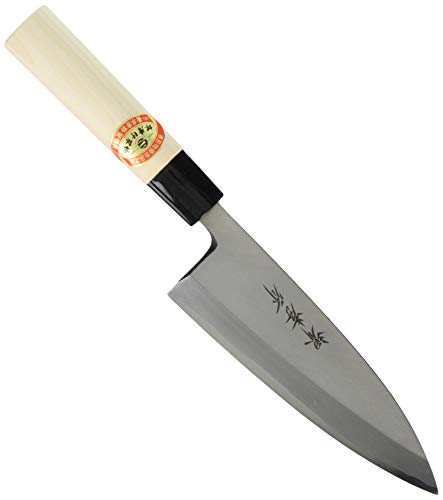
- 06036 Deba knife 165mm
- Yasuki white steel
- Handle: natural wood
Preparing fresh fish demands more than a sharp blade—it requires a knife that can handle delicate fillets without tearing. Crafted from high carbon Yasuki white steel, this 165mm blade offers exceptional edge retention and precision. Hand-forged for durability, it tackles fish preparation with reliable strength and finesse.
The natural wood handle paired with a resin helve ensures a comfortable grip that stays firm even when wet, reducing slip and enhancing control. Weight-balanced at just under 14 ounces, it feels agile without sacrificing power during cutting.
Its 6.5-inch size is ideal for detailed sizing while still versatile enough for larger fillets. Combining the traditional craftsmanship of 青木刃物製作所 with modern alloy steel benefits, this blade marries time-honored design with practical kitchen needs.
The knife is designed primarily for slicing and filleting fish, making it a strong candidate for anyone looking to improve their precision when handling seafood. The white steel blade ensures a sharp edge that holds up well under frequent use, emphasizing a balance between elegant form and functional reliability.
Sakai Takayuki’s Kasumitogi series appeals to cooks who appreciate subtle quality enhancements in their kitchen tools without unnecessary bulk. This knife conveys a quiet mastery that suits both dedicated enthusiasts and skilled chefs crafting raw fish dishes.
Best for: Home chefs or professionals dedicated to precise fish filleting and careful sashimi preparation.
Pros:
- Forged Yasuki white steel blade for sharpness and durability
- Natural wood handle offers ergonomic comfort
- Compact 165mm size balances control and versatility
- Lightweight design minimizes hand fatigue
- Traditional craftsmanship combined with modern alloy steel
Cons:
- Natural wood handle may require extra care to maintain
- Blade length might be limiting for very large fish
7. Houcho Suisin Inox Premium Western-Style Knife with Rust-Resistant Steel 6.5″ Blade
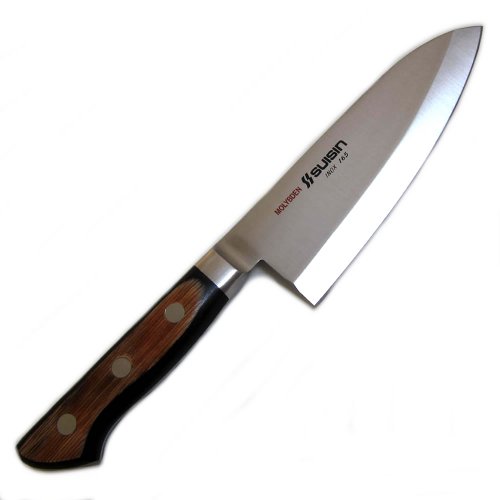
- Genuine Sakai manufactured. Extraordinary rust resistance and sharpness! Size: Deba knife...
- Materials: INOX AUS 8 (8A) steel, rust-resistant knife for commercial use. A mixture of...
- Features: The knife is made for professional use, making it not only excellent for restaurant and...
Precision slicing demands a durable and sharp blade that can maintain its edge under rigorous use. Crafted using INOX AUS 8 stainless steel, this knife boasts an incredible blend of toughness and resilience, enhanced by molybdenum content that strengthens the steel against chipping.
The 6.5-inch blade offers optimal length for handling delicate cuts while maintaining control, crucial for professional chefs and serious home cooks alike. Its rust resistance is remarkable, reducing maintenance concerns and preserving blade quality over time.
Comfort is never compromised thanks to a well-designed steel handle that delivers a secure, ergonomic grip even during extensive chopping sessions. The knife’s construction ensures it remains sharp longer and is notably easier to re-sharpen than typical blades in this category.
Manufactured in Sakai, a region with a storied legacy of knife making, this tool carries a heritage of quality and craftsmanship. Whether used in professional kitchens or for preparing intricate dishes at home, it excels in delivering clean, precise cuts with minimal effort. Its balanced weight and craftsmanship make it an essential instrument for those valuing reliability and sharpness in kitchen tools.
Best for: Culinary professionals and enthusiasts looking for a resilient, sharp-edged knife that reduces upkeep while maximizing cutting performance.
Pros:
- Exceptional rust resistance with INOX AUS 8 steel
- Durable blade enhanced by molybdenum for chip resistance
- Comfortable steel handle providing a secure grip
- Optimal 6.5-inch blade length for versatile slicing
- Manufactured in Sakai, known for expert craftsmanship
Cons:
- Steel handle might feel heavier or less traditional for some users
8. Syosaku Japanese Chef Knife with D-Shape Magnolia Handle, 8.3-inch Razor-Sharp Blade
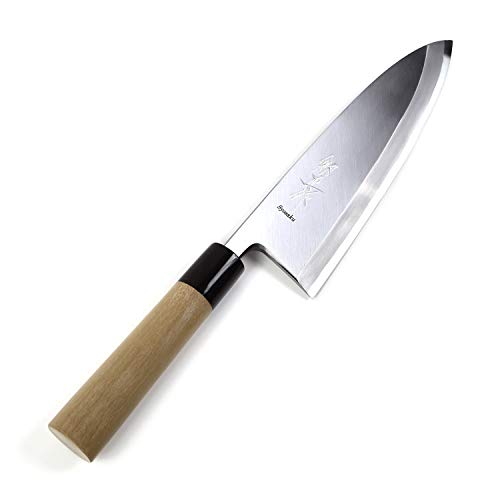
- MASTER CRAFTSMANSHIP - Handcrafted in Sakai Japan, where more than 90% of Japanese professional chef...
- RAZOR SHARPNESS - Ready to use out of the box with ruthless sharpness. The special Japanese steel...
- SUSHI FILET SPECIALIST - The Deba knife is designed to butcher and fillet whole fish. The blade is...
Filleting whole fish requires more than brute force; it demands a blade that combines sharpness with carefully balanced heft. Syosaku’s craftsmanship, refined in Sakai, Japan, delivers an 8.3-inch blade made from Yasuki Shiroko #2 steel that excels in precision cutting and clean separation of meat and bones. Hand-forged by master artisans, this knife is anything but mass-produced, embodying a level of detail and quality often overlooked in everyday kitchen tools.
The edge, hardened to HRC 62-63, creates a blade both incredibly sharp and durable, providing exceptional edge retention while remaining easy to resharpen. Its single-edged design is tailored for right-handed filleting, letting you glide through fish with surgical accuracy.
Beyond fish, the robust blade handles chicken and meats with remarkable efficiency. An ergonomically crafted D-shaped handle made of magnolia wood ensures a comfortable and secure grip, reducing fatigue during extended prep work. Syosaku’s built knife strikes a balance between traditional design and practical use, standing out in both material and form.
Maintaining this tool calls for some care: it’s best cleaned by hand, dried immediately, and lightly oiled for storage. While stains may appear over time, they will not interfere with cutting performance or food safety, preserving the blade’s functionality for years when properly maintained.
Best for: Enthusiasts and professionals craving a robust, exquisitely crafted tool for perfecting fish preparation and delicate slicing tasks.
Pros:
- Handcrafted in Sakai by expert Japanese artisans
- Super sharp Yasuki Shiroko #2 steel blade with outstanding edge retention
- D-shaped magnolia wood handle designed for ergonomic grip and balance
- Versatile for fish, chicken, and other meat slicing or filleting
- Durable construction with traditional Shinogi and Urasuki blade features
Cons:
- Single-edge design suited mainly for right-handed use, may limiting ambidextrous handling
9. Syosaku Handcrafted Japanese Chef Knife with Magnolia Wood Handle – 8.3-inch Forged Yellow Steel Blade

- MASTER CRAFTSMANSHIP - Handcrafted in Sakai Japan, where more than 90% of Japanese professional chef...
- RAZOR SHARPNESS - Ready to use out of the box with ruthless sharpness. The special Japanese steel...
- SUSHI FILET SPECIALIST - The Deba knife is designed to butcher and fillet whole fish. The blade is...
Tackling fish filleting requires a blade that slices with precision and heft in perfect harmony. Crafted by master artisans in Sakai, Japan, this knife carries exceptional hand-forged qualities renowned for enhancing culinary technique.
Boasting an 8.3-inch blade made from Yasuki Kigami Yellow Steel #2, its firm high-carbon composition offers remarkable edge retention and razor sharpness that stays effective after repeated use. The single-edged design excels in moving smoothly through fish bones and meat without crushing.
The traditional Shinogi and Urasuki blade geometry supports expert cutting motions, ensuring thorough filleting while preserving the delicate texture of ingredients. The balanced, D-shaped magnolia wood handle adds ergonomic comfort to reduce hand fatigue during prolonged kitchen sessions.
Maintaining peak performance demands thoughtful care: hand-wash only to preserve the blade’s qualities, apply oil before storage, and sharpen on suitable whetstones to extend longevity. Its elegant Kasumi finish and tailored profile bring sophistication to any culinary workspace.
Syosaku delivers a blend of historic craftsmanship and modern materials for those seeking deeply precise fish preparation tools.
Best for: Culinary professionals and dedicated home cooks desiring expertly handcrafted blades for advanced filleting and butchering tasks.
Pros:
- Hand-forged in Sakai for exceptional craftsmanship
- High-carbon Yasuki Kigami Yellow Steel blade offers lasting sharpness
- Ergonomic D-shape magnolia wood handle reduces fatigue
- Special blade geometry enables precise cuts through bones and flesh
- Elegant Kasumi finish adds visual and tactile refinement
Cons:
- Blade might requires careful maintenance to prevent staining
10. Masahiro Fukui Forged Stainless Steel Knife with 7.1-Inch Blade for Precision Cutting

- Size: Base material thickness: 0.2 inches (4.0 mm), Blade length: 7.1 inches (180 mm)
- Weight: 9.8 oz (280 g)
- Material: Blade: Original stainless steel; Material details: 0.9% carbon, 13% chrome, molybdenum...
Carving intricate shapes and leading clean cuts requires more than simply a sharp edge; it demands a blade that balances strength and precision. Masahiro Fukui delivers this balance with a 7.1-inch forged stainless steel blade crafted from a specialized alloy containing carbon, chromium, molybdenum, and vanadium.
Weighting 9.8 ounces, this tool offers a confident heft that feels neither cumbersome nor flimsy, enhancing control during delicate slicing or heavier chopping tasks. The semi-tang design improves durability without adding unnecessary bulk.
Japanese craftsmanship is evident in the blade’s medium hardness rating of HRc58-59, marrying resilience with the ability to maintain a keen edge for extended use. The single-bevel structure supports precision, allowing clean, single-stroke cuts through fish and meat.
The stainless steel handle seamlessly aligns with the blade’s silver sheen, creating a sleek, low-maintenance tool that resists corrosion and deformation. Masahiro’s design is not just about appearance but performance in professional or home kitchens.
Sharpness retention and ergonomic balance stand out, making this a knife to consider when tackling fish filleting or sashimi preparation.
Best for: Culinary enthusiasts who seek precise control and a dependable blade for preparing seafood and other fine meats.
Pros:
- Forged blade with specialized stainless steel for durability
- Balanced weight for enhanced handling and control
- Sharp single-bevel edge ideal for detailed slicing
- Semi-tang construction for strength without excess weight
- Corrosion-resistant handle for easy maintenance
Cons:
- The 7.1-inch blade may be less efficient for larger butchering tasks
- Single bevel might require skill refinement for optimal use
Key Specs Compared: Top Deba Knives for Precision Fish Cutting
| Product Name | Blade Material | Blade Length | Handle Material | Construction Type |
|---|---|---|---|---|
| Kai Seki Magoroku Kinju Stainless | Molybdenum Vanadium Stainless Steel | 180mm | Nylon | Stamped |
| Global G-7 7-inch Oriental Knife | Molybdenum/Vanadium Stainless Steel | 7 inches | Stainless Steel | Stamped |
| imarku 7-inch Single Bevel | High Carbon Stainless Steel | 7 inches | Pakkawood | Stamped |
| HOSHANHO 6 Inch High Carbon Steel | High Carbon Steel (10Cr15CoMoV Core) | 6 inches | G10 & Rosewood | Forged |
| Yoshihiro Shiroko High Carbon Steel | High Carbon White Steel (#2 Shiroko) | 7 inches | Magnolia Wood | Forged |
| Sakai Takayuki Kasumitogi Yasuki | High Carbon Steel | 165mm | Wood | Forged |
| Houcho.com Suisin Inox Western-Style | Stainless Steel (INOX AUS 8) | 6.5 inches | Steel | Stamped |
| Syosaku Sushi Fillet White Steel | Alloy Steel (Shiroko White Steel #2) | 8.3 inches | Wood, Steel, Iron | Forged |
What Makes the Best Deba Knife Cut Perfectly in Your Kitchen?

Choosing a deba knife isn’t just about picking any sharp blade—it’s about matching precision, strength, and comfort to your slicing style. These factors shape how easily you cut through fish bones and slice sashimi with clean, precise strokes.
Blade Material and Steel Quality
The blade’s steel composition is foundational for performance, controlling how sharp and durable your knife remains over time. This is a make-or-break feature since it determines resistance to rust, edge retention, and toughness.
Molybdenum vanadium stainless steel, like used in the KAI Seki Magoroku, offers excellent rust resistance while maintaining sharpness. High carbon steels—seen in the imarku and Yoshihiro models—deliver superior edge holding but require more maintenance to prevent corrosion. For instance, the Sakai Takayuki’s Yasuki white steel is prized for resilience and sharpness but demands careful care to avoid staining.
Ignoring steel quality means your blade may dull quickly or corrode, forcing frequent sharpening or replacement. A poorly chosen steel also risks chipping on fish bones, compromising smooth cuts and increasing the effort needed for preparation.
Blade Length and Thickness
Blade dimensions shape how a knife handles different sizes of fish and the delicacy required in sashimi preparation. Length and thickness influence control, cutting power, and precision.
Typical lengths range from 6 to 8.3 inches. Shorter blades, like the 6-inch HOSHANHO, excel at maneuvering smaller fish or tight cuts. Longer blades—such as Syosaku’s 8.3-inch—allow slicing larger fillets in long, even strokes. Thickness impacts strength; a thicker blade resists bending when cutting bones but can be less nimble. The imarku’s 7-inch thick single bevel blade balances bone-breaking ability with precise slicing.
Overlooking blade size and thickness risks having a knife that feels unwieldy or insufficiently robust, resulting in uneven cuts or fatigue during use.
Handle Material and Ergonomics
A handle affects grip comfort, control, and safety during prolonged use. Ergonomics influence your precision and reduce hand fatigue, crucial for meticulous slicing.
Handles vary widely: laminated nylon as on the KAI offers moisture resistance but less warmth; pakkawood on the imarku combines durability with a natural finish; rosewood, featured on Yoshihiro and HOSHANHO knives, provides a classic feel with excellent grip. Some knives like Global use stainless steel handles for a sleek, modern look but may feel less forgiving in long sessions. Handle shape—D-shape or traditional—also contributes to non-slip control.
Ignoring comfort and material risks slippery or strained grips, decreasing cutting accuracy and increasing the chance of accidents.
Edge Type and Bevel Angle
The edge design controls how smoothly the knife slices through flesh and bone. It impacts sharpness, ease of sharpening, and the type of cuts you can make.
Deba knives often feature a single bevel edge sharpened at an acute angle between 12° and 15°, as seen in the imarku and HOSHANHO knives. This allows incredibly clean cuts with less resistance but requires skillful sharpening. Some designs have V-shaped dual bevels for more versatility and durability. Single bevels excel at filleting delicate sashimi, while double bevels handle breaking down whole fish efficiently. Forged knives, like Yoshihiro’s, generally keep edges sharper longer than stamped blades.
Overlooking edge type can lead to jagged cuts, tearing delicate fish flesh or requiring excessive force on bones, damaging presentation and texture.
Construction Method: Forged vs Stamped
The knife’s construction affects its balance, durability, and weight distribution—key elements for control and longevity.
Forged knives, like those from Yoshihiro and Sakai Takayuki, are formed from a single piece of steel, making them heavier and stronger with a well-balanced feel. They tend to hold an edge longer and withstand heavy use without warping. Stamped knives, such as the Global G-7 or Kai Seki Magoroku, are cut from steel sheets, making them lighter and typically less expensive, but they may flex more under pressure. For example, the Kai’s stamped 180mm blade is prized for control but not the same robustness as forged variants.
Choosing a stamped blade when heavy-duty cutting is needed can lead to blade fatigue or chipping, while an unnecessarily heavy forged knife might tire the wrist during fine slicing.
Weight and Balance
Weight and balance dictate how much effort is needed for each cut and how comfortable the knife feels in hand. It’s often overlooked but crucial for long prep sessions.
A well-balanced deba knife centers weight between blade and handle, offering natural control and efficient cutting motions. For example, the Sakai Takayuki’s design balances the weight to reduce wrist strain. Heavy blades provide the force to break bones easily, while lighter knives offer nimbleness for delicate cuts. Weight is often linked to construction; forged knives tend to be weightier, stamped variants lighter.
Ignoring weight and balance can result in a knife that feels unwieldy or tiresome, which impairs precision and reduces overall cutting quality.
Maintenance and Sharpening Ease
Keeping a deba knife sharp requires regular maintenance, and ease of sharpening affects how often and how well you can restore the cutting edge.
High carbon steels like those in the Yoshihiro and Sakai Takayuki models retain edges longer but may oxidize if neglected, needing more careful upkeep. Stainless molybdenum vanadium steels, used in Kai and Global knives, resist rust and are generally easier to sharpen for novices. Single bevel knives demand more refined technique in sharpening tools such as whetstones, whereas double bevels are more forgiving. Some handles and finishes also need care to avoid splits or warping during cleaning.
Underestimating maintenance needs can cause your blade to dull faster or corrode, reducing sharpness and risking damage in food prep.
Frequently Asked Questions
What makes a deba knife suitable for filleting fish?
The key to a deba knife’s effectiveness lies in its thick, sturdy blade designed for cutting through fish bones and delicate flesh. Blade material like high carbon steel or molybdenum vanadium stainless steel contributes to durability and sharpness, allowing precise filleting without tearing the meat.
For example, knives with single bevel edges sharpened between 12° to 15° offer cleaner cuts and less resistance during slicing. This is crucial for both small and medium fish handled in home or professional kitchens.
Pro tip: Choose a blade length that fits your fish size; typically, 6 to 8 inches works best for most filleting tasks without sacrificing control.
How important is blade material in choosing the best deba knife?
Blade material significantly affects edge retention, sharpness, and corrosion resistance. High carbon steel and molybdenum vanadium stainless steel provide a great balance between hardness and toughness, making the knife efficient for both cutting bone and delicate slicing.
For instance, knives like the imarku and Kai Seki models use high carbon stainless or molybdenum vanadium steel, which resist rust while maintaining a sharp edge even after repeated use.
Keep in mind that high carbon blades might require more maintenance to prevent staining, so routine drying and proper storage are essential.
Does handle material affect knife performance?
Handle material impacts grip comfort, moisture resistance, and overall balance during use. Materials such as pakkawood, rosewood, or reinforced nylon combine durability with moisture resilience, helping maintain control when working with wet fish.
The Kai Seki’s laminated wood handle reinforced with heat-resistant nylon, for example, reduces wear from moisture and repeated handling, while pakkawood handles offer ergonomic comfort suited for precision work.
Avoid slippery handles by opting for textured or composite materials, and regularly clean and dry the handle to prolong its life and maintain grip safety.
Should I choose a forged or stamped deba knife?
Forged knives are typically heavier, offer increased durability, and have better balance, while stamped knives are lighter and often more affordable. Forged knives like the HOSHANHO or Yoshihiro models provide exceptional strength and longer edge retention, suitable for intensive filleting tasks.
Stamped knives—such as the Global G-7 or Kai Seki—are thinner and can offer faster, more agile cuts but might need more frequent sharpening after heavy use.
Consider what feels better for your slicing style; heavy forged knives work well for breaking down whole fish, but stamped knives offer nimble precision for sashimi slicing.
How do different blade lengths affect deba knife use?
Blade length determines control and versatility in the kitchen. Shorter blades (around 6 inches) excel at detailed cutting and maneuvering smaller fish, while longer blades (7-8 inches) handle larger fish and tougher bones more effectively.
The Syosaku’s 8.3-inch blade, for instance, provides the leverage needed for larger filleting tasks, whereas the HOSHANHO’s 6-inch blade favors delicate slicing and fine precision.
Always choose a blade length that matches the size of your usual fish and your comfort level to avoid fatigue and ensure clean cuts every time.
Refining Your Fish Preparation with the Right Deba Knife
The right deba knife elevates fish cutting from challenging to precise, allowing you to navigate bones and fillets with ease. Investing in a knife crafted from quality steel with a balanced design ensures reliable sharpness and control, streamlining your slicing experience while boosting safety.
For professionals engaged in frequent sashimi slicing, heavy, forged high-carbon knives offer unmatched edge retention. Home cooks will find lighter stamped blades ideal for versatile kitchen use and simpler maintenance. Additionally, choosing the appropriate blade length is essential for matching the fish size and cutting style needed.
Focus on careful handling by avoiding twisting motions and fully drying the knife after cleaning to maintain durability. Incorporating consistent honing will retain the blade’s edge and pairing a knife with your hand size ensures enhanced comfort and precision with every cut.
Last update on 2026-10-17 / Affiliate links / Images from Amazon Product Advertising API