
Best Milk for Making Mozzarella: Creamy Tips for Perfection
Dry, tough mozzarella kills the joy of every bite. It won’t stretch or melt right. The wrong milk wrecks the creamy softness you crave.
Kraft’s fat-free shredded mozzarella melts cleanly, no clumps or greasiness. Family Farmstead’s organic whole A2 milk creates rich cream and perfect curds that stretch beautifully.
Calabro’s part-skim mozzarella strikes a balance with smooth creaminess and lighter fat. It fits perfectly for those seeking flavor without heaviness.
| Image | Name | Editor's Rating | Price |
|---|---|---|---|
|
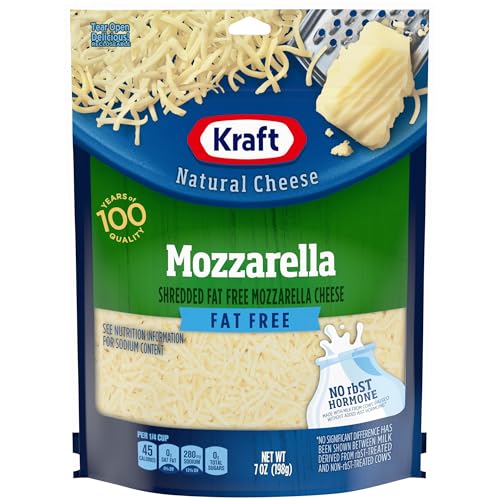
Kraft Fat Free Natural Mozzarella Shredded Cheese (7 oz Pouc...
|
|
|
|
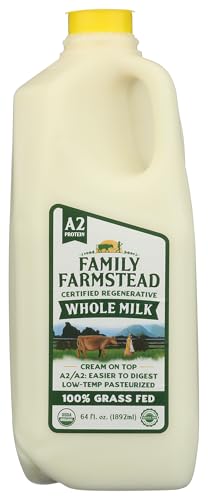
Family Farmstead Dairy, Milk Whole A2 Organic, 64 Ounce
|
|
|
|
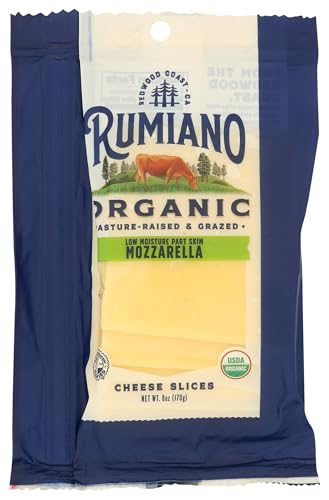
Rumiano Organic Mozzarella Cheese, Sliced, 6 oz
|
|
|
|
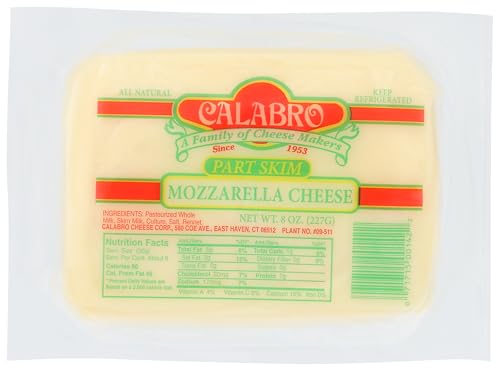
Calabro Cheese, Mozzarella Part Skim, 8 Ounce
|
|
Choosing the Best Milk for Making Mozzarella at Home
Unlock the secret to perfect mozzarella by starting with the right milk. The quality and type of milk you choose directly influence the creaminess and melt of your cheese.
1. Kraft Shredded Fat Free Mozzarella Cheese for Rich, Even Melting in Cooking
- One 7 oz bag of Kraft Shredded Fat Free Mozzarella Cheese
- Kraft Shredded Fat Free Mozzarella Cheese backed by years of cheese-making experience
- One 7 oz bag of Kraft Shredded Fat Free Mozzarella Cheese

Removing fat from cheese often sacrifices flavor, but Kraft’s approach keeps a rich cheese taste despite a lean profile. This shredded mozzarella dissolves with consistent melting and smooth texture, ideal for dishes that demand even coverage and effortless incorporation.
Crafted with cheese-making expertise, this option provides sprinkling convenience that reduces preparation time without compromising the overall taste experience. Its shredded form means no clumping and easy distribution across pizzas, pastas, or salads.
Kraft’s formula balances health-conscious choices with culinary function, allowing you to enjoy the experience of mozzarella without the added fat. Its natural profile is a subtle reminder that lighter cheese can still hold onto essential qualities of traditional mozzarella.
By using Kraft, you leverage years of brand mastery designed specifically to bring out cheese’s best traits in a fat-free version. It’s about upgrading meals with a trusted product that works seamlessly with your cooking style.
Best for: Those who appreciate the flavor of mozzarella but want a leaner cheese option that melts and sprinkles evenly for diverse dishes.
Pros:
- Maintains robust, rich cheese flavor despite no fat
- Shredded for quick, even melting
- Easy to sprinkle evenly on recipes
- Backing of Kraft’s extensive cheese-making knowledge
- Supports lower-fat dietary preferences without flavor loss
Cons:
- May not fully replicate the creaminess of higher-fat cheeses
2. Family Farmstead Dairy Organic Whole A2 Milk Rich in Cream and Natural Goodness
Mastering a creamy, luscious cheese starts with the quality of your milk. Family Farmstead Dairy offers organic whole milk that delivers a natural richness essential for smooth, elastic textures. The A2 protein variant behaves more gently, often resulting in a more satisfying curd formation during cheesemaking.
Farmstead dairy practices ensure milk with excellent fat content and freshness, critical for artisan-quality batches. Such properties enhance the stretch and melt characteristics without needing additives or extra steps.
Using organically sourced whole milk gives you the pure, untouched flavor profile that elevates homemade cheese. This milk’s careful handling also supports a cleaner, more authentic outcome, capturing true dairy nuances.
Family Farmstead Dairy’s A2 whole milk is a thoughtful choice if you’re refining your craft and prioritizing higher digestibility and full-bodied taste. It’s a dependable ingredient for those who want their cheese to stand out with a creamy, authentic flair.
Best for: Cheesemakers desiring rich, organic milk that promotes smooth curd texture and vibrant flavor
Pros:
- Organic and A2 protein factor aids in gentler curd setting
- Consistently rich fat content for creamy texture
- Freshness preserved through careful farmstead processing
- Supports authentic flavor without artificial additives
- Enhances elasticity and melt of cheese
Cons:
- May require refrigeration and handling attention due to freshness
3. Rumiano Organic Sliced Cheese Crafted for Fresh, Creamy Melts – 6 OZ
- Rumiano Organic Mozzarella Cheese, Sliced, 6 oz
Capturing the essence of dairy simplicity, Rumiano delivers sliced cheese that highlights natural creaminess and smooth melting qualities. Untapped in many recipes, the right dairy often defines the texture and stretch of your favorite creamy cheese delights.
Harnessing organic standards, this sliced variety lends itself well to crafting soft, elastic cheeses at home or enhancing fresh dishes with rich, milky undertones. You’ll notice how the wholesome purity contributes to a more delicate and luscious mouthfeel, often lost with less thoughtfully sourced ingredients.
Rumiano’s dedication to natural dairy processing enhances the cheese’s ability to mimic traditional curd stretching and melting patterns, elevating your homemade creations with a silky, supple finish. Superior creaminess and subtle tang mark this product as ideal for blending into delicate cheese-making endeavors.
Organic certification ensures quality free from synthetic additives, supporting a clean ingredient profile. Each slice offers consistent texture, promising ease in layering or melting applications.
Best for: Those who appreciate using wholesome, organic dairy to craft or complement soft, stretchy cheese dishes requiring smooth melt and fresh taste.
Pros:
- Organic dairy source boosts flavor authenticity
- Slices offer convenient portion control
- Consistent, creamy texture aids melting
- Supports delicate cheese-making processes
- Free from artificial additives and preservatives
Cons:
- May provide less curd resilience for those seeking a firmer stretch
4. CALABRO CHEESE Authentic Part-Skim Mozzarella Crafted with Premium Milk
- Exclusively selected and passionately sourced from farmers and producers around the world
- No hydrogenated fats, high-fructose corn syrup or added MSG
Finding the right balance in your cheese starts with the milk, and CALABRO CHEESE takes care of that foundation. Sourced from dedicated farmers globally, their part-skim mozzarella is made from milk that supports a creamy texture without excess fat. This carefully chosen milk contributes to the cheese’s smooth melt and rich flavor.
Crafted without hydrogenated fats or artificial additives like high-fructose corn syrup or MSG, the purity of the milk shines through. The selective sourcing plays a subtle but crucial role in achieving a clean, fresh taste in your culinary creations.
Enjoy the reliable consistency that Calabro brings to your kitchen, allowing you to integrate it seamlessly into dishes requiring a fresh, stretchy cheese. The careful fat balance in this product means it stretches beautifully without becoming greasy.
Because the milk is so thoughtfully selected, your homemade creations benefit from an elevated texture and flavor profile that makes a noticeable difference in quality.
Best for: Home cooks looking to create fresh cheese dishes with a smooth melt and balanced richness.
Pros:
- Carefully sourced milk from global farms ensures quality and flavor integrity.
- No hydrogenated fats or artificial additives for a clean, natural product.
- Part-skim formulation balances creaminess and meltability.
- Smooth, stretchy texture ideal for melting on various dishes.
- Consistent flavor profile suitable for fresh cheese recipes.
Cons:
- Partial skim milk might offer less richness compared to full-fat equivalents for some users.
- The specific source variations could cause minor taste differences batch to batch.
Quick Guide: Top Milk and Cheese Products for Making Mozzarella Feature Analysis
| Product Name | Milk Type | Fat Content | Form |
|---|---|---|---|
| Kraft Fat Free Mozzarella Shredded | Not Specified | Fat Free | Shredded |
| Family Farmstead Organic Whole A2 Milk | Organic Whole A2 Milk | Whole Milk (approx. full fat) | Liquid |
| Rumiano Organic Mozzarella Sliced | Not Specified | Not Specified | Sliced |
| Calabro Part-Skim Mozzarella | Not Specified | Part-Skim (reduced fat) | Block |
What Makes the Best Milk for Making Mozzarella Shine?

Getting mozzarella just right hinges a lot on the milk you pick. Each type comes with its own set of characteristics that can make or break that stretchy, creamy dream cheese texture. Here’s a breakdown of what to zero in on when hunting for the milk that delivers the magic.
Fat Content: The Backbone of Creamy Texture
Fat content in milk is a major player in mozzarella crafting. It directly affects the creaminess and melt quality of your cheese. With mozzarella, you want enough fat to support elasticity and richness without overwhelming the texture.
Milk labeled as whole typically contains around 3.25% fat, providing a richer base for that supple, pliable curd. Part-skim milks strip some of the fat away, generally landing near 1.5-2% fat, resulting in a firmer cheese that still melts well but is less rich. Fat-free options, missing the milkfat completely, can hamper the depth of flavor and texture because moisture increases and fat molecules that add silkiness disappear.
Ignoring fat content often means ending up with mozzarella that’s either too dry and crumbly or overly dense and rubbery. Opting for a milk with controlled fat (like part-skim or whole) can keep your cheese pliant and lush, while zero-fat milk can sap the creamy satisfaction mozzarella thrives on.
Milk Protein Type: Influences Curd Strength and Stretch
The type of protein in milk influences how well the curds form and stretch, which is at the heart of mozzarella’s signature pull. Different proteins react uniquely during acidification and heating, making this factor crucial for achieving the ideal cheese texture.
A2 milk contains a variant of beta-casein that can generate a gentler coagulation process. This can translate into smoother curds that bond without being tough or brittle. For example, Family Farmstead’s Organic Whole A2 Milk offers these proteins, helping to enhance both the texture and melt quality during cheesemaking by facilitating elastic strands that don’t snap easily.
Using milk with less suitable protein types or mixed profiles may yield curds that are either too soft or break apart during stretching. The “wrong” protein profile limits that perfect, glossy mozzarella pull, leaving a cheese that’s harder to handle and less enjoyable in texture.
Milk Freshness: A Prime Determinant for Flavor and Yield
Freshness of milk cannot be overstated when making mozzarella. As milk ages, enzymes and bacteria begin to alter its delicate balance, impacting flavor and curd development.
Fresh milk contains an optimal ratio of natural lactose, proteins, and fat, allowing acidification and rennet action to proceed predictably. For instance, raw or ultra-fresh organic milks from farmstead dairies often still have the vitality to produce far creamier and more flavorful mozzarella than milk that’s been sitting on shelves for days.
Neglecting milk freshness often leads to muted flavor, weaker curd formation, and reduced cheese yield. Stale or long-aged milk can also cause off-flavors, resulting in mozzarella that lacks that fresh, sweet milky scent and taste essential for artisan-quality cheese.
Organic and Additive-Free Milk: Purity That Speaks in Every Bite
Milk free from artificial additives and chemicals helps preserve natural flavors and maintains the integrity of your mozzarella. Organic milks typically ensure that cows are raised without synthetic hormones or antibiotics, and feed is free from pesticides.
For example, options like Rumiano’s organic sliced cheese and Family Farmstead’s organic milk reflect these protocols, which tend to maintain a cleaner, purer milk profile. This purity means fewer off-flavors and a wholesome, milky palette that shines in your homemade cheese.
Milk laden with additives or sourced from questionable practices may carry residual flavors or contaminants that alter fermentation and melting behavior. This can cloud the taste, texture, and even melting consistency, robbing mozzarella of its fresh character and smooth stretch.
Milk Form: Liquid vs. Pre-Processed Cheese and Their Roles
The form your milk or dairy product comes in matters, especially depending on your mozzarella-making approach. Liquid milk, as used traditionally, offers control over fermentation, curdling, and acid development.
Using liquid whole or part-skim milk allows artisans to manage the cheesemaking progression intimately, from acidifying the milk to stretching the curd. On the other hand, pre-processed cheeses like shredded or sliced mozzarella provide convenience but at the cost of flexibility and often fermentation control. Kraft’s shredded fat-free mozzarella or Calabro’s part-skim block cheese exemplify ready-made options that melt well but don’t offer the canvas of raw milk for curd crafting.
Relying exclusively on processed forms limits your ability to customize stretch and texture and may lock you out of certain flavor nuances. Using fresh milk preserves your ability to influence every step, resulting in mozzarella that truly fits your taste and texture ideal.
Frequently Asked Questions
What is the ideal fat content in milk for making mozzarella?
Milk fat influences mozzarella’s creaminess and stretch. Whole milk with higher fat content usually yields a richer texture and better melt, while lower fat can result in a firmer, less elastic cheese.
For example, milk labeled as organic whole A2 milk contains the full fat necessary to produce soft, stretchy curds ideal for traditional mozzarella.
When choosing milk, prioritize options with higher fat like whole or part-skim; avoid fat-free milk if you want authentic texture and flavor.
Is organic milk better for mozzarella making?
Organic milk often comes with fewer additives and fresher qualities, which can improve curd formation and overall taste in mozzarella. The purity in organic milk supports a cleaner, more natural flavor profile.
Brands like Family Farmstead offer organic whole A2 milk, which not only delivers natural goodness but also a favorable protein structure for smooth melting.
Use organic milk when possible, but also check for freshness and fat content; fresh milk outweighs organic status if it’s older.
Why is A2 milk often recommended for mozzarella?
A2 milk contains a variant of beta-casein protein that can affect digestion and cheesemaking. Its gentler protein structure usually leads to smoother curd formation and a better melt.
Many artisan cheesemakers favor A2 milk because it tends to yield mozzarella that is more elastic and creamy compared to regular A1 protein milk.
Try sourcing milk specifically labeled as A2 for mozzarella, especially if you experience curd inconsistencies or want a silkier cheese texture.
Can shredded or sliced mozzarella cheeses be used to make fresh mozzarella at home?
Pre-shredded or sliced mozzarella is intended for cooking and ready use, but not ideal for making fresh mozzarella from scratch. These products often have additives and processing that affect the cheese’s ability to form curds properly.
For example, Kraft’s shredded fat-free mozzarella offers convenience in melting but lacks the key milk proteins and fats necessary to create authentic fresh mozzarella.
Use raw whole or part-skim milk, not processed shredded or sliced cheeses, to craft fresh mozzarella with the right stretch and texture.
How does the form of milk affect mozzarella cheese production?
Milk’s form, usually liquid, is crucial since fresh curds develop from fresh milk proteins and fats. While block or shredded mozzarella cheese can melt well, they lack the raw components needed for cheesemaking.
Family Farmstead’s organic liquid whole A2 milk provides a natural base for creating fresh mozzarella with optimal elasticity, unlike block cheeses such as CALABRO or pre-shredded options.
Ensure you start with fresh, liquid milk designed for cheesemaking rather than processed cheese forms for authentic mozzarella results.
Crafting Creamy Mozzarella Begins with Milk Choice
Choosing the ideal milk is crucial for achieving mozzarella with superior creaminess and stretch. The texture shifts dramatically when using milk with the right fat level and protein quality, resulting in elastic curds that define artisanal mozzarella. Selecting fresh whole organic A2 milk or high-quality part-skim milk infuses the cheese with rich flavor and supple body, far beyond what low-fat alternatives offer.
Artisan cheese makers focused on luscious, authentic mozzarella will find whole A2 organic milk indispensable for its natural creaminess. Those seeking a lighter yet flavorful mozzarella might opt for part-skim milk varieties, which balance taste and fat content effectively. Convenience buyers might consider processed fat-free options, though these lack the traditional texture.
Begin your mozzarella journey by sourcing fresh, cold milk formulated for cheese crafting and warming it with care to protect delicate proteins. Avoid rushing temperature changes to prevent tough curds, and stay clear of pre-shredded low-fat cheeses as they disrupt curd formation. With attention to these details, you can ensure a smooth, richly textured mozzarella every batch.
Last update on 2026-10-19 / Affiliate links / Images from Amazon Product Advertising API