Best Sourdough Book for Beginners: Master Baking Today
A failed sourdough loaf can leave you with dense bread and wasted ingredients. Endless kneading or confusing starter steps only add to the frustration. Simple, clear instructions are often missing in beginner guides.
Artisan Sourdough Made Simple focuses on minimal kneading for easy, flavorful loaves. The Perfect Loaf takes a science-first approach, teaching hydration and fermentation for consistent bread. Starter Sourdough fills the gap by walking you through creating and maintaining a strong starter step-by-step.
| Image | Name | Editor's Rating | Price |
|---|---|---|---|

|
Artisan Sourdough Made Simple: A Beginner's Guide to Delicio...
|
|
|

|
The Perfect Loaf: The Craft and Science of Sourdough Breads,...
|
|
|

|
Starter Sourdough: The Step-by-Step Guide to Sourdough Start...
|
|
|
|
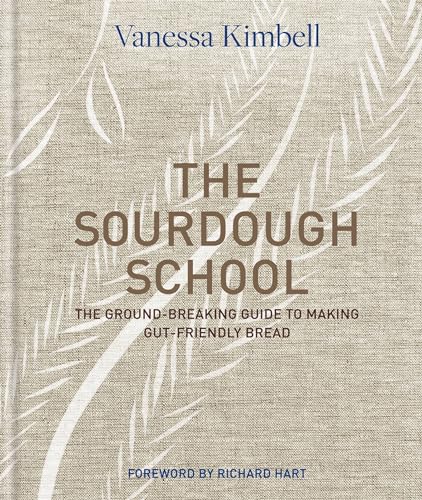
The Sourdough School: The Ground-Breaking Guide to Making Gu...
|
|
|

|
The Sourdough Whisperer: The Secrets to No-Fail Baking with ...
|
|
Essential Sourdough Books Every Beginner Should Explore
Mastering sourdough baking starts with the right guidance. These expertly crafted books simplify the artisan bread-making process, perfect for novices eager to create delicious homemade loaves.
1. Artisan Sourdough Made Simple by a Trusted Baking Expert for Easy Handcrafted Bread

Starting your sourdough journey can feel overwhelming when faced with complex techniques and endless kneading, but reliable guidance changes everything. This book breaks down the process into manageable steps that emphasize ease without sacrificing flavor.
Discover how minimal kneading can still yield rich, crusty loaves packed with depth and character. Each recipe focuses on practical methods that build confidence as you master the basics of natural fermentation.
With clear, approachable instructions, the author provides insight into nurturing your starter and understanding dough development. The techniques shared are suited to home bakers eager to create artisanal bread without unnecessary complexity.
Artisan Sourdough Made Simple supports learning through incremental progress, making delicious sourdough attainable even for those new to baking. The book naturally enhances your skills while allowing plenty of room for personal creativity and adjustment.
Strong emphasis on minimal effort kneading and straightforward troubleshooting tips make it a functional companion as you develop your craft.
Best for: Beginners interested in approachable, handcrafted sourdough techniques that keep preparation simple and enjoyable.
Pros:
- Clear, beginner-friendly instructions
- Focus on minimal kneading for ease
- Detailed starter maintenance advice
- Encourages natural fermentation understanding
- Adaptable recipes for home bakers
Cons:
- May offer fewer advanced techniques for experienced bakers
- Some recipes might require extra patience due to fermentation times
2. The Perfect Loaf by Maurizio Leo – Mastering Artisan Sourdough Baking with Ease
Learning to create truly flavorful artisan loaves can feel like navigating a maze without a map. The Perfect Loaf breaks down those complexities by revealing the craft and science behind sourdough baking. Its detailed guidance turns mystifying processes into manageable steps.
Carefully crafted instructions help you build confidence while exploring naturally fermented breads and even sweets. The approachable explanations make it easier to achieve consistent rises and crusts that look and taste professional.
Featuring insights into fermenting, shaping, and baking, this volume from Maurizio Leo emphasizes practical knowledge over gimmicks. You gain a deeper understanding that helps transform your kitchen into a true artisanal bakery corner.
Throughout the book, key challenges are deconstructed, revealing how patience and technique combine for exceptional texture and flavor development. You won’t just follow recipes—you’ll grasp the science behind sourdough’s magic.
Best for: Beginners eager to develop authentic, hands-on sourdough baking skills with clear, expert guidance.
Pros:
- Comprehensive coverage of sourdough baking fundamentals
- Clear, step-by-step instructions for beginners
- Focuses on the science enhancing baking outcomes
- Covers a variety of breads and related baked goods
- Encourages deep skill development and learning
Cons:
- May require patience and attention to detail which might challenge casual bakers
3. Starter Sourdough by Melissa Johnson – Complete Guide to Crafting Sourdough Starters and Breads
Finding reliable guidance can transform how you approach baking naturally leavened bread. Navigating the complexities of sourdough starters can feel overwhelming without clear, straightforward instructions.
Melissa Johnson’s Starter Sourdough offers a practical, step-by-step approach to cultivating and maintaining a robust sourdough starter. The book breaks down essential techniques with approachable explanations, making it easier to build confidence in your baking.
Expect detailed insights on creating diverse breads, including crusty loaves, classic baguettes, and even pancakes that carry the distinct tang of natural fermentation. The instructions prioritize simplicity without compromising the authentic sourdough experience.
Readers will appreciate the clear progression from starter creation to final bake, including troubleshooting tips that help stabilize your baking routine. With Starter Sourdough, you gain more than recipes — you gain a dependable process that demystifies the art of artisan bread.
Best for: Home bakers eager to master natural fermentation with a thorough, easy-to-follow reference.
Pros:
- Comprehensive coverage from starter to various baked goods
- Step-by-step instructions that simplify complex fermenting concepts
- Includes recipes beyond bread for diverse sourdough uses
- Practical troubleshooting advice to overcome common issues
- Accessible language suitable for first-timers
Cons:
- Techniques may require patience and practice for some beginners
4. The Sourdough School Guide by The Sourdough School – Essential Craft for Gut-Friendly Bread
Mastering sourdough can feel like navigating a maze without guidance. The Sourdough School presents a clear path, unraveling the art and science behind naturally leavened bread with approachable steps.
Discover methods that focus on gut-friendly fermentation to create bread rich in flavor and easier on digestion. The book challenges the notion that sourdough baking requires expert-level skill or obscure ingredients.
Recipes build from the ground up, empowering you to nurture a living starter and understand its rhythms. Each chapter deepens insight into how simple adjustments affect texture and crust, making complex techniques accessible.
The Sourdough School’s expertise shines through practical advice on ingredients and timing, offering hands-on tips to help avoid common pitfalls. Embrace mindful baking habits that turn every loaf into a sensory experience rather than a trial.
Best for: Home bakers aiming to create wholesome, flavorful bread with confidence and clarity.
Pros:
- Clear, step-by-step guidance on sourdough basics
- Focus on gut-friendly fermentation benefits
- Insights into starter care and maintenance
- Recipes tailored for gradual learning
- Practical tips to troubleshoot baking challenges
Cons:
- May require patience for beginners to fully grasp fermentation concepts
- Technique focus might feel detailed for casual bakers
5. The Sourdough Whisperer: Master Artisan Baking with No-Fail Recipes and Tips
- The Sourdough Whisperer: The Secrets to No Fail Baking with Epic Results
- ABIS BOOK
- Page Street Publishing
Unlock the art of crafting artisan bread with confidence in your own kitchen. The Sourdough Whisperer reveals no-fail baking secrets that transform flour and water into deeply flavorful, crusty loaves.
Discover how to nurture starters with ease, avoiding common pitfalls that often discourage newcomers. This guide demystifies the fermentation process so you can develop robust flavors and perfect textures without guesswork or stress.
Woven throughout this book are carefully crafted recipes designed for gradual learning, allowing you to build skill and patience as you go. The approachable methods encourage experimentation while keeping success within reach.
Inside, you’ll find expert guidance from top baking pros, emphasizing simple steps that lead to consistently epic results. The Sourdough Whisperer by The Sourdough Whisperer brand delivers clarity and support that new bakers often seek but seldom find.
Best for: Home cooks eager to develop artisanal baking skills with dependable techniques and supportive instruction.
Pros:
- Step-by-step instructions tailored for beginners
- Clear explanations of starter maintenance and fermentation
- Focus on reliable, achievable recipes
- Emphasis on flavor and texture development
- Expert tips embedded to build confidence
Cons:
- Techniques might feel slow-paced for those seeking quick results
6. The Sourdough Bible by Sourdough Shop – Ultimate Home Bread Baking Guide
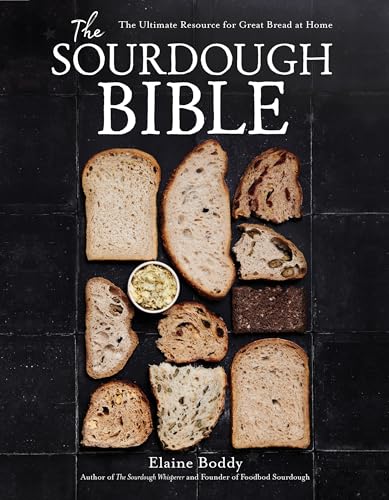
Unlock the secrets of artisanal breadmaking with a comprehensive guide crafted for home bakers. This resource dives deep into the nuances of sourdough preparation, offering clear, accessible guidance that demystifies a seemingly complex craft.
Surprisingly, mastering sourdough doesn’t require years of experience or professional tools. Instead, focusing on essential techniques and understanding natural fermentation transforms your kitchen into a bakery.
Featuring the expertise of the Sourdough Shop, this book emphasizes hands-on learning and practical tips that prioritize results over complicated jargon. You’ll quickly grasp how to nurture a starter and manage dough consistency for consistent success.
Rich with detailed explanations and vivid illustrations, it highlights the importance of fermentation timing and ingredient quality. These insights equip you with the skills to bake bread with a crisp crust, airy crumb, and distinctive flavor that only true sourdough offers.
Every step is broken down to avoid overwhelm, making the process approachable while encouraging experimentation. Expect a gradual build-up of confidence as you progress from novice baker to skilled artisan.
Best for: Individuals eager to explore natural bread fermentation and gain thorough practical knowledge without prior experience.
Pros:
- Comprehensive coverage of sourdough basics and advanced techniques
- Clear, step-by-step instructions with expert tips from the Sourdough Shop
- Focus on natural fermentation and starter maintenance
- Includes troubleshooting advice for common baking challenges
- Rich illustrations aiding visual learning and technique mastery
Cons:
- May require dedication of time to fully absorb techniques
- Focuses on traditional methods which might feel slow for instant gratification seekers
7. Sourdough Cookbook for Beginners by Home Baker’s Guide – Stepwise Fermented Bread Recipes

Take the mystery out of creating artisan fermented loaves with detailed, easy-to-follow instructions designed for novices. This guidebook breaks down the complex process into manageable steps, helping you build confidence with every rise and bake.
Discover how to nurture wild yeast starter cultures and master hydration control, two areas often overlooked but critical for achieving ideal crumb and crust texture. The book’s gradual approach empowers beginners to successfully navigate fermentation challenges.
Home Baker’s Guide emphasizes practical techniques and troubleshooting tips that hone your intuition as a home fermenter. You’ll glean insights into ingredient selection and shaping methods that elevate your homemade breads beyond basic recipes.
With clear explanations paired with supportive visuals, this cookbook is more than instructions—it’s a foundation for developing your baking skills and appreciation for naturally leavened breads. Expect to unlock consistent baking successes while enjoying the rewarding ritual of sourdough making.
Best for: New bakers aiming to confidently start their fermented bread journey with structured guidance and practical wisdom.
Pros:
- Step-by-step introduction simplifies complex fermentation processes.
- Focus on wild yeast starter care enhances baking control.
- Includes troubleshooting tips to overcome common beginner mistakes.
- Clear visuals support learning and technique refinement.
- Encourages skill development beyond recipe following.
Cons:
- Could require patience from those expecting quick results.
- May delve into technical details that some novices find challenging initially.
8. Sourdough Every Day by Artisan Home: Master Active and Discard Starter Baking
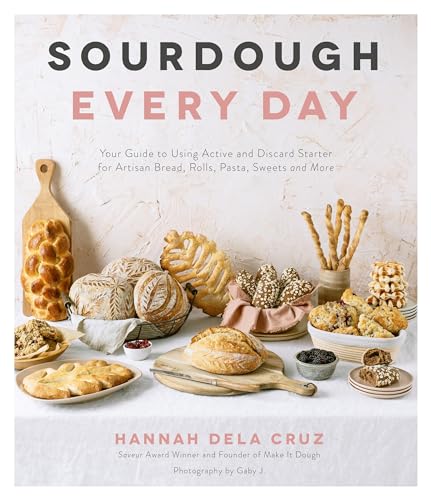
Unlock the secrets of creating artisan bread and more using active and discard starter techniques. Sourdough Every Day takes you beyond traditional bread baking, guiding you through making rolls, pasta, and even sweets with natural fermentation.
The book demystifies starter maintenance, emphasizing hands-on methods that breathe new life into your baking routine. You’ll discover how to transform discard starter into delicious, resourceful meals, reducing waste without compromising flavor.
Each chapter delivers straightforward instructions paired with practical tips, helping you build confidence while exploring diverse recipes. Leveraging the subtle science behind fermentation, the book offers insight into achieving a perfectly balanced crust and crumb every time.
Crafted for home cooks eager to deepen their understanding, this guide doesn’t just focus on bread but expands the possibilities to a variety of delectable baked goods. Embrace the art of natural leavening and elevate your kitchen prowess with Artisan Home’s approachable style.
Best for: Home cooks eager to experiment with artisan baking and maximize starter use in creative ways.
Pros:
- Comprehensive guidance on managing active and discard starters
- Varied recipes beyond traditional bread including pasta and sweets
- Clear, approachable instructions ideal for developing skills
- Emphasis on sustainable baking and reducing waste
- Insightful tips to optimize texture and flavor in each bake
Cons:
- May require some prior familiarity with sourdough basics for best results
- Recipe variety might feel overwhelming for those seeking simple bread-only focuses
9. The Beginner’s Guide to Sourdough by Craftive Press – Master Artisan Bread Baking

Unlock the mysteries that often discourage those new to bread crafting with a guide that reveals successful baking techniques without overwhelming jargon. This manual breaks down complex processes into straightforward steps, ensuring your efforts yield consistent, quality loaves.
Carefully structured, the book delivers insights into starter cultivation and dough handling that can impact the texture and flavor more than many realize. Craftive Press focuses on practical advice that skips the fluff and delivers core knowledge.
Discover how minor adjustments can transform your results, from baking environment to ingredient choices, fostering a deep understanding of what affects sourdough’s rise and crumb. The resource’s approach helps you develop intuition rather than rely solely on rigid recipes.
Without the need for specialized equipment, this guide equips you to produce artisan-style breads in your own kitchen, transforming dough turning into a rewarding ritual. Expect a balance between science and simplicity that challenges the assumption that advanced skills are mandatory.
Best for: Home bakers eager to develop foundational artisan bread skills and demystify sourdough baking nuances.
Pros:
- Clear explanations for complex sourdough techniques
- Emphasis on troubleshooting and adapting to variables
- Focus on natural ingredients and traditional methods
- No need for specialized baking tools
- Encourages experiential learning and confidence
Cons:
- May require patience with detailed processes for quick learners
- Not heavily illustrated, which might be less ideal for visual learners
10. Sourdough Starter for Beginners by Mastering Art of Fermentation with Clear Recipes
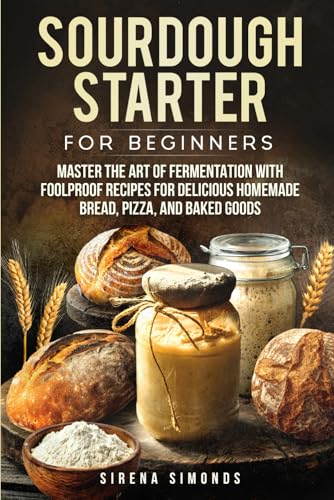
Starting out with fermented dough can feel overwhelming, especially when knowing how to nurture the culture is crucial. The process requires precision, patience, and the right guidance to transform simple ingredients into a flavorful, airy loaf.
This book walks you through every step to develop a strong, vibrant starter without the guesswork. Its detailed recipes help you create not only bread but also pizza and other baked treats with consistent results. By following the methods shared here, you’ll build confidence in each batch you prepare.
Featuring step-by-step instructions, it clarifies common pitfalls that beginners often face, ensuring your efforts yield reliable fermentation outcomes. Its easy-to-read approach helps you understand the natural science behind sourdough, making the journey as enjoyable as the delicious results.
With guidance from this resource, you’ll unlock foolproof techniques that allow homemade baking to become less daunting and more rewarding. The inclusion of various baking options adds versatility to your kitchen creations.
Enjoy each loaf knowing you’ve developed consistent starter maintenance skills and expanded your baking repertoire smoothly. The author’s practical experience brings clarity and depth to this traditional craft.
Best for: Those embarking on their first sourdough baking adventures who want straightforward, dependable guidance for tasty, homemade breads and pastries.
Pros:
- Clear, step-by-step instructions tailored for novices
- Includes recipes beyond bread, like pizza and other baked goods
- Focuses on building and maintaining a healthy starter
- Explains fermentation science in approachable terms
- Practical tips reduce trial-and-error frustrations
Cons:
- May require patience to fully master fermentation nuances
Key Specs Compared: Top Sourdough Books for Beginners
| Product Name | Focus Area | Techniques Covered | Recipe Types Included |
|---|---|---|---|
| Artisan Sourdough Made Simple | Minimal Kneading hand-crafted bread | Basic mixing, shaping, fermentation | Traditional loaves, easy recipes |
| The Perfect Loaf | Science-based sourdough craft | Detailed fermentation, hydration control | Breads, sweets, and artisan variations |
| Starter Sourdough | Step-by-step starter creation | Starters, mixing, baking, pancakes | Loaves, baguettes, pancakes, more |
| The Sourdough School | Gut-friendly bread baking | Fermentation science, health focus | Breads optimized for digestion |
| The Sourdough Whisperer | No-fail baking秘诀 | Techniques to ensure success | Reliable loaf recipes |
| The Sourdough Bible | Comprehensive home bread resource | Extensive baking methods | Wide loaf variety |
| Sourdough Cookbook for Beginners | Step-by-step fermented bread | Basic fermentation, bread prep | Breads, rolls, flatbreads |
| Sourdough Every Day | Active & discard starter recipes | Using discard, diverse baking | Breads, rolls, pasta, sweets |
What Should You Look for in the Best Sourdough Book for Beginners?

Picking the right sourdough book can mean the difference between frustration and excitement on your baking journey. The best guides break down complex fermentation techniques into clear, manageable steps. Knowing what features to prioritize ensures you find a resource that genuinely fits your learning style and baking goals.
Clear and Simple Step-by-Step Instructions
This is the backbone of any beginner-friendly sourdough book. When instructions are precise and broken down into digestible segments, it reduces intimidation and boosts confidence. A good book will translate intricate processes like mixing, proofing, and baking into straightforward actions anyone can follow.
Look for books that emphasize methodical sequencing—like those explaining starter cultivation before jumping into baking. For example, Starter Sourdough offers detailed steps to nurture your sourdough culture, guiding you to build a strong foundation without guesswork.
Ignoring clarity often leads to missteps that produce failed loaves or wasted ingredients. Without clear instructions, beginners might struggle with timing, consistency, or understanding when dough is ready, fostering frustration rather than success.
Focus on Starter Cultivation and Maintenance
The sourdough starter is the heart of every loaf, a living culture requiring nurturing. Books that focus on starter creation teach how to cultivate wild yeast effectively and maintain it over time. This foundational skill is crucial to reliable baking outcomes.
Materials like flour type, water quality, and feeding schedules are often explained with practical rationale. For instance, Melissa Johnson’s Starter Sourdough dives deep into creating a robust starter with stepwise feeding guides and troubleshooting tips, making fermentation science approachable.
Overlooking starter guidance can cause inconsistencies in rise, flavor, and crumb structure. Poor starter health results in dense, flat bread or failed fermentations, which can halt your sourdough ambitions early on.
Recipes Tailored for Beginner Skills
Recipes should fit the baker’s experience level to build confidence and skills. Beginner sourdough cookbooks often feature simple formulas with forgiving timelines and basic ingredients. This approach helps newcomers get comfortable with key techniques without feeling overwhelmed.
Books like Artisan Sourdough Made Simple highlight gentle kneading and easy shaping. These recipes keep physical effort low but still deliver rich flavor. Such methods make sourdough approachable and satisfying for novices.
Starting with overly complex recipes can lead to frustration and mistakes. Sticking to straightforward ingredients and steps protects motivation. By following beginner-friendly recipes, bakers develop solid foundations that prepare them for more challenging baking adventures.
Explanation of Fermentation Science Without Jargon
Fermentation science is all about the natural processes that turn dough into bread. Beginners often find the subject daunting, but clear explanations can make it accessible and even enjoyable. Basic guides that explain fermentation step-by-step help bakers build confidence without drowning them in complex terms.
A good example is The Perfect Loaf, which breaks down concepts like hydration and yeast activity in a straightforward manner. This approach sheds light on how dough consistency and proofing times influence the texture and flavor of the bread. It’s like lifting the veil on sourdough’s magic.
With a solid grasp of these principles, bakers can better predict dough behavior. This leads to more consistent results—like an even crumb and a well-developed crust. Mastering fermentation basics turns guesswork into intention, making every bake more satisfying and reliable.
Emphasis on Troubleshooting and Common Pitfalls
For new sourdough bakers, having advice on spotting and resolving frequent errors is invaluable. Books that cover troubleshooting turn mishaps into useful lessons instead of frustrating setbacks.
The Sourdough Whisperer excels with foolproof recipes paired with practical tips to dodge pitfalls like under-proofing, overly sticky dough, or flat loaves. These pointers help bakers tweak their process and save batches that might have felt hopeless.
Failing to learn from common mistakes leads to repeated problems that crush patience and motivation. Being able to identify what went wrong and how to correct it supports continual growth and makes baking more enjoyable. This knowledge builds confidence, which is key to long-term success.
Variety of Recipe Types to Expand Skills Gradually
A solid beginner sourdough book offers more than just basic bread recipes. It includes a mix of styles like rolls, flatbreads, and even sourdough sweets. This variety helps keep the baking process exciting and encourages steady skill growth.
Books like Sourdough Every Day go beyond the usual loaves by showing how to use discard starters in innovative ways, such as pasta and pastries. This not only promotes sustainable baking but also widens your kitchen creativity and experience.
Sticking to a limited recipe set can stall progress and make baking feel repetitive. Diverse recipes offer graduated challenges that maintain enthusiasm while steadily building well-rounded sourdough expertise.
Frequently Asked Questions
Which sourdough book is best for someone just starting out?
Choosing a sourdough book that simplifies the process is key for beginners. Books like Artisan Sourdough Made Simple and Sourdough Cookbook for Beginners break techniques into easy steps that build confidence without overwhelming you. These guides focus on foundational skills and approachable recipes.
For example, Artisan Sourdough Made Simple emphasizes minimal kneading, making it less intimidating for new bakers. This reduces the labor but still delivers authentic flavor.
Tip: Pick a book with clear photos or illustrations to help you visualize each step more effectively.
How important is understanding sourdough starters for beginners?
Mastering the sourdough starter is fundamental because it’s the natural leavening agent that drives fermentation and flavor development. Books like Starter Sourdough provide comprehensive, stepwise guidance to help maintain a lively starter consistently.
For instance, Melissa Johnson’s guide carefully explains nurturing starters, turning a common stumbling block into manageable routines. This knowledge improves your baking reliability.
Warning: Avoid skipping starter maintenance tips—neglect can lead to weak fermentation and poor loaf texture.
Are there sourdough books that focus on the science behind baking?
Certain books provide a deeper dive into the science and craft of sourdough, making complex processes clearer. The Perfect Loaf offers detailed explanations on fermentation and hydration control, ideal for those curious about the why behind the bake.
This approach helps you anticipate and troubleshoot outcomes, like achieving consistent crusts or crumb textures, by understanding the factors involved.
Pro tip: Even if you’re a beginner, familiarizing yourself with these scientific basics can accelerate your progress.
Can sourdough baking be done with a focus on health or digestion?
Sourdough baking can absolutely be tailored to support your gut health and digestion. Using traditional fermentation methods, you encourage natural enzymes to break down gluten and phytic acid, making the bread easier to digest.
Guides like The Sourdough School Guide emphasize these nutritionally beneficial techniques. Their recipes focus on creating loaves that are gentle on the stomach while still bursting with flavor.
Choosing the right sources that highlight fermentation science and ingredient quality can lead to bread that supports your digestive system effectively.
What features make a sourdough book reliable for avoiding common baking failures?
A reliable sourdough book offers clear, no-fail recipes that help bakers avoid common pitfalls. It breaks down the process into simple steps, so you won’t feel lost or overwhelmed.
Detailed guidance on starter care and fermentation times is key. These are areas where many beginners struggle, and a good book will explain them with patience and clarity.
Following these trusted techniques leads to more consistent results, building your confidence and keeping frustration at bay.
Finding the Best Sourdough Book for Beginners
Choosing the right sourdough book can make all the difference in your baking journey. A good guide breaks down the fermenting and shaping process, turning it from a challenge into an enjoyable ritual. The goal is to create rich, artisan bread without feeling overwhelmed by complicated instructions.
Some books focus on minimal kneading and simple recipes, perfect for hands-on bakers. Others dive into sourdough science or offer step-by-step starter care for more detailed learning. Look for a guide that suits your style so you can bake confidently.
Following clear steps keeps your starter healthy and fermentation on track. This leads to loaves with consistent texture and good rise, avoiding common pitfalls like dense crumb or uneven baking.
Last update on 2026-10-17 / Affiliate links / Images from Amazon Product Advertising API