
Best Vegetarian Cookbooks for Every Plant-Based Cook
Struggling to find vegetarian cookbooks that balance simple ingredients with bold flavors? Many popular guides overwhelm with complex steps or rare items that clutter your shopping list. It’s tough to keep plant-based cooking fresh, flavorful, and accessible without feeling lost in the recipe pages.
PlantYou Cookbook focuses on straightforward, oil-free dishes packed with clear visuals for easy shopping and prep. Rodale Books Love Real Food emphasizes everyday ingredients and flexible substitutions for diverse diets.
Big Vegan Flavor fills the gap by tackling flavor depth and expert techniques, perfect for cooks ready to experiment beyond basics.
| Image | Name | Editor's Rating | Price |
|---|---|---|---|
|
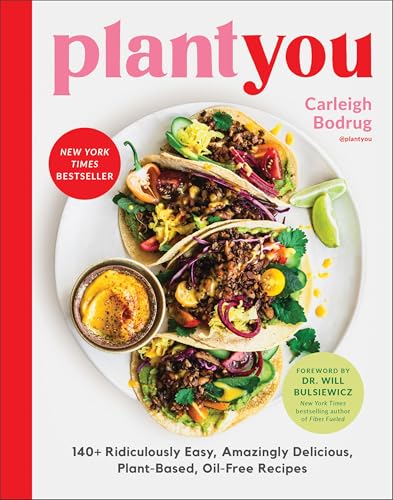
PlantYou: 140+ Ridiculously Easy, Amazingly Delicious Plant-...
|
|
|

|
Love Real Food: More Than 100 Feel-Good Vegetarian Favorites...
|
|
|

|
The Complete Plant-Based Cookbook: 500 Inspired, Flexible Re...
|
|
|

|
Be A Plant-Based Woman Warrior: Live Fierce, Stay Bold, Eat ...
|
|
|

|
The Complete Vegetarian Cookbook: A Fresh Guide to Eating We...
|
|
Essential Vegetarian Cookbooks for Home Cooks
Creating satisfying vegetarian meals becomes easier with cookbooks that combine simplicity, flavor, and accessible ingredients. The choices reviewed here offer diverse approaches to plant-based cooking suited for everyday kitchens.
1. PlantYou Cookbook by Carleigh Bodrug Featuring 140+ Simple Oil-Free Plant-Based Recipes

Opting for a whole-food, oil-free diet often feels intimidating, especially when complex ingredients and elaborate steps crowd the recipe pages. This guidebook by Carleigh Bodrug breaks through that complexity with clear, straightforward dishes that don’t sacrifice flavor.
Each recipe comes accompanied by a vivid infographic detailing ingredients visually, making grocery trips and meal prep noticeably easier. You’ll find over 140 recipes spanning everything from nourishing breakfasts and hearty dinners to flavorful cheese sauces and desserts—all free from oil yet brimming with taste.
PlantYou is crafted for both beginners and those wanting lighter, cleaner meals without feeling deprived. The approachable recipes encourage cooking with familiar ingredients readily available at most stores. The inclusion of nutrition insights at the back empowers meal planning that feels balanced and intentional.
One aspect that stands out is how well the recipes satisfy diverse palates—even skeptics of plant-based cuisine appreciate the comforting familiarity of dishes like Cauliflower Wings or the Big BOSS Burrito. This book melds practical meal planning with culinary inspiration, anchored by Bodrug’s social media experience.
PlantYou by Carleigh Bodrug offers a refreshing take on plant-focused cooking, making it easier to embrace healthful eating without complicated steps or obscure ingredients.
Best for: Individuals seeking effortless, oil-free, plant-focused cooking with recipes suitable for both newcomers and seasoned plant-eaters alike.
Pros:
- Helpful ingredient infographics streamline shopping and preparation
- Wide recipe variety covering meals, snacks, sauces, and desserts
- Approachable oil-free formulations that still deliver satisfying flavor
- Clear nutritional information to support health-conscious choices
- Visually rich, full-color layout enhances usability and inspiration
Cons:
- Some dishes might require added seasoning for those used to bold flavors
2. Rodale Books Love Real Food Cookbook Featuring Diverse Wholesome Plant-Based Recipes
Preparing fresh, wholesome meals can sometimes feel overwhelming when recipes call for unfamiliar ingredients or complex steps. In this collection by Kathryne Taylor, over 100 meatless dishes are presented with an emphasis on accessibility and everyday ingredients found in typical supermarkets. Whether adapting for gluten-free, dairy-free, or egg-free diets, the recipes come with thoughtful substitutions, broadening their appeal.
Featuring dishes from hearty salads to comforting soups, the cookbook invites you to appreciate the natural flavors of sustainable ingredients. Taylor’s approach encourages a relationship with food that is both nourishing and enjoyable, integrating whole grains, vibrant vegetables, and creative dressings that redefine staples like kale and quinoa.
With contributions from America’s renowned vegetarian food blogger, Cookie + Kate, this volume includes vibrant photography and practical cooking tips, making it easier to bring these recipes into your kitchen. Expect satisfying, flavor-rich meals like pineapple pico de gallo and honey whole wheat pizza dough that invite repeated visits to the cookbook.
Beyond the recipes, you find stories that add personality and warmth, including appearances by Taylor’s rescue dog sous-chef, which adds a lighthearted touch to your cooking experience.
Love Real Food supports the idea that eating plant-based need not be complex or restrictive but can be a source of joy and good health.
Best for: Home cooks seeking a variety of approachable, healthful vegetarian and vegan dishes with adaptable options for special diets.
Pros:
- More than 100 recipes with substitutions for gluten-free, dairy-free, and egg-free diets.
- Recipes use common, readily available ingredients with clear instructions.
- Supportive storytelling and engaging photographs that clarify preparation steps.
- Includes a wide range of recipes from snacks to full meals and desserts.
- Practical for both beginners and more experienced plant-based cooks.
Cons:
- Some recipes require longer preparation times, which might not suit fast-paced schedules.
3. America’s Test Kitchen Complete Cookbook for Flexible, Flavorful Plant-Based Meals
Exploring plant-centered cooking doesn’t have to mean sacrificing taste or stretching your budget. With over 500 recipes crafted for adaptability, this collection makes preparing meals without meat simple and satisfying. The book presents options that suit vegan, vegetarian, or anyone curious about eating more plants, providing easy ingredient swaps to tailor each dish.
Emphasizing practical cooking methods, you’ll find robust guidance on maximizing vegetable flavor and boosting nutritional value, while stocking your kitchen with essentials designed for plant-based staples. America’s Test Kitchen shares tested approaches to handling plant-based meats and dairy alternatives without losing depth in your meals.
The global inspiration behind these recipes introduces diverse cuisines, helping you build balanced plates rich in variety. A dedicated section breaks down modern plant-based eating strategies, including grocery shopping and smart storage tips to keep your pantry ready.
Each recipe includes notes explaining why the techniques work, providing clarity that reduces guesswork and improves your results. You’ll also encounter creative touches like plant-based cheese sauces and sauces that elevate simple ingredients to convincing alternatives, making it easier to enjoy plant-centered meals with family or guests.
Best for: Home cooks looking for diverse, approachable plant-focused recipes that accommodate varying dietary choices with clear guidance.
Pros:
- Extensive collection of over 500 adaptable recipes
- Clear vegan and vegetarian variations with substitution tips
- Hands-on advice for enhancing flavor and nutrition
- Comprehensive overview of plant-based pantry essentials
- Insightful explanations supporting recipe techniques
Cons:
- The cookbook’s large size might feel overwhelming for those seeking quick-start guides
4. Avery Cookbook Featuring Ann and Jane Esselstyn’s Plant-Powered Recipes for Vibrant Health
Fueling your meals with vibrant, plant-based ingredients can transform everyday cooking into a lively expression of health and resilience. Ann and Jane Esselstyn bring decades of experience and vitality to the kitchen with a collection that champions nourishment without relying on meat or dairy.
Filled with over 125 recipes, this book blends rich culinary creativity with the science-backed benefits of plant-focused diets. Bold flavors like Mint Chip Outta Sight Brownies and Sweet Potato Cashew Ricotta Lasagna invite you to enjoy meals that satisfy the palate without compromise.
Engaging personal stories and practical guidance make it easier to embrace dietary habits that support women’s unique nutritional needs. The Esselstyn duo emphasizes recipes designed for busy lifestyles, ensuring that wholesome eating fits into your daily routine.
Published by Avery, this cookbook also highlights how dietary choices can promote vitality across generations. You’ll find step-by-step instructions and helpful insights that encourage confident preparation of plant-based meals whether you are a beginner or looking to expand your culinary repertoire.
Best for: Enthusiastic individuals seeking flavorful plant-centric meals that support long-term health and wellness.
Pros:
- Wide variety of flavorful, health-conscious recipes
- Focuses on women’s nutritional wellness through plants
- Includes practical, accessible dishes for everyday cooking
- Incorporates personal anecdotes that inspire culinary confidence
- Beautiful photography enhances recipe appeal
Cons:
- May require sourcing of some less common plant-based ingredients
- Some recipes might need seasoning adjustments to suit individual tastes
5. America’s Test Kitchen Complete Vegetarian Cookbook with 700 Flavor-Packed Recipes
Finding flavorful, satisfying plant-based meals that fit busy schedules can feel like a challenge. This extensive collection offers 700 recipes crafted with variety and taste in mind, directly addressing common frustrations around vegetarian cooking lacking appeal or simplicity.
Embracing a rich assortment of options, America’s Test Kitchen created a guide featuring a spectrum of dishes—from quick 45-minute preparations to vegan and gluten-free selections—allowing a tailored approach without compromising deliciousness. Detailed photos highlight techniques and critical steps, smoothing the learning curve for cooks at all levels.
Carefully developed recipes bring grains, beans, and diverse vegetables to the forefront, going beyond basic sides to main courses that stand on their own. With insights into ingredient choices, storage, and preparation, the book acts as both a reference and source of inspiration. The inclusion of chapters dedicated to essentials like pasta and legumes leaves no stone unturned in expanding your cooking skills.
America’s Test Kitchen has packed this volume with resources that encourage exploring plant-based cooking confidently and creatively. Whether looking for dependable weeknight meals or dishes that introduce new flavors, this collection offers a spectrum of thoughtfully developed possibilities.
Best for: People expanding their weekly menu with wholesome, vegetable-forward recipes that balance convenience and taste.
Pros:
- Extensive selection with 700 thoughtfully tested recipes
- Inclusive of quick, vegan, and gluten-free options
- Exceptional visual aids for cooking techniques
- In-depth coverage of grains, pasta, and tofu preparation
- Trusted expertise from America’s Test Kitchen chefs
Cons:
- Nutritional information for recipes might be missed by those tracking intake
- Some recipes include animal products, which could affect strictly plant-only dieters
6. Ten Speed Press Cool Beans Cookbook Featuring 125 Creative Plant-Based Recipes

Exploring the culinary potential of legumes often leads to repetitive dishes, but this collection by Ten Speed Press shakes up your kitchen with 125 innovative ways to prepare beans, chickpeas, lentils, and pulses. Recipes reflect global inspirations, from the Mediterranean to South America, injecting fresh energy into staple ingredients.
Joe Yonan, a James Beard Award-nominated author, offers a clear guide to cooking beans across various methods including stovetop, slow cooker, and Instant Pot. His approach helps you achieve consistently tender textures with intact skins, which can be surprisingly tricky.
Filled with vibrant spices and bright flavors, the recipes range from hearty mains to snacks and even desserts, demonstrating the versatility of plant proteins often underestimated in traditional vegetarian cooking. You’ll find dishes like Smoky Black Bean Chili and Harissa-Roasted Carrot Dip that highlight beans as the centerpiece rather than just an accompaniment.
The book also addresses practical concerns with advice on storage, freezing, and making the most of leftovers, appealing to busy cooks eager to maximize their efforts. Beautiful photography supports the text, making many recipes visually inviting.
Cool Beans stands out for embracing beans not simply as health food staples but as ingredients for exciting, flavorful meals that do not rely on substituting meat but stand confidently on their own.
Best for: Home cooks and meal preppers who want to transform everyday legumes into diverse, satisfying dishes without relying on complicated or niche ingredients.
Pros:
- Clear instructions for multiple cooking appliances
- Diverse, globally inspired recipe collection
- Strong focus on beans as versatile, delicious bases
- Helpful tips for preparation, storage, and ingredient swaps
- Engaging and approachable writing by an award-nominated author
Cons:
- May include fewer recipes for meat eaters wanting traditional meat-infused legume dishes
7. Ten Speed Press Presents The Moosewood Cookbook 40th Anniversary Edition for Seasonal Vegetarian Cooking

Simplifying wholesome, plant-based meals has empowered home cooks for decades with recipes that blend tradition and innovation. This landmark edition features handwritten, illustrated recipes originally created for a cooperative eatery, preserving the original charm while inspiring fresh culinary ideas.
Each page offers seasonal and accessible ingredients inviting you to experiment with flavors from Eastern and Mediterranean cuisines. Mollie Katzen’s approachable style means even beginners can achieve satisfying dishes without fuss.
The 256-page book includes beloved classics like curries, casseroles, and vibrant salads that have become staples for many. Simple preparation methods align with a modern lifestyle while honoring natural textures and tastes, making it easier to embrace a plant-forward pantry.
Ten Speed Press has refined this edition with a durable hardcover and an updated introduction reflecting on the book’s journey over 40 years. While it steers clear of bread-baking, it excels at creating hearty, vegetable-centered meals that engage both novice and experienced cooks alike.
The Moosewood Cookbook continues to hold its place among influential culinary works, making it a useful resource rather than just another recipe collection.
Best for: Enthusiasts seeking approachable and authentic vegetarian dishes that celebrate fresh, seasonal produce without complicated steps.
Pros:
- Classic recipes with timeless appeal and cultural diversity
- Handwritten and illustrated format adding personal touch
- Emphasis on simple, seasonal ingredients
- Durable hardcover with updated introduction
- Suitable for cooks at various skill levels
Cons:
- Limited focus on bread baking may disappoint some users
- Recipes primarily favor certain regional flavors that might not fit every palate
8. Avery Big Vegan Flavor Cookbook Featuring 150 Recipes and Expert Plant-Based Techniques

Exploring plant-based cooking often stumbles over a lack of depth in flavor and technique, leaving many dishes bland and uninspired. Big Vegan Flavor offers a detailed guide that goes beyond simple recipes to reveal how to coax robust tastes from vegetables and legumes. With over 150 recipes, it encourages experimenting with methods like roasting, braising, and marinating to bring out diverse textures and profiles.
Not limited to following steps, the author shares the reasoning behind flavor pairings and cooking choices, enhancing your ability to personalize meals skillfully. With Nisha Vora’s expertise, the book doubles as a resource for building confidence in the kitchen, whether cooking just a few meals a week or crafting elaborate dishes.
The collection includes global inspirations and practical tips such as make-ahead strategies and ingredient substitutions, supporting flexibility with what’s on hand. Bold marinades and umami-rich sauces add richness that dramatically transforms basic plants into memorable plates.
Produced by Avery, this volume is substantial both in size and content, making it a valuable reference for home chefs eager to develop intense, layered flavors in vegan cooking. Beautiful photography complements the text, reinforcing this work as part culinary manual, part coffee table conversation piece.
Best for: Home cooks who want to deepen their understanding of vegan cooking techniques and create flavorful plant-based meals with confidence.
Pros:
- Detailed explanations of flavor-building principles
- Wide range of globally-inspired, creative recipes
- Includes practical tips like make-ahead options
- Accessible advice on ingredient swaps and flavor boosters
- Visually rich and thoughtfully produced layout
Cons:
- Large and heavy format may require dedicated kitchen space
- Some recipes may be too involved for quick weeknight meals
9. Callisto’s 30-Minute Vegetarian Cookbook Featuring 100 Quick, Nutritious Plant-Based Meals

Managing a busy schedule often leaves little room for preparing wholesome dinners. With meals designed to come together in half an hour or less, Lisa Turner offers a practical approach to cooking that balances speed and taste. Each recipe brings vibrant flavors to your table without demanding hours of prep or exotic ingredients.
Recipes range from comforting Tex-Mex chili to bold Indonesian-style tempeh, crafted to satisfy diverse palates while maintaining nutritional value. Clear dietary markers such as vegan, gluten-free, and nut-free tags simplify meal planning for varying food preferences.
The straightforward instructions provide easy-to-follow guidance for home cooks at any skill level, turning plant-based cooking into an accessible, enjoyable experience. Meal preparation becomes less of a chore and more of a delight when you can count on fresh, family-approved dishes ready fast.
Callisto’s edition prioritizes both health and efficiency, making it a solid choice for those aiming to integrate more vegetables and plant proteins into their weekly menus without sacrificing flavor or time.
Best for: Home cooks seeking flavorful, quick plant-based dinners adaptable to multiple dietary needs.
Pros:
- Recipes designed for completion in 30 minutes or less
- Clear labeling for dietary restrictions and preferences
- Accessible ingredients and straightforward steps
- Varied international-inspired dishes to keep meals interesting
- Suitable for beginners and experienced cooks alike
Cons:
- Some meals require ingredient prep to meet the 30-minute target
- Physical book quality may vary depending on source
10. Mark Bittman How To Cook Everything Vegetarian Anniversary Edition with Color Photos

Full of practical guidance for anyone serious about plant-forward cooking, this cookbook shines by embracing flavors from an extensive range of vegetables, grains, and legumes. Mark Bittman’s revised guide brings vibrant full-color photos to every recipe, giving clear visual cues alongside comprehensive instructions that make meatless meal preparation far less intimidating.
Updated after a decade, the book caters to both devoted vegetarians and those exploring plant-based diets, expanding its offering with a fresh chapter dedicated to smoothies and teas. The inclusion of do-it-yourself pantry staples like tofu and nut butters encourages home cooks to develop deeper kitchen skills rather than relying on processed substitutes.
Recipes focus on fresh, whole ingredients without trying to mimic meat, an approach that challenges the usual notion that vegetarian cooking must compromise on flavor or variety. Each dish is crafted to be accessible yet flexible, often providing substitution charts and variations to accommodate different preferences and lifestyles.
With its encyclopedic nature spread across over 800 pages, this edition stands as a cornerstone resource for anyone looking to master vegetarian cuisine confidently. Bittman’s familiarity helps remove common barriers around plant-based cooking, blending simplicity with culinary creativity.
Best for: Home cooks seeking an expansive, trustworthy resource that supports transitioning to or deepening a plant-based lifestyle without the fuss of complicated or processed ingredients.
Pros:
- Extensive recipe collection with numerous vegan options and a new chapter on beverages
- Comprehensive vegetable and ingredient guides with full-color photography
- Detailed instructions for making pantry staples from scratch
- Flexible recipes with substitution charts to suit different tastes
- Written by a respected food author with clear, approachable prose
Cons:
- The large format may feel overwhelming to beginners at first glance
- Some recipes require time-intensive preparation, which might challenge those seeking quick meals
Key Specs Compared: Top Best Vegetarian Cookbooks
| Cookbook Name | Publication Date | Number of Recipes / Pages | Weight | Dimensions (inches) |
|---|---|---|---|---|
| PlantYou Easy Oil-Free Recipes | Feb 15, 2022 | 140+ recipes, 288 pages | 2.2 pounds | 7.65 x 0.95 x 9.4 |
| Love Real Food Vegetarian Favorites | May 16, 2017 | 100+ recipes, 272 pages | 2.44 pounds | 8.19 x 0.91 x 10.31 |
| Complete Plant-Based Cookbook | Dec 1, 2020 | 500+ recipes, 432 pages | 2.93 pounds | 8.5 x 0.98 x 10 |
| Plant-Based Woman Warrior | Aug 23, 2022 | 125 recipes, 320 pages | 2.28 pounds | 7.99 x 1.02 x 10 |
| Complete Vegetarian Cookbook | Mar 1, 2015 | 700 recipes, 472 pages | 3.12 pounds | 8.5 x 0.94 x 10.08 |
| Cool Beans Culinary Guide | Feb 4, 2020 | 125 recipes, 240 pages | 2.46 pounds | 8.31 x 1.06 x 10.28 |
| Moosewood Cookbook 40th Edition | Nov 4, 2014 | Classic Recipes, 256 pages | 2.09 pounds | 8.5 x 0.79 x 10.98 |
| Big Vegan Flavor Techniques | Sep 3, 2024 | 150 recipes, 608 pages | 5.17 pounds | 8.82 x 1.57 x 10.79 |
Which Features Make a Vegetarian Cookbook Truly Useful?

Choosing a vegetarian cookbook depends on what you want from your kitchen experience. From ingredient accessibility to recipe variety, each element shapes your success with plant-based meals.
Recipe Variety and Scope
Variety in a vegetarian cookbook means having recipes that match different moods, occasions, and nutritional needs. This factor keeps meals interesting and prevents the feeling of repetition from turning cooking into a chore. For example, America’s Test Kitchen’s Complete Vegetarian Cookbook offers 700 recipes, ranging from quick weekday meals to more elaborate dishes for weekends.
Including recipes from multiple cuisines and catering to various dietary restrictions gives cooks flexibility and inspiration. This helps develop a broader culinary skill set and keeps plant-based cooking enjoyable.
A cookbook with a wide recipe range reduces the chance of boredom and mealtime frustration. That means you’re more likely to stay motivated and excited to prepare vegetarian meals regularly, making it easier to maintain a healthy diet.
Ingredient Accessibility
Choosing cookbooks with ingredients you can easily find makes cooking simpler and more enjoyable. Recipes relying on everyday items help avoid extra stops at specialty stores, keeping meal prep straightforward.
Rodale Books’ Love Real Food Cookbook excels by focusing on common supermarket staples. It also offers thoughtful substitutions for those following gluten-free or dairy-free diets, making the recipes more adaptable.
Cookbooks that require rare or niche ingredients often create obstacles. When you can’t find what’s needed, it’s easy to skip recipes or feel discouraged, disrupting your routine and meal planning.
Cooking Techniques and Skill Level
The level of cooking skills a cookbook covers affects how easy it is to use. A good cookbook offers a balance between simple recipes and ways to improve your skills over time. The PlantYou Cookbook keeps things straightforward and oil-free, making it great for beginners or those who want to avoid complicated steps.
On the other hand, Big Vegan Flavor brings in more advanced methods like roasting, braising, and marinating. These techniques add depth to the dishes and help cooks expand their abilities. Without clear instructions on techniques, some cookbooks can feel overwhelming or lead to uneven results.
Choosing a cookbook with the right balance of skill level and technique guidance leads to more consistent, tasty meals and a better cooking experience overall.
Recipe Clarity and Presentation
Recipes with clear instructions and useful visuals make cooking less confusing. Elements like step-by-step photos, infographics, and detailed ingredient lists help readers follow along without second-guessing.
PlantYou stands out with its vivid infographics that clearly show what ingredients are needed. This approach makes grocery shopping simpler and meal preparation smoother for home cooks.
When recipes aren’t easy to follow, it often causes mistakes or wasted ingredients. Clear presentation boosts confidence and encourages cooks to try more plant-based dishes with less frustration and better results. Using visuals and straightforward steps, cookbooks that focus on clarity offer a more enjoyable cooking experience overall.
Flavor Focus and Culinary Creativity
Flavor drives the appeal of vegetarian meals. Cookbooks that highlight bold tastes and global influences make plant-based eating more exciting and varied. For example, Cool Beans Cookbook offers 125 creative recipes that bring Mediterranean and South American flavors to legumes in fresh ways.
Exploring unique spice blends and unexpected ingredient pairings adds depth and interest. This kind of culinary creativity sparks inspiration and keeps meals from becoming repetitive or dull.
As a result, readers gain new ideas for flavorful dishes that encourage consistent vegetarian cooking. Embracing these inventive approaches can transform everyday meals into exciting culinary experiences.
Nutritional Balance and Dietary Accommodation
Vegetarian cookbooks focusing on nutritional completeness and dietary needs bring practical benefits to home cooks. These books often include vegan, gluten-free, and oil-free recipes, allowing for easier customization based on individual health goals.
For example, America’s Test Kitchen’s Complete Plant-Based Cookbook offers adaptable recipes designed to fit a range of dietary preferences without sacrificing flavor or nutrition. This approach helps users prepare meals that cover essential nutrients.
Choosing cookbooks that pay attention to balanced nutrition means you get dishes rich in protein, vitamins, and healthy fats. This leads to more satisfying meals and supports a well-rounded plant-based lifestyle with versatile options for different restrictions.
Book Size and Usability
The physical size and weight of a cookbook play a big role in how easily you can use it while cooking. A heavy or bulky book may feel awkward to handle, especially when you have limited counter space.
For example, Big Vegan Flavor weighs over 5 pounds, which shows it’s packed with content but might be less convenient in the kitchen. On the other hand, the Moosewood Cookbook is more compact and lighter, making it easier to keep open and flip through.
Choosing a cookbook that balances content richness with practical usability means you’ll likely reference it more often. A well-sized book fits your routine and helps maintain a smooth cooking flow without getting in the way.
Frequently Asked Questions
Which vegetarian cookbook is best for beginners?
Cookbooks that simplify ingredient lists and use straightforward instructions suit beginners best. PlantYou Cookbook emphasizes simple oil-free recipes with clear visuals, which helps ease new cooks into plant-based meals without intimidation.
The detailed infographics accompanying recipes assist with grocery shopping and preparation, reducing guesswork. The focus on accessible, whole foods also makes this a great starting point.
Try focusing on recipes labeled as easy or with minimal steps. Avoid books loaded with advanced techniques at first to build confidence.
Are these cookbooks suitable for vegan diets?
Many of the featured cookbooks cater well to vegan diets, offering oil-free, dairy-free, and meatless options. For example, Big Vegan Flavor specifically targets vegan cooking with over 150 recipes and expert technique guidance.
America’s Test Kitchen also includes numerous vegan recipes within its expansive collections, providing ingredient swaps to maintain plant-based standards. Checking the index or introduction for vegan labels can guide you efficiently.
Use cookbooks that clearly distinguish vegan recipes or provide substitutions. Double-check ingredient lists to avoid hidden animal products.
How do I handle ingredient substitutions for allergies?
Look for cookbooks that offer thoughtful substitutions for common allergens like gluten, soy, or nuts. Rodale Books Love Real Food Cookbook includes adaptations for gluten-free and dairy-free diets, expanding accessibility.
Substitutions often use pantry staples or alternative grains. Understanding key ingredient roles (e.g., binding, leavening) helps when making swaps without compromising texture or taste.
Carefully read substitution notes and test swaps gradually. Avoid ignoring allergen warnings to prevent adverse reactions.
Which cookbooks provide the most variety in recipes?
America’s Test Kitchen’s Complete Vegetarian Cookbook offers the largest recipe pool with 700 dishes, covering an extensive range from quick dinners to gluten-free and vegan meals.
This variety supports diverse culinary preferences and occasions, making it ideal for cooks seeking breadth and flexibility. Other books like PlantYou and Big Vegan Flavor focus more narrowly on specific approaches.
If you want a single resource covering many needs, choose a cookbook with a vast recipe selection and categorized meals for easier navigation.
Are there cookbooks focused specifically on beans and legumes?
Yes, Cool Beans Cookbook centers on beans, chickpeas, lentils, and pulses with 125 creative recipes. It explores various cooking methods to maximize flavor and texture.
This approach helps move beyond basic bean dishes by introducing global inspirations and innovative preparations. Cooking beans well can be tricky, and this book provides clear guidance on stovetop, slow cooker, and Instant Pot methods.
Using a bean-focused cookbook can improve nutritional protein intake and add variety, especially for vegetarians relying heavily on legumes.
Finding the Right Vegetarian Cookbook for Your Kitchen
The challenge of juggling simplicity, flavor, and dietary needs fades when the right cookbook is in hand. A well-chosen title transforms daily meals into satisfying plant-based experiences that don’t feel like a chore. Variety, clarity, and approachable techniques help maintain enthusiasm and improve cooking skills over time.
For beginners or those seeking easy oil-free meals, PlantYou Cookbook fits perfectly. Cooks craving extensive variety and options may prefer America’s Test Kitchen’s volumes. Big Vegan Flavor appeals to those ready to explore advanced techniques and flavor depth.
Consider how the cookbook’s weight, recipe style, and ingredient accessibility align with your routine. Preheating pans properly, respecting ingredient substitutions, and choosing appropriate portion sizes all enhance success. Avoid cookbooks that feel overwhelming to keep the joy alive.
Last update on 2026-10-22 / Affiliate links / Images from Amazon Product Advertising API