Best Water for Tea: Unlocking Perfect Flavor Every Time
Your tea often turns out flat or strangely bitter. The leaves are fresh, but the water feels heavy or metallic. Every cup disappoints, no matter how carefully you brew.
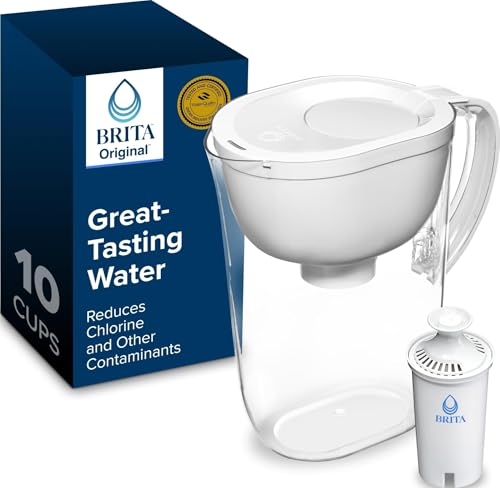
Brita Large Water Filter Pitcher clears chlorine and unpleasant flavors with activated carbon. It holds 10 cups, ready for your daily tea needs. Each filter works up to 40 gallons, keeping water pure and crisp.
Using filtered water lets your tea’s natural flavors shine better. This simple step upgrades every sip with clearer, smoother taste.
| Image | Name | Editor's Rating | Price |
|---|---|---|---|
|
Brita Large 10 Cup Water Filter Pitcher, Includes 1 Filter, ...
|
|
Choosing the Best Water for Tea: Filtered and Fresh Options
Elevating your tea experience begins with selecting water that brings out the finest flavors. Explore options that ensure purity and balance, making each cup a true delight.
1. Brita Large Water Filter Pitcher – Premium BPA-Free 10-Cup Filter for Cleaner Water
- The BPA-free Everyday water pitcher with filter holds 10 cups of water, enough to fill 3 24-ounce...
- Get great-tasting water without the waste; by switching to Brita, you can save money and replace...
- This space efficient Brita pitcher fits perfectly on refrigerator shelves, features an easy-fill...

Achieving the purest infusion starts with the quality of the base liquid you use. Brita’s pitcher delivers cleaner, better-tasting water by effectively reducing common impurities that can dull subtle flavors.
Crafted to fit snugly into your fridge, this pitcher offers a generous 10-cup capacity, ideal for multiple servings or continuous refreshment. Its easy-fill locking lid and lightweight design make refills and pouring effortless, so you spend less time on prep and more time enjoying your brew.
With a filter system certified to reduce chlorine taste and odor, along with heavy metals such as mercury, zinc, and copper, you’ll notice a significant difference in clarity and purity. This translates directly into enhanced flavor extraction and a more vibrant cup, allowing delicate notes of your favorite leaves to come forward.
Brita’s compatibility with both standard and Longlast filters offers flexibility in filter duration, maintaining consistent water quality for up to two months per filter. Relying on granular activated carbon purification, the pitcher sustains optimal mineral balance necessary for well-rounded flavor development.
Best for: Tea enthusiasts seeking a straightforward way to improve water purity and unlock the full taste potential of their leaves.
Pros:
- Reduces chlorine odor and heavy metals for cleaner water
- Spacious 10-cup capacity fits refrigerator shelves neatly
- BPA-free construction ensures no plastic contamination
- Easy-fill locking lid prevents spills during filling
- Compatible with multiple filter types for prolonged usability
Cons:
- Filter lifespan might require regular replacement for optimal taste
- Manual filling process may not suit hands-free preferences
Technical Breakdown: Top Water Options For The Best Water For Tea
| Product Name | Capacity | Purification Method | Temperature Range | Filter Life Cycle |
|---|---|---|---|---|
| Brita Large Water Filter Pitcher | 10 cups (5 Pounds) | Granular Activated Carbon | 32°F to 93°F | 2 months or 40 gallons |
How to Choose the Best Water for Tea That Unlocks True Flavor

The quality of water is often overlooked but it plays a critical role in tea brewing. Selecting the right water can be the difference between a flat cup and one bursting with vibrant aroma and taste.
Mineral Content and Composition
Mineral content in water dramatically shapes tea flavor by interacting with tea compounds. Water with very high mineral levels, like hard water, can overpower delicate tea notes, while totally soft water might produce a bland brew. The balance between calcium, magnesium, and trace minerals determines how well the tea’s natural oils and polyphenols infuse.
Calcium and magnesium ions bind to tannins in tea, moderating bitterness and enhancing sweetness. For example, spring water with moderate mineral saturation offers a clean but rich extraction. Conversely, distilled water may strip tea of complexity due to minimal mineral presence. This interaction is rooted in chemistry where minerals alter the solubility of tea compounds during steeping.
Neglecting mineral content often results in a cup that’s either overly bitter or lacking depth. Without balanced mineral levels, teas, especially green and white varieties, lose nuance and can even taste flat or unpleasant. Paying attention to mineral composition tailors your water to your tea, coaxing out its character instead of muting it.
Water Purity and Absence of Contaminants
Purity refers to the freedom from chlorine, chloramine, heavy metals, and other impurities that distort water’s neutral taste. Tap water frequently contains additives like chlorine used for purification but these can impart off-flavors and aromas that interfere with tea’s subtleties.
Activated carbon filters, such as the ones in the Brita Large Water Filter Pitcher, effectively reduce chlorine and organic impurities by adsorption. This process traps unwanted molecules in the filter material, resulting in cleaner water that retains desirable minerals. Reverse osmosis can purify water further but often also removes beneficial minerals, requiring remineralization for optimal tea brewing.
Ignoring purity risks a brew tainted by chemical or metallic notes, masking the tea’s natural sweetness and aroma. Clean water creates a blank canvas, letting each tea leaf’s distinctive profile shine. Brewing with subpar purity produces dull or even medicinal-tasting tea, detracting from the ritual’s enjoyment.
Water Temperature Control
Temperature is fundamental because it influences the extraction of flavors and healthful compounds from tea leaves. Different teas require specific water temperatures; green teas prefer lower ranges (around 140°F–175°F) while black teas need near-boiling (200°F–212°F).
The thermal properties of water affect the kinetics of infusion. Hotter water increases the rate of solubilizing alkaloids, catechins, and essential oils, intensifying bitterness if too hot for delicate teas. Conversely, water that’s too cool under-extracts, leaving a weak or flat taste. Water from filtered pitchers like Brita is typically at room temperature (32°F to 93°F range), so reheating precision is key for optimal brewing.
Failing to control water temperature leads to suboptimal flavor balance—overly bitter or insipid brews. Accurate temperature enables extraction of the right combination of compounds for the tea type, preserving its bouquet and mouthfeel. Improperly heated water diminishes the tea experience and wastes quality leaves.
Water Source and Its Impact on Flavor
Source waters—tap, spring, mineral, or distilled—introduce distinct chemical and sensory profiles affecting tea taste. Spring water often carries natural minerals that enhance complexity, while tap water varies widely in chemical additives and hardness. Distilled water is pure but can make tea seem flat.
Artisan tea brewers often favor waters with balanced mineral profiles from natural springs, which complement tea’s floral and fruity notes. For instance, volcanic spring water rich in magnesium can highlight umami in green teas. Conversely, some sources high in iron or sulfur create off-flavors that clash with tea’s delicate aroma. Understanding your local water source chemistry lets you predict and adjust water treatment methods accordingly.
Ignoring the source water’s characteristics leads to unpleasant surprises—muddy or metallic tastes, or overly astringent cups. Tailoring water choice or treatment based on source ensures a harmonious relationship between the water and tea.
Filter Technology and Its Role in Water Quality
Filter technology determines how well impurities and undesirable tastes are removed while keeping essential minerals intact. Popular methods include granular activated carbon (GAC), ion exchange, and reverse osmosis. The ideal filter balances purification with mineral retention for tea.
The Brita Large Water Filter Pitcher uses GAC to adsorb chlorine and organic compounds while leaving beneficial minerals that enrich tea flavor. Ion exchange resins can soften water by swapping calcium and magnesium ions for sodium, potentially reducing beneficial mineral content. Reverse osmosis produces very pure but mineral-depleted water, often too soft for flavorful tea without remineralization.
Using a filter that over-strips minerals yields a lifeless brew lacking mouthfeel, while insufficient filtration leaves chemical tastes. Choosing the right filtration technology affects the purity-mineral balance critical for a satisfying cup. Filters with finite life cycles, like Brita’s 2 months or 40 gallons, require timely replacement to maintain effectiveness and avoid stale or contaminated water.
Water Storage and Freshness
How water is stored impacts its freshness and oxygen content, important for tea aroma and taste. Stagnant or exposed water loses dissolved oxygen and absorbs odors from surroundings, creating dull or stale flavors. Storing water in clean, BPA-free containers and minimizing storage time preserves quality.
Oxygen plays a role in extracting volatile aromatic compounds during brewing. Pitchers like Brita’s, made from BPA-free materials, help maintain water integrity. Storing filtered water in airtight containers within cool, shaded environments reduces microbial growth and contamination. Extended storage or open containers risk degradation through air exposure and off-gassing, further diminishing water quality.
Ignoring proper storage results in water that mutes tea aromas and yields a flat, lifeless cup. Fresh, well-oxygenated water enhances the tea’s bouquet and clarity. Prioritizing clean containers and regular filtration atop smart storage optimizes each brew’s sensory impact.
Frequently Asked Questions
What makes water the best choice for brewing tea?
The best water for tea has a balanced mineral content and purity that enhances the tea’s flavor without overpowering it. Minerals like magnesium and calcium aid in extraction, improving aroma and taste.
For example, too much hardness can cause a flat taste, while very soft water may result in a dull brew. Spring water often hits the right balance.
Consider testing your water’s mineral content or using a quality filter pitcher to optimize your tea experience.
Is filtered water suitable for all types of tea?
Filtered water usually removes chlorine and unwanted chemicals, making it clean and neutral for brewing most teas. The important part is how much minerals remain, as this changes tea flavor.
For example, green teas thrive with softer water, keeping their subtle notes intact. Black teas, on the other hand, often taste better with some mineral content to bring out deeper flavors.
Pay attention to your water’s minerals and adjust filter settings to prevent your brew from tasting dull or too bitter.
How does water temperature affect tea flavor extraction?
Water temperature controls how tea releases its flavors, impacting bitterness and strength. Each tea type needs a specific temperature range to taste its best and avoid harshness or blandness.
Green teas steep well at 140°F to 180°F, preserving delicate notes, while black teas need hotter water, around 195°F to 212°F, to extract bold flavors. Using the wrong temperature dulls your tea’s true character.
Use a temperature-controlled kettle for precision. This simple tool helps unlock the full potential of your tea’s flavor every time.
Can tap water be used directly for brewing tea?
Tap water contains chlorine, minerals, and other impurities that may affect tea’s taste negatively. Some regions have harder or more chlorinated tap water, causing flat or off-flavors that mask subtle notes.
Using a carbon filter pitcher or letting tap water stand to release chlorine can significantly improve quality. Many tea enthusiasts avoid unfiltered tap water for delicate teas to preserve their aroma and flavor.
Always try your brewer’s water and adjust filtration if the tea exhibits bitterness or dullness to maintain optimal taste.
Does mineral composition in water affect the health benefits of tea?
Minerals in water influence how well tea releases its healthy antioxidants and nutrients. Water with a balanced mineral profile helps unlock these compounds more effectively, enhancing both flavor and benefits.
Too much hardness or alkalinity can limit antioxidant extraction, while very soft water might result in a weaker brew with fewer beneficial elements.
Opt for water with moderate mineral content, like spring or filtered water, to get the most out of every cup of tea and its health properties.
How Water Quality Transforms Your Tea Experience
Selecting the right water can dramatically enhance the richness and clarity of your tea’s flavor profile, bridging the gap between ordinary and exceptional brews. The mineral content notably influences the extraction of aromatic compounds, ensuring your tea achieves its full potential.
Light, soft waters work best for delicate teas like green and white, while those rich in minerals complement robust teas such as black and oolong. Choosing water tailored to your tea style delivers a harmonious and vibrant cup every time.
For optimal results, always heat fresh water to the ideal temperature and avoid extremes in hardness or over-purification that can disrupt flavor balance. Taking these steps profoundly improves your daily tea ritual.
Last update on 2026-10-12 / Affiliate links / Images from Amazon Product Advertising API