
Best Way to Cook Ranch Steak: Step-by-Step Method
You cook ranch steak best by searing it quickly over high heat, 375–500°F, to develop a deep brown crust and preserve interior juiciness.
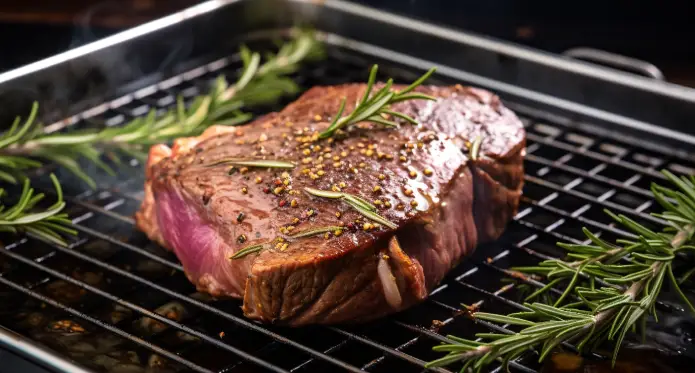
Pat the steak dry, season with kosher salt and freshly ground pepper, and sear 2–4 minutes per side for medium-rare (130–135°F).
Use two-zone heat or oven finishing to avoid over-charring while ensuring even doneness.
Rest 5–10 minutes, then slice thinly against the grain for maximum tenderness.
Detailed techniques optimize flavor and texture.
Key Takeaways
- Preheat pan or grill to 375–500°F for quick searing and develop a deep, flavorful crust on the ranch steak.
- Pat steak dry, season with coarse salt and pepper, then sear 2–4 minutes per side for medium-rare doneness (130–135°F).
- Use two-zone cooking: sear over direct high heat, then finish over indirect heat to ensure even cooking without toughness.
- Rest steak 5–10 minutes after cooking to allow juices to redistribute and enhance tenderness and juiciness.
- Slice thinly against the grain with a sharp knife to shorten muscle fibers and maximize tenderness.
Why Ranch Steak Cooks Best With Quick, High Heat

Although ranch steak comes from a tougher, leaner part of the chuck, it responds best to quick, high-heat cooking methods like grilling and pan-searing. These techniques rapidly develop a flavorful crust while preserving juiciness and tenderness.
You’ll want to preheat your pan or grill to high temperatures, around 375–500°F, to guarantee proper Maillard reaction, which forms that desirable crust. Since ranch steak is lean and prone to drying, cooking it to medium-rare (130–135°F) stops it from becoming tough.
Quick searing, 2 to 4 minutes per side, locks in moisture and flavor without overcooking. Resting the steak post-cook allows juices to redistribute, enhancing tenderness. This approach avoids the chewiness typical of slower, low-heat methods, making your ranch steak both flavorful and tender. Hanger steak, a flavorful diaphragm cut prized for its loose grain and beefy taste, is best cooked quickly over high heat to preserve its tenderness and intensity of flavor, making it a good comparison for quick-sear techniques when you want bold beef flavor and beefy taste.
Seasoning Ranch Steak for Maximum Flavor
When it comes to seasoning ranch steak, you really can’t go wrong with the basics. Start with a solid sprinkle of salt and black pepper; these will really boost that natural flavor of the steak.
Now, if you’re looking to take it up a notch, consider using a marinade. Just mix up your favorite ingredients and let the steak soak for anywhere from 30 minutes to several hours. This not only adds complexity but also helps tenderize the meat—definitely worth trying!
And if you’re more in the mood for a dry rub, that’s a fantastic option, too. A blend of garlic powder, smoked paprika, and a drizzle of olive oil will create a deliciously robust crust when you cook it at high heat. It’s all about finding what flavors you love!
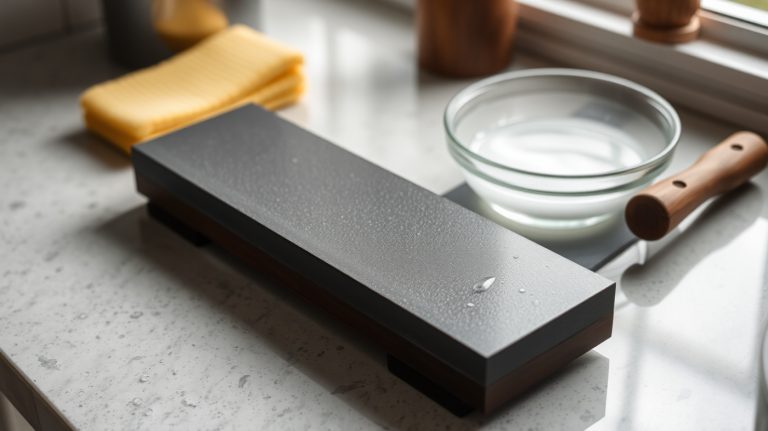
For the best trimming and portioning before cooking, use a sharp, flexible boning or fillet knife to preserve juices and make precise cuts 5–7 inches.
Simple Salt And Pepper
Seasoning ranch steak with just salt and pepper often delivers the purest enhancement of its natural beef flavor.
You want to use a coarse kosher salt to draw out moisture and create a flavorful crust during high-heat searing or grilling.
Apply salt evenly on both sides at least 15 minutes before cooking to allow it to penetrate the meat.
Freshly ground black pepper adds a complementary pungency without overpowering.
Avoid pre-grinding pepper too early, as it will lose aroma.
This minimalist seasoning lets you focus on controlling cook temperature and time to maintain tenderness and juiciness.
When you sear or grill, the salt forms a savory crust while the pepper crisps slightly, boosting texture.
After cooking, let the steak rest to retain juices before slicing against the grain for peak tenderness.
For extra flavor depth, consider finishing with a light sprinkle of garlic powder or a small pat of butter during resting to enhance juiciness and mouthfeel while being mindful of fat cap to avoid over-greasing.
Marinades And Dry Rubs
Enhance ranch steak’s flavor profile by applying marinades or dry rubs tailored to its lean, slightly tough nature. Marinades with acidic components like vinegar or citrus help break down muscle fibers, improving tenderness when soaked for 30 minutes to 2 hours.
Incorporate herbs, garlic, and olive oil to balance flavor without overpowering the beef. Dry rubs, combining salt, black pepper, garlic powder, and smoked paprika, create a flavorful crust during high-heat cooking and aid in moisture retention.
Apply rubs evenly and allow them to rest on the steak for at least 30 minutes before cooking. Both methods require precise timing; over-marinating risks mushy texture, while under-seasoning diminishes impact.
Use mechanical tenderizing sparingly to preserve structure and always manage cooking temperature to maintain juiciness and peak tenderness. For added smoky depth that pairs well with dry rubs, consider finishing the steak briefly over hickory or oak smoke.
Tenderizing Ranch Steak: Methods That Work
Tenderizing ranch steak effectively requires combining mechanical and chemical approaches to counter its naturally lean and slightly tough texture. You can start by using a meat mallet or fork-poking to break down muscle fibers.
Marinades with acidic components like vinegar or citrus also chemically soften the meat. Timing matters; marinate for at least 30 minutes but no longer than overnight to avoid mushiness. Salt is another essential tool; it denatures proteins and retains moisture.
Here’s a quick reference for tenderizing methods:
| Method | Purpose |
|---|---|
| Meat mallet | Mechanical fiber break |
| Fork-poking | Pierces muscle fibers |
| Acidic marinade | Protein denaturation |
| Salt rubbing | Moisture retention |
| Marinating time | 30 min to overnight |
Using the right tools, including a well-designed blade with proper flexibility, can also improve preparation and trimming efficiency.
Pan-Searing Ranch Steak: A Step-by-Step Guide
First things first, you’ll want to pat your ranch steak dry. This is super important because it helps create that perfect crust when you sear it. Just season it simply with some salt and pepper—no need to overthink it!
Next up, grab your cast-iron skillet and preheat it over high heat. Once it’s nice and hot, place the steak in the skillet. You’ll want to sear it for about 2 to 3 minutes on each side. Keep an eye on it; you’re looking for that deep brown crust to form.
After you’ve got that beautiful sear, don’t rush! Let the steak rest for about 5 to 10 minutes. This step is key because it allows the juices to redistribute, making every bite juicy and delicious.
When you’re ready, just slice against the grain, and enjoy!
Also, for best results, make sure to preheat your cast iron for several minutes so it achieves an even, high heat for optimal searing.
Preparing The Steak
Begin by patting the ranch steak dry with paper towels to remove any surface moisture. This step is essential for achieving a proper sear.
Next, make sure the steak is at room temperature for even cooking. Season the meat simply with salt and black pepper to enhance its natural flavors without overpowering them. If desired, apply a light coating of oil to promote crust formation.
Follow these precise steps:
- Remove excess moisture thoroughly to prevent steaming.
- Let the steak rest at room temperature for 20-30 minutes.
- Season evenly on all sides with kosher salt and freshly ground black pepper.
- Lightly brush with a high smoke point oil, such as canola or grapeseed, to aid browning.
This preparation primes the steak for ideal pan-searing results. For safer handling and better control when searing, use long, durable stainless-steel tongs with a secure grip to keep your hands away from high heat.
Searing And Resting
Heat a heavy cast-iron skillet over high heat until it’s smoking hot to guarantee a strong sear and crust on your ranch steak.
Pat the steak dry to remove surface moisture, then season it simply with salt and pepper.
Place the steak in the pan without overcrowding and sear for 2–3 minutes per side until a deep brown crust forms.
Avoid moving the steak prematurely to guarantee Maillard reaction development.
If desired, add butter, garlic, and herbs near the end for flavor infusion.
After searing, transfer the steak to a warm plate and rest it for 5 to 10 minutes.
Resting redistributes juices, preventing moisture loss when slicing.
Finally, slice thinly against the grain to maximize tenderness and enjoy peak texture.
For a more beefy flavor, consider choosing a high-grade cut like USDA Choice or Prime when available, as these often offer better color and texture for optimal results with top sirloin.
Grilling Ranch Steak to Perfect Medium-Rare
Grilling ranch steak to a perfect medium-rare requires maintaining very hot grill temperatures, typically between 375°F and 500°F.
For a perfect medium-rare ranch steak, maintain a grill temperature between 375°F and 500°F.
This ensures a robust crust while preserving juiciness inside.
To guarantee success, follow these critical steps:
- Preheat the grill thoroughly and oil the grates to prevent sticking.
- Place the steak at a 45° angle on the hottest part of the grill for peak sear marks.
- Grill for 3 to 4 minutes per side, monitoring internal temperature closely with a meat thermometer. Aim for 130–135°F.
- Rest the steak for 5 to 10 minutes after grilling to allow juices to redistribute before slicing thinly against the grain.
Using a two-zone fire with direct searing and indirect finishing helps develop a deep crust while keeping the interior tender and juicy, so consider setting up two-zone heat before you start grilling.
Using Oven Finishing and Broiling for Ranch Steak
While quick searing locks in flavor and juices, finishing ranch steak in the oven or under the broiler guarantees even cooking for thicker cuts without over-charring the exterior.
After searing both sides in a hot skillet for 2–3 minutes, transfer the steak to a preheated oven at 400°F or place it 4–6 inches below the broiler.
Monitor internal temperature closely with a probe thermometer; remove at 130–135°F for medium-rare.
Oven finishing provides controlled, gentle heat to penetrate evenly, while broiling applies intense radiant heat to develop a crust without overcooking.
Both methods reduce the risk of dry, tough edges common with high-heat-only techniques.
This two-step approach balances sear and doneness, enhancing tenderness and ensuring consistent results for thicker ranch steaks.
For an even better crust without extra searing, consider using a preheated cast iron to finish the steak in the oven.
Resting and Slicing Ranch Steak for Juiciness
After cooking, you should let the ranch steak rest for 5 to 10 minutes to allow the juices to redistribute evenly throughout the meat. Skipping this step risks losing valuable moisture when cutting.
Resting ranch steak for 5 to 10 minutes ensures juices redistribute, preserving moisture and enhancing flavor.
During resting, internal temperature stabilizes, enhancing tenderness and juiciness.
When slicing, follow these technical guidelines:
- Identify the grain direction clearly.
- Use a sharp knife for clean, precise cuts.
- Slice thinly and consistently against the grain.
- Maintain even pressure to avoid tearing muscle fibers.
Cutting against the grain shortens muscle fibers, reducing chewiness typical of ranch steak. Thin slices maximize tenderness and mouthfeel.
This precise approach makes certain each bite stays juicy and flavorful, highlighting the steak’s peak texture after careful cooking and resting.
Frequently Asked Questions
Can Ranch Steak Be Cooked Well in a Slow Cooker?
Yes, you can cook ranch steak in a slow cooker, but you’ll need to adjust your expectations.
Since it’s a lean, tougher cut, slow cooking it low and slow will break down connective tissue, making it tender and fall-apart.
Use a braising liquid and cook it for several hours on low.
However, this method sacrifices the quick, crusty sear typical of ranch steak, so plan accordingly for texture and flavor.
What Side Dishes Pair Best With Ranch Steak?
When it comes to side dishes, you can’t go wrong with classic roasted vegetables like asparagus or Brussels sprouts. They balance the steak’s richness perfectly.
Creamy mashed potatoes or a baked sweet potato add texture contrast, while a fresh arugula salad with lemon vinaigrette cuts through the meat’s fat.
For a bit of crunch, consider garlic sautéed green beans. These sides work in harmony to complement your ranch steak without stealing the show.
How Long Can Cooked Ranch Steak Be Stored Safely?
You can safely store cooked ranch steak in the refrigerator for 3 to 4 days at or below 40°F (4°C).
For longer storage, freeze it within two hours of cooking.
It’ll maintain best quality for up to 2 to 3 months at 0°F (-18°C).
Always cool the steak promptly, seal it airtight to prevent freezer burn, and reheat to 165°F (74°C) before consuming to guarantee safety and peak texture.
Is Ranch Steak Suitable for Stir-Frying Recipes?
Yes, ranch steak is suitable for stir-frying if you slice it thinly against the grain to minimize toughness.
Since it’s lean and slightly tough, marinating it for at least 30 minutes helps tenderize the meat and enhances flavor.
Use high heat and cook quickly, usually 2 to 3 minutes, to avoid overcooking.
This method retains juiciness and texture, making ranch steak a viable option for stir-fry dishes.
Can Ranch Steak Be Frozen Before Cooking?
Of course, freezing ranch steak before cooking is a brilliant way to instantly improve its tenderness if only science agreed!
In reality, you can freeze ranch steak safely, but be sure to wrap it tightly to avoid freezer burn and moisture loss.
Thaw it slowly in the fridge to maintain texture. Quick freezing preserves quality, but don’t expect freezing alone to tenderize this lean, slightly tough cut before you cook it.
How to Cook Ranch Steak Without Overcooking It
You now know that cooking ranch steak quickly over high heat preserves its tenderness. This is crucial since 70% of steak lovers say overcooking ruins their experience.
By seasoning well, tenderizing properly, and mastering pan-searing or grilling, you lock in maximum flavor and juiciness.
Don’t forget to rest before slicing; this step retains those precious juices.
Follow these precise techniques, and you’ll consistently serve a perfectly cooked ranch steak that impresses every time.