Broken Rice Recipe: How to Cook Tender and Fluffy Rice
Rinse 1 cup of broken rice in a fine-mesh sieve until the water runs mostly clear, then drain it well. Combine the rice with 1 cup of water and a pinch of salt in a saucepan. Bring to a gentle boil, cover, and simmer over low heat for 12–15 minutes, checking early.
Once tender and the liquid is absorbed, rest it covered for 5 minutes, then fluff gently with a fork. You’ll find easy cooker options and serving ideas below.
Key Takeaways
- Rinse broken rice gently until the water runs mostly clear, then drain thoroughly to reduce excess starch.
- Use about 1 cup of water or broth per cup of rice; adjust slightly for your preferred texture.
- For stovetop rice, bring rice and liquid to a gentle boil, cover, and simmer on low for 12–15 minutes.
- Let the cooked rice rest, covered, for 5–10 minutes, then fluff gently with a fork or rice paddle.
- Serve with savory protein and vegetables; refrigerate leftovers promptly and reheat until piping hot.
Broken Rice Recipe Quick Reference
| Quick Recipe Information | Details |
|---|---|
| Recipe Name | Broken Rice Recipe |
| Preparation Time | Not specified |
| Cooking Time | 12–15 minutes (stovetop simmering) |
| Resting Time | 5–10 minutes |
| Total Time | Not specified |
| Servings | Not specified |
| Recipe Type | Rice side dish |
| Main Ingredients | Broken rice, water and salt |
| Rice Quantity | 1 cup |
| Water Quantity | 1 cup |
| Salt Quantity | A pinch |
| Water-to-Rice Ratio | 1:1 |
| Cooking Method | Stovetop or rice cooker |
| Cooking Heat | Medium-high heat to boil, then low heat to simmer |
| Rice Cooker Setting | Standard white-rice setting |
| Optional Liquid | Broth or fish fumet |
| Optional Seasonings | Onion, garlic, olive oil, tomato paste, bay leaf, ginger, lemongrass and bouillon powder |
| Required Equipment | Fine-mesh sieve, saucepan with lid or rice cooker, fork or rice paddle |
| Rice Texture | Tender, fluffy or slightly sticky |
| Texture Adjustment | Add 1–2 tablespoons of extra water per cup for softer rice |
| Serving Suggestions | Grilled pork, chicken, fish, vegetables, eggs, tofu or savory stew |
| Refrigerated Storage | Up to 3 days in an airtight container |
| Reheating Method | Stovetop or microwave |
| Calories | Not specified |
| Nutritional Information | Not specified |
How Do You Cook Broken Rice on the Stovetop?
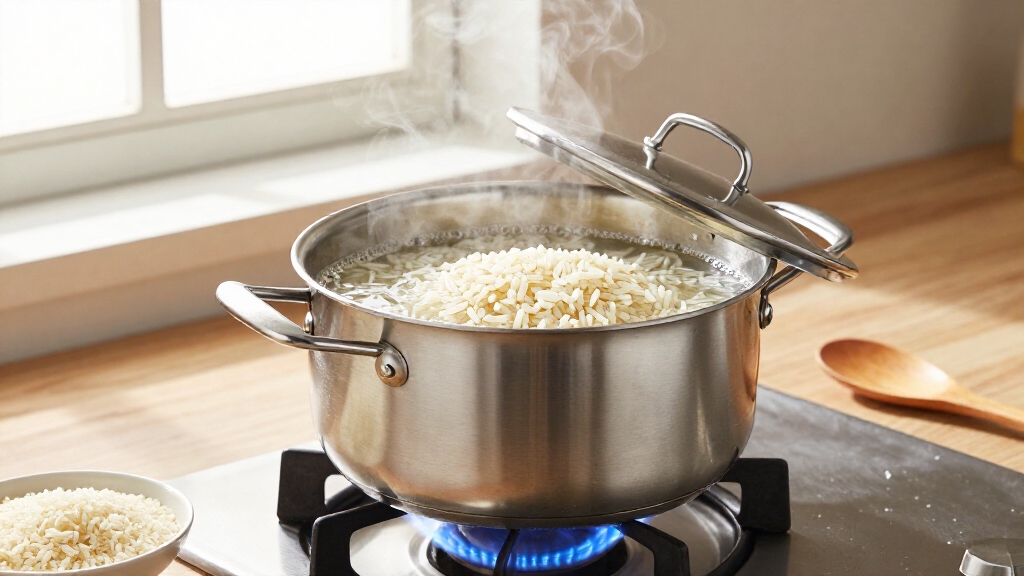
To cook broken rice on the stovetop, rinse it under cool water, then combine it with water in a saucepan; use about 1 cup of water per cup of rice for a firmer texture, or add more for softer rice. Set the pan over medium-high heat and bring the mixture to a gentle boil.
Stir once to prevent sticking, then reduce the heat to low and cover the saucepan tightly. Simmer until the water is absorbed and the grains are tender, usually 12 to 15 minutes; check earlier because broken rice cooks quickly.
If the rice looks dry before it’s tender, add a splash of hot water and continue cooking. Remove the pan from the heat and let it stand, covered, for 5 minutes. Fluff gently with a fork before serving. Like a rice cooker, the stovetop method relies on water absorption to help indicate when the rice is done.
What Ingredients Do You Need for Broken Rice?
For a simple side dish, you need broken rice, water, and a pinch of salt; use broth instead of water when you want a more savory base. Broken jasmine rice works especially well for Vietnamese-style dishes, while other varieties suit porridges and everyday meals.
Choose clean, evenly milled grains for consistent cooking.
Use clean, evenly milled grains to help the rice cook consistently.
To build a more aromatic base, add finely chopped sweet onion and garlic, a little olive oil, and a spoonful of tomato paste. A bay leaf lends gentle herbal depth.
For a bolder profile, season with ginger, lemongrass, or bouillon powder; use these sparingly so they don’t overwhelm the rice.
Caribbean-inspired versions may include fermented fish and Scotch bonnet pepper, which bring pronounced savory and chile notes. Keep the ingredient list simple, or tailor it to the toppings and sauce you plan to serve.
For a heartier meal, serve the rice with fiber-rich beans such as black beans or chickpeas.
How Much Water Does Broken Rice Need?
Start with a 1:1 ratio of rice to water, then adjust it to get the texture you like. Use a little less water for firmer grains or a little more for softer rice.
Since stovetops and rice cookers can vary, keep an eye on the rice as it cooks and follow your method’s cues. Rinsing rice before cooking can remove excess surface starch and help produce separate grains.
Water-to-Rice Ratio
Broken rice usually needs about 1 cup of water per cup of rice in a rice cooker, though the ideal ratio depends on the variety and texture you want. For stovetop cooking, start with the same measure, then follow your rice package’s guidance if available; broken jasmine rice may absorb liquid differently from other varieties.
Measure both ingredients consistently, using the same cup, and add the water directly to the rinsed, drained grains. If you’re cooking with broth or fish fumet, count it as part of the total liquid rather than adding it on top.
Your cooker’s instructions also matter: some models retain moisture more efficiently than others. Because fractured grains cook faster and soften readily, use a measured ratio instead of estimating.
Keep a note of the amount that works for your rice and equipment.
Adjusting for Texture
Adjust the water to shape the texture: use about 1 cup per cup of broken rice for distinct, fluffy grains, or add a little more for a softer, stickier result.
Because fragments absorb moisture quickly, increase the liquid gradually—start with 1 to 2 tablespoons extra per cup, then adjust in later batches to suit your preference.
For a tender, cohesive texture, add broth instead of water when its flavor complements your dish. Rinse the rice first if you want to remove loose starch; keep more surface starch when you prefer extra cling.
Measure both rice and liquid consistently, since small changes matter with these short grains.
If your rice turns out firmer than you like, add a splash of hot liquid next time; if it’s too soft, reduce the amount slightly.
For a more balanced meal, pair the rice with lean protein and nonstarchy vegetables.
Stovetop and Rice Cooker
For stovetop cooking, use about 1 cup of water per cup of broken rice for distinct grains, adding 1 to 2 tablespoons more if you prefer a softer result. Rinse first, then bring rice and water to a simmer. Cover, reduce heat, and cook until absorbed; rest briefly before fluffing.
| Method | Water per cup rice | Texture |
|---|---|---|
| Stovetop | 1 cup | Distinct grains |
| Stovetop, softer | 1 cup plus 1–2 tbsp | Tender |
| Rice cooker | 1 cup | Soft, slightly sticky |
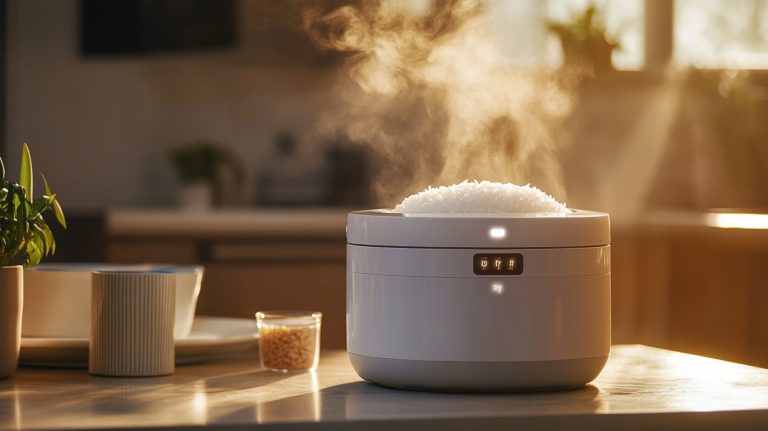
For your rice cooker, start with a 1:1 ratio, since broken grains cook quickly and retain moisture. Follow your appliance’s rice setting, then let the rice stand covered for five minutes. If the result feels too firm, add a splash of water next time; for congee, use substantially more liquid. A temperature sensor detects when the water has been absorbed and the pan temperature begins to rise, prompting the cooker to shut off.
How Do You Cook Broken Rice in a Rice Cooker?
Because broken rice cooks faster than whole grains, a rice cooker makes it easy to control moisture and timing. Measure your rice, then rinse it in a fine-mesh sieve until the water runs mostly clear; drain thoroughly to avoid adding excess liquid.
Broken rice cooks quickly, so rinse it well, drain thoroughly, and use a rice cooker to control moisture and timing.
Add the rice to the cooker with water, starting with a 1:1 ratio by volume.
For a more seasoned base, replace some water with broth, or add a pinch of salt and a little bouillon. Stir once to distribute the liquid, then close the lid and select the standard white-rice setting.
A cooker with fuzzy logic can adjust cooking time and temperature to help produce consistent results.
If your cooker offers a quick-cook option, avoid it until you know how your model handles small grains. When the cycle ends, check the rice and adjust the liquid next time if needed.
How Do You Get Tender, Fluffy Broken Rice?
Rinse the broken rice until the water runs mostly clear. This removes excess surface starch.
Measure the water carefully, too, since too much can make the grains mushy.
Once the rice is cooked, let it rest, covered. Then fluff it gently with a fork. For brown rice, a GABA setting can help activate nutrients while improving texture.
Rinse Before Cooking
Before cooking, rinse broken rice in a fine-mesh sieve under cool water, gently stirring the grains until the runoff looks mostly clear.
This removes loose starch and milling dust, helping the cooked grains taste clean and feel tender rather than gummy.
Broken rice fragments are delicate, so handle them gently; vigorous rubbing can crush them further and release excess starch.
Let the rice drain thoroughly after rinsing, shaking the sieve lightly to remove surface water.
Don’t soak the grains unless your recipe specifically calls for it: fragments hydrate quickly, and soaking can make their texture uneven.
For especially starchy rice, repeat the rinse once or twice, checking the water each time.
Stop when it’s mostly clear, not necessarily perfectly transparent; a faint haze is normal and won’t compromise the finished rice.
Measure Water Carefully
How much water should you use? For tender, fluffy broken rice, start with a 1:1 ratio of rice to water, especially in a rice cooker. Because broken grains vary in size and absorb moisture quickly, check your package guidance and adjust for your preferred texture.
Use slightly less water for distinct, fluffy grains; add a little more for a softer, stickier result.
On the stovetop, measure accurately, then combine the rinsed rice and water in a heavy saucepan. Bring the mixture just to a simmer, cover tightly, and reduce the heat to low.
Keep the lid closed so steam stays in the pan and cooks the grains evenly. A thick base helps distribute heat evenly and reduce hot spots.
Broken rice cooks faster than whole kernels, so excess water can turn it mushy. If you’re adding broth, count it toward the total liquid.
Rest Before Fluffing
Once the liquid is absorbed, take the pan off the heat and leave the lid on for 5–10 minutes. During this rest, trapped steam finishes cooking the broken grains and distributes moisture more evenly.
You’ll get a tender, fluffy texture without stirring the rice while it’s hot, when the fragile pieces can mash together.
After resting, remove the lid and let excess steam escape for a few seconds. Slide a fork or rice paddle gently through the rice, lifting and separating the grains rather than pressing down.
Broken rice naturally cooks softer than whole kernels, so use a light touch to preserve its texture. If you’re serving it with a sauce or seasoned topping, fluff just before plating to keep the grains distinct while they absorb flavor.
For leftovers, store the rice in a clean glass container with an airtight seal to help keep it fresh.
What Can You Serve With Broken Rice?
What you serve with broken rice depends on how it’s seasoned: its tender grains pair especially well with richly flavored dishes.
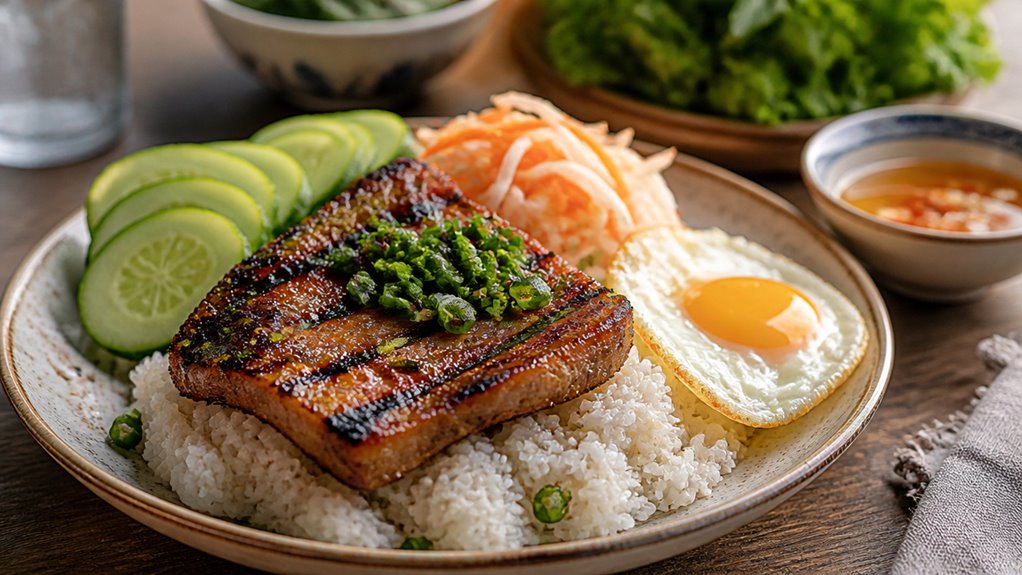
For a Vietnamese-inspired plate, build a balanced meal with savory protein, crisp vegetables, and a bright, tangy accompaniment. You can also keep the sides simple when your main dish already includes a robust sauce.
- Grilled meat or chicken: Serve thinly sliced, well-browned meat over the rice, with a spoonful of pan juices or sauce.
- Fresh vegetables: Add cucumber, tomato, or lightly pickled carrots and daikon for cool crunch and acidity.
- Eggs or tofu: Top your bowl with a fried egg, or choose seared tofu for a satisfying meat-free option.
If you’re serving Caribbean-style broken rice, pair it with fish or stewed meat. For a gentler meal, offer the rice alongside broth or vegetables. For a spicy, savory pairing, serve it with Cajun-seasoned chicken and crisp vegetables.
How Can You Season Broken Rice?
For the best flavor, season broken rice with ingredients that complement its tender grains without overwhelming them. Start with salt, then build a savory base with finely chopped onion and garlic softened in olive oil. Add a bay leaf, or choose ginger and lemongrass for a brighter, aromatic profile.
Stir in tomato paste before adding liquid to deepen the rice’s flavor.
For a Vietnamese-inspired bowl, keep the rice lightly seasoned so it balances richly flavored toppings and sauce. If you want a bolder Caribbean-style dish, use broth or fish fumet, a measured amount of bouillon, fermented fish, and Scotch bonnet.
Add chile sparingly; its heat can dominate. Because broken grains absorb seasoning readily, taste the cooking liquid before it simmers and adjust salt carefully. Finish with fresh herbs, if desired, for a clean contrast.
How Do You Store and Reheat Broken Rice?
After seasoning and cooking broken rice, cool leftovers promptly and store them in an airtight container in the refrigerator for up to three days. Divide a large batch into shallow containers so it cools quickly; don’t leave cooked rice at room temperature for more than two hours.
Keep sauces and toppings separate when possible to preserve the rice’s texture.
- Stovetop: Add rice to a saucepan with a splash of water or broth. Cover and warm over low heat, stirring gently until steaming hot.
- Microwave: Sprinkle water over a portion, cover loosely, and heat in short intervals. Stir between intervals for even warming.
- Serve safely: Reheat only the portion you’ll eat, until piping hot throughout. Don’t reheat the same rice more than once; discard leftovers left out too long. The grains may soften further after reheating, so add liquid sparingly.
Frequently Asked Questions
What Is Broken Rice, and How Does It Differ From Whole-Grain Rice?
Broken rice consists of rice kernels fractured during milling into smaller pieces. Unlike whole-grain rice, which retains intact kernels, broken rice cooks faster, softens more readily, and often absorbs seasonings more easily.
You’ll notice a tender, sometimes slightly sticky texture rather than the firmer, more distinct grains of whole rice. Despite its fragments, it’s still rice—not necessarily brown rice, which describes an intact grain with its bran layer retained.
Where Can You Buy Broken Rice?
You can find broken rice in Asian and Afro-Caribbean grocery stores, where specialty grains often have a welcoming place on the shelf. Look for it near jasmine rice, other regional rice varieties, or ingredients for Vietnamese and Caribbean cooking.
Some supermarkets with well-stocked international aisles carry it, too. If local shops don’t stock it, you can order broken jasmine rice from online grocers or specialty food retailers. Check labels for grain type and origin.
Is Broken Rice the Same as Rice Flour?
No, broken rice isn’t the same as rice flour. Broken rice consists of small rice-grain fragments created during milling; you cook it like rice, and it keeps a tender, slightly sticky texture.
Rice flour is made by finely grinding rice into powder. You use it to thicken sauces, make batters, or bake. Although both come from rice, their textures, cooking behavior, and culinary uses differ substantially.
Can You Use Broken Rice in Desserts?
Absolutely—you can turn broken rice into a dessert so comforting it could make a pastry chef swoon. Its small grains cook quickly and soften into a naturally creamy texture, making them ideal for rice pudding or sweet porridge.
Simmer rinsed rice with milk or water until tender, then stir in sugar, a pinch of salt, and flavorings such as vanilla, cinnamon, or coconut. Finish with caramelized fruit or toasted nuts.
What Dishes Traditionally Feature Broken Rice?
You’ll find broken rice most famously in Vietnamese cơm tấm, where cooks serve tender grains with grilled meat and savory accompaniments. It also features traditionally in congee, a soft rice porridge enjoyed across many Asian cuisines, and in South Indian broken-rice upma, seasoned with spices and aromatics.
In some Caribbean preparations, cooks combine broken rice with tomato, chile, and fermented fish. Its quick-cooking grains suit both hearty meals and comforting porridges.
Discover the Versatility of Homemade Broken Rice
A pot of broken rice can turn a simple meal into something memorable: tender grains, soft steam, and a gentle sheen of butter or oil. Rinse the rice, measure the water carefully, and let it rest before fluffing so each spoonful stays light and distinct. Season it to suit your table, then serve it beside grilled meats, vegetables, or a savory stew. With these simple steps, you’ll make broken rice that’s comforting, versatile, and reliably delicious.