Can You Cook With Well Water: Safety Tips & Expert Advice
You can cook with well water only if you’ve recently tested it and confirmed it’s free from harmful bacteria and chemicals like nitrates, arsenic, and lead.
Use certified labs for accurate results and retest annually or after contamination events. Boiling removes bacteria but won’t eliminate dangerous chemicals, so avoid using untreated water if contaminants are present.
Always maintain your well system and consider proper treatment before cooking. There’s more to know about safe water use and treatment options.
Key Takeaways
- Well water can be used for cooking if recent certified lab tests confirm it is free of harmful bacteria and chemical contaminants.
- Boiling well water for at least one minute kills bacteria but does not remove chemical contaminants like nitrates or arsenic.
- Do not cook with well water if tests show chemical contamination; use treated water or a verified safe alternative instead.
- Test well water annually for bacteria, nitrates, arsenic, lead, and other contaminants before using it for cooking.
- Immediately stop using well water for cooking if contamination is suspected and switch to bottled or treated water until safety is confirmed.
Is It Safe to Cook With Well Water?

Although well water can be safe for cooking, you must verify it has been recently tested and confirmed free of harmful contaminants before use.
Since private wells lack government oversight, you’re responsible for regular testing, at least annually, to check for bacteria and chemical hazards.
Testing guarantees the water doesn’t contain pathogens or toxic substances that boiling won’t remove.
If contaminants are detected, you should avoid using well water in cooking until treated or replaced by a safe source.
Boiling kills bacteria but doesn’t eliminate chemical pollutants, which may pose chronic health risks.
Always rely on certified laboratory results to assess your well water’s safety before cooking with it.
Adhere strictly to testing recommendations to protect your health and the quality of your food preparation.
Proper storage and handling of drinking water, including using sealed containers and food-grade materials, also help prevent contamination.
Which Contaminants to Test in Well Water for Cooking?
Testing well water for specific contaminants is essential to guarantee its safety for cooking and consumption. You need to identify harmful substances that could impact your health or alter food safety. Focus on these critical contaminants:
Ensuring well water safety means testing for contaminants that affect health and food quality.
Total coliform and E. coli bacteria: Indicate microbial contamination that boiling can eliminate.
Nitrates and nitrites: Toxic at high levels and unaffected by boiling.
Arsenic: A toxic chemical that accumulates over time; boiling doesn’t remove it.
Lead: A heavy metal harmful even at low concentrations.
PFAS (Per- and polyfluoroalkyl substances): Persistent chemicals requiring advanced treatment.
Testing for these contaminants and checking for NSF/ANSI certification on any treatment or filtration system helps ensure effective removal and safer water for cooking.
How Often Should You Test Your Well Water for Cooking?
Knowing which contaminants to check in your well water sets the stage for determining how frequently you should conduct these tests.
You should test your well water at least once a year for total coliform bacteria, E. coli, nitrates, nitrites, arsenic, and lead to ensure safety for cooking.
If you notice changes in water color, taste, or odor, or after flooding events, test immediately.
Boiling kills bacteria but not chemical contaminants, so regular testing is critical.
Relying on certified labs provides accurate detection of harmful substances.
If tests reveal elevated contaminant levels, avoid using that water for cooking until you implement proper treatment.
Staying vigilant with annual testing helps you protect your household from potential risks associated with well water contaminants.
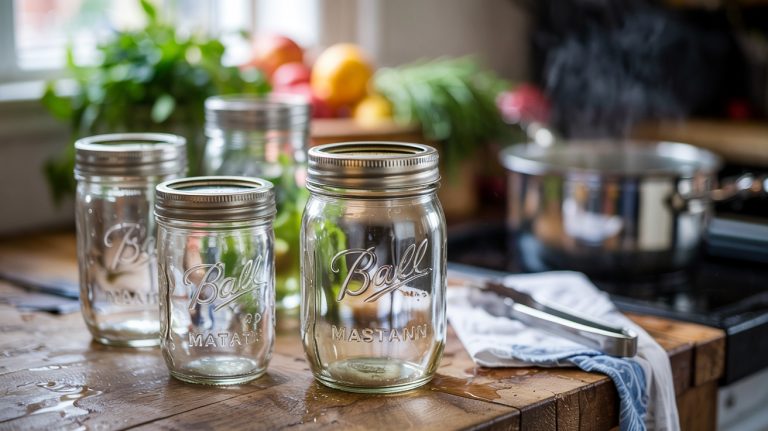
Mason jars can withstand moderate heat when heated gradually, but they are unsuitable for oven use due to thermal shock risks.
What Are the Health Risks of Contaminated Well Water?
Hey there! It’s really important to be aware that contaminated well water can carry some nasty microbes, like E. coli. If you happen to ingest that, it could lead to gastrointestinal illnesses, which nobody wants to deal with.
And it’s not just the germs you have to worry about. There are also chemical contaminants, like nitrates and arsenic, that can pose serious long-term health risks. The tricky part? Boiling the water won’t get rid of these harmful substances.
Microbial Contamination Risks
Although well water often appears clear and clean, it can harbor harmful microbes like E. coli that pose significant health risks if consumed. You should never assume your well water is safe without proper testing.
Pathogenic bacteria can cause gastrointestinal illnesses, including diarrhea and vomiting, which can be severe, especially in children or immunocompromised individuals.
To minimize risks, consider these precautions:
Test your well water annually for total coliform and E. coli bacteria.
Avoid using untreated water directly for cooking or drinking.
Boil water for at least one minute to kill bacteria during contamination events.
Shock chlorinate your well if bacteria are detected.
Retest after disinfection to confirm water safety before resuming normal use.
Taking these steps helps safeguard your cooking water and ensures it remains microbiologically safe. Be sure to also monitor and maintain your well system regularly, including checking electrical and mechanical components such as the pump and wiring, to prevent contamination and ensure reliable operation.
Chemical Exposure Dangers
While microbial contaminants like E. coli pose immediate health threats, chemical pollutants in well water can lead to long-term health complications that aren’t eliminated by boiling.
Chemicals such as arsenic, nitrates, and lead accumulate in your body, increasing risks of cancer, neurological damage, and reproductive issues. Boiling may concentrate these chemicals, worsening their effects.
You should test your well water annually to identify these hazards and use appropriate filtration or alternative water sources for cooking.
In some cases, using preservative methods for stored water can reduce secondary contamination risks during food preparation.
| Contaminant | Health Risk | Boiling Effect |
|---|---|---|
| Arsenic | Cancer, skin lesions | No removal |
| Nitrates | Methemoglobinemia (blue baby syndrome) | Concentrates |
| Lead | Neurological damage | No removal |
| PFAS | Immune, developmental issues | No removal |
| Radionuclides | Cancer risk | No removal |
Can Boiling Make Well Water Safe for Cooking?
Because boiling kills most pathogenic bacteria, it can make well water safer for cooking when microbial contamination is the only concern. However, boiling doesn’t remove chemical contaminants such as nitrates, arsenic, or lead, which may pose health risks.
Before relying on boiling, make certain your well water has been tested and contains no harmful chemicals. Keep in mind:
- Boiling for at least one minute inactivates bacteria like E. coli.
- Chemical toxins remain unaffected or may concentrate after boiling.
- Use boiling only as a temporary safety measure during microbial contamination.
- Avoid preparing infant formula with boiled well water unless tested safe.
- Always retest water after contamination events to confirm safety.
Boiling is a cautious step but not an all-encompassing solution for well water safety in cooking. Regular testing of your well and inspecting for visible damage can help prevent contamination.
Choosing the Right Water Filter for Your Well Water
Selecting the right water filter for your well water starts with understanding the specific contaminants present in your supply. You must obtain recent lab test results identifying bacteria, heavy metals, nitrates, or chemicals.
Choose a filter certified to remove those precise contaminants. Maintenance frequency and filter type depend on contaminant levels and water usage.
| Filter Type | Removes | Maintenance |
|---|---|---|
| Activated Carbon | Chlorine, odors | Replace every 6 mo |
| Reverse Osmosis | Nitrates, metals | Replace membranes yearly |
| UV Purifier | Bacteria, viruses | Lamp replacement annually |
| Multi-stage | Multiple types | Depends on stages |
A tailored filter system guarantees safer cooking water. Always retest to confirm efficacy before regular use. It’s also important to flush new filters thoroughly after installation to remove air and carbon fines.
Effective Treatment Methods to Remove Chemicals and Bacteria
Effectively treating well water requires using methods specifically designed to target both chemical contaminants and bacteria identified through certified testing. You need to select appropriate treatment systems based on your water’s unique contamination profile, ensuring chemical removal and bacterial disinfection are both addressed.
Consider these reliable approaches:
Install activated carbon filters to reduce organic chemicals and some heavy metals.
Use reverse osmosis systems for thorough chemical contaminant removal, including nitrates and arsenic.
Apply UV light disinfection to effectively inactivate bacteria and pathogens without chemicals.
Employ shock chlorination to disinfect wells experiencing bacterial contamination.
Regularly maintain and replace filter components to guarantee ongoing treatment effectiveness.
Also ensure proper system ventilation and maintenance to prevent issues like overheating and component failure that can impair treatment performance and safety, especially in units with thermal fuses.
What to Do If Your Well Water Is Contaminated?
If your well water tests positive for contaminants, the first thing you should do is stop using it for cooking right away.
It’s best to switch to bottled or treated water until you get everything sorted out.
Next, you might want to think about installing treatment systems that are specifically designed to remove the contaminants you found in your test results.
This can really help ensure your water is safe to use again.
Once you’ve treated the water, make sure to retest it regularly.
It’s also a good idea to keep an eye on your filtration equipment and maintain it properly.
This way, you can be confident that your water remains safe in the long run.
Consider installing an inline filter certified to NSF/ANSI standards to improve taste and reduce common contaminants like chlorine and sediment NSF/ANSI 42.
Immediate Safety Measures
When your well water tests positive for contamination, you must immediately stop using it for cooking, drinking, and personal hygiene to prevent health risks. Avoid exposure until you confirm safety through testing and treatment.
Take these immediate safety measures:
Use bottled or alternative safe water sources for all consumption and hygiene needs.
Boil water for at least one minute if bacterial contamination is suspected, but avoid boiling if chemicals like nitrates or arsenic are present.
Inform household members about the contamination to prevent accidental use.
Avoid preparing infant formula or vulnerable food items with the contaminated water.
Contact a certified lab to conduct thorough testing to identify contaminants precisely.
Following these steps limits exposure and helps safeguard your health while addressing the contamination issue responsibly. Set your freezer to 0°F or below when storing replacement bottled water or frozen food to maintain quality and prevent spoilage.
Water Treatment Options
After confirming contamination through testing and taking immediate safety measures, addressing the water quality issue requires selecting appropriate treatment options based on identified contaminants.
You should install filtration systems certified to remove specific contaminants found in your well water, such as nitrates, arsenic, or bacteria. For microbial contamination, shock chlorination followed by flushing the system may be necessary.
Chemical contaminants like PFAS or heavy metals demand specialized filters, often involving activated carbon or reverse osmosis technology. Always rely on lab results to guide treatment choices, and avoid boiling as it can concentrate certain chemicals.
Supplementing whole-house systems with point-of-use filters on faucets or refrigerators can enhance safety. Properly installed and maintained treatment systems are essential to guarantee safe water for cooking and consumption.
Retesting And Maintenance
Regularly retesting your well water is essential to guarantee ongoing safety, especially following contamination incidents. If your tests reveal contamination, act promptly to protect health.
You should:
Use bottled or treated water for cooking until the issue resolves.
Shock chlorinate and flush your well system to disinfect bacteria.
Replace or clean water filters after contamination is cleared.
Retest water at least annually for coliform, E. coli, nitrates, arsenic, and lead.
Flush household pipes by running taps several minutes once water tests safe.
Regional Guidelines for Safe Cooking With Well Water
Although private well water regulations vary by region, health authorities provide specific testing and safety recommendations to help you minimize contamination risks while cooking.
For instance, the Minnesota Department of Health advises testing for nitrates biennially and arsenic at least once. The Cleveland Clinic recommends annual spring tests targeting acidity and bacterial presence.
In Virginia, guidelines mandate boiling all tap water used in cooking for a minimum of one minute unless the cooking process itself involves boiling for that duration.
Florida health officials emphasize that boiling effectively eliminates most pathogenic bacteria.
Meanwhile, Manitoba’s authorities suggest boiling water as a precaution when contamination risks are significant.
Following these regional guidelines guarantees you maintain a scientifically informed approach to safe well water use in cooking.
Practical Cooking Tips for Using Well Water Safely
It’s super important to test your well water regularly. This way, you can make sure it’s free from harmful contaminants before you start cooking.
Now, while boiling your water can get rid of bacteria, it won’t do much for chemical pollutants. So, just relying on heat isn’t a foolproof method for ensuring safety.
Also, don’t forget about your water filters! Keeping them maintained and replacing them according to the manufacturer’s guidelines is key. This helps effectively reduce the risks from both chemical and microbial contaminants. Staying on top of this can make a big difference in your water quality.
Water Testing Importance
Making sure the safety of your cooking water relies heavily on consistent well water testing. Since private wells aren’t regulated by government agencies, you must test your water annually to detect contaminants like bacteria, nitrates, and heavy metals.
Regular testing helps identify risks that boiling alone can’t fix, such as chemical pollutants. Remember, untreated contaminants can lead to serious health issues over time.
To maintain safe cooking water, you should:
- Test for total coliform, E. coli, nitrates, arsenic, and lead at least once a year.
- Use certified labs for accurate contaminant identification.
- Avoid cooking with water if tests reveal high bacteria or chemical levels.
- Replace or maintain filtration systems based on specific test results.
- Retest after any contamination event or treatment to confirm safety.
Staying vigilant protects your health and ensures well water suitability for cooking.
Boiling Benefits And Limits
Regular testing reveals when boiling well water can effectively reduce risks and when it falls short.
Boiling kills pathogenic bacteria like E. coli, making water safer for cooking and consumption.
However, boiling doesn’t remove chemical contaminants such as nitrates, arsenic, or lead.
In fact, it may concentrate these harmful chemicals, increasing health risks.
Consequently, you should never rely solely on boiling if your water tests indicate elevated levels of chemical pollutants.
Instead, use treated water or a verified alternative for cooking.
Always boil water for at least one minute during bacterial contamination events or flood exposure.
Remember, boiling is a disinfection method, not a purification technique.
Confirm water safety through annual testing before using well water for cooking.
Filter Maintenance Tips
Maintaining your well water filtration system consistently proves essential for preserving its effectiveness against contaminants identified in testing. Neglecting filter upkeep can reduce contaminant removal, risking exposure to harmful chemicals or bacteria.
To guarantee peak performance, follow these maintenance tips:
Replace filter cartridges per manufacturer guidelines or sooner if flow decreases.
Inspect and clean pre-filters and screens regularly to prevent clogging.
Shock chlorinate and flush your system if bacterial contamination is detected.
Schedule annual professional inspections to check for wear or damage.
Keep records of filter changes and water test results for ongoing monitoring.
Frequently Asked Questions
Can Well Water Affect the Taste of Cooked Food?
Yes, well water can affect the taste of your cooked food, especially if it contains minerals, chemicals, or contaminants like sulfur or iron.
These substances may impart off-flavors or odors that alter your dish’s natural taste. You should test your well water regularly and use appropriate filtration or treatment if you notice unusual flavors.
Taking these precautions helps guarantee your cooking water doesn’t negatively impact the flavor or safety of your meals.
Is It Safe to Use Well Water for Making Ice Cubes?
Ice cubes made from well water can be a crystal mirror of your water’s purity or a frozen warning sign.
You should only use well water if recent testing confirms it’s free from harmful bacteria, heavy metals, and chemicals.
Boiling won’t remove toxins like arsenic or nitrates, which can concentrate in ice.
If your well’s safety is uncertain, opt for treated or bottled water to avoid health risks.
How Does Well Water Hardness Impact Cooking?
Well water hardness, caused by calcium and magnesium, can affect your cooking by altering texture and taste.
Hard water may toughen vegetables and legumes during boiling and reduce soap effectiveness when cleaning cookware.
It can also cause mineral buildup on pots or appliances.
You should test your water hardness and consider softening treatments if it’s high.
This ensures consistent cooking results and prevents equipment damage over time.
Can Well Water Minerals Enhance Nutritional Value in Cooking?
Yes, minerals in well water can contribute trace amounts of essential nutrients like calcium and magnesium to your cooking. However, these contributions are typically minimal and shouldn’t be relied upon as a primary nutritional source.
You should also be cautious, as some minerals could affect taste or react during cooking. Always make sure your well water’s mineral content is safe and within recommended limits before considering any nutritional benefits.
Are There Seasonal Changes in Well Water Quality Affecting Cooking?
Think of well water quality as a river’s flow, constantly shifting with the seasons. Yes, seasonal changes affect well water quality, often increasing contaminants like bacteria or nitrates after heavy rains or thawing.
You must test your water more frequently during spring and fall to catch these fluctuations. Relying on outdated results risks health. Always confirm safety before cooking, as contaminants can concentrate or introduce new risks depending on seasonal shifts.
Cook Safely With Properly Treated Well Water
You should test your well water regularly, as over 20% of private wells in the U.S. contain contaminants exceeding safe limits.
While boiling can eliminate bacteria, it won’t remove chemical pollutants, so relying solely on heat is risky.
Using certified treatment systems tailored to your water’s specific contaminants assures safer cooking.
Stay vigilant, follow regional guidelines, and treat your well water properly to protect your health and reduce potential risks effectively.