
Keto Coconut Creamer Recipe: Easy Homemade Coffee Creamer
You can make a rich, dairy-free keto coconut creamer by blending full-fat canned coconut milk with powdered erythritol or monk fruit for smooth sweetness without carbs.
Use room-temperature coconut cream thinned with unsweetened almond milk to adjust thickness.
Then add vanilla extract or cinnamon for flavor. Blend thoroughly to guarantee a stable, creamy texture and store in a glass jar refrigerated up to two weeks.
If you want to refine flavors or try variations, more tips await.
Key Takeaways
- Use full-fat canned coconut milk or coconut cream as a rich, dairy-free base for keto-friendly coconut creamer.
- Sweeten with powdered erythritol, monk fruit, or stevia to keep carbs low and avoid graininess.
- Blend room-temperature ingredients thoroughly with a high-powered blender for a smooth, stable emulsion.
- Add vanilla extract or cinnamon for flavor without adding carbs, adjusting gradually to taste.
- Store creamer refrigerated in a glass jar, shake before use, and consume within 10–14 days for best freshness.
Keto Coconut Creamer Ingredients & Measurements
| Recipe Detail | Information |
|---|---|
| Main Term | Keto Coconut Creamer Recipe |
| Prep Time | About 5 minutes |
| Main Ingredients | Full-fat canned coconut milk or coconut cream, keto-friendly sweetener, vanilla extract or cinnamon |
| Optional Ingredients | Unsweetened almond milk, heavy cream, cocoa powder, coconut extract, xanthan gum |
| Sweetener Options | Erythritol, monk fruit, stevia, or allulose |
| Best Method | Blend room-temperature ingredients in a high-powered blender for at least 30 seconds |
| Texture | Rich, creamy, smooth |
| Dietary Style | Keto-friendly and dairy-free |
| Storage | Refrigerate in a glass jar and shake before use |
| Shelf Life | 10–14 days for best freshness |
What You’ll Need to Make Keto Coconut Creamer?

Gathering the right ingredients is essential to making a keto coconut creamer that’s both rich and low in carbs. Start with full-fat canned coconut milk for a creamy base, or coconut cream if you prefer a thicker texture.
You can add water to thin the creamer to your desired consistency. If you want extra richness, a splash of heavy cream works well, while unsweetened almond milk serves as a lighter, dairy-free alternative.
For sweetness, choose keto-friendly sweeteners like erythritol, monk fruit, stevia, or allulose; powdered forms dissolve more smoothly. Flavoring options such as vanilla extract, cinnamon, or cocoa powder enhance the profile without adding carbs. Small amounts of xanthan gum can also be used to improve mouthfeel and reduce separation for a smoother creamer texture stabilizer.
How to Blend the Perfect Keto Coconut Creamer?
To blend the perfect keto coconut creamer, you’ll want to kick things off by picking a base. Full-fat coconut milk or cream works wonders for that rich, creamy texture you’re after. Trust me, it makes all the difference!
Next up, let’s talk sweeteners. You’ll want to go for keto-friendly options like erythritol or monk fruit. Just add them to taste; it’s all about finding that sweet spot for your palate.
Now, here comes the fun part! Grab your high-speed blender and let it do its magic. You really want to emulsify those ingredients well, making sure everything is smooth and stable. Oh, and don’t forget: give it a good shake before each use. That way, it stays perfectly blended for your morning coffee or afternoon treat!
Also consider choosing a base that is keto- and paleo-friendly to match your dietary goals.
Choosing Base Ingredients
Although selecting the right base ingredient depends on your desired texture and dietary preferences, full-fat canned coconut milk is the most reliable foundation for a keto coconut creamer. Its rich, creamy consistency and high coconut fat content make it an excellent choice.
If you prefer a thicker, more indulgent creamer, coconut cream works well but may require thinning with water to achieve pourability. For extra richness and a smoother mouthfeel, adding heavy cream is an option, though it introduces dairy.
If you want a lighter, dairy-free alternative, unsweetened almond milk lowers carbs and thins the texture without sacrificing keto compatibility.
Choose your base considering fat content, texture preferences, and dietary needs, as these factors directly influence creamer consistency, mouthfeel, and keto suitability. Proper airflow through dehydrator vents helps preserve coconut flakes if you dehydrate them for homemade creamer ingredients.
Sweetener Selection Tips
Why does sweetener choice matter when crafting your keto coconut creamer? Your sweetener impacts not only taste but also texture, dissolvability, and carb count. All these factors are critical for keto compliance and enjoyment.
You’ll want to select options that blend smoothly and maintain a consistent sweetness without aftertaste.
| Sweetener | Key Benefit |
|---|---|
| Erythritol | Minimal calories; dissolves well |
| Monk Fruit | Natural sweetness; zero carbs |
| Stevia | Highly concentrated; no carbs |
| Allulose | Low glycemic; caramel-like flavor |
Using powdered forms often helps achieve a smooth mix. Adjust sweetness gradually, as taste varies by coconut base and personal preference.
This precision guarantees your creamer complements your keto lifestyle perfectly. Warmer liquids help dissolve sweeteners fully before blending to avoid graininess.
Blending Techniques Explained
When blending the perfect keto coconut creamer, achieving a smooth, stable emulsion is key to texture and flavor. Start with room-temperature full-fat canned coconut milk or coconut cream to improve emulsification.
Combine your base with keto-friendly sweeteners and flavor extracts in a high-powered blender. Blend for at least 30 seconds to fully integrate fats and liquids. Powdered sweeteners dissolve better, preventing graininess.
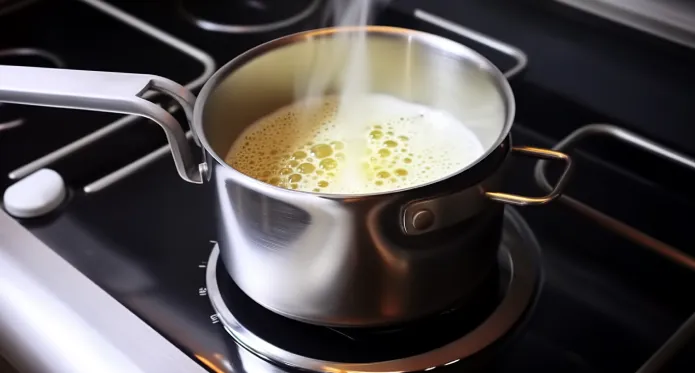
If using thick coconut cream, add water or unsweetened almond milk gradually to reach your desired consistency. Avoid overheating, which can separate fats.
After blending, taste and adjust sweetness or flavor as needed. Store the creamer in a glass jar, refrigerate, and shake before each use to re-emulsify any separation.
This method guarantees a creamy, stable keto creamer with consistent flavor and texture. Using high-fat bases similar to how whole milk provides creaminess in cheesemaking can improve mouthfeel and richness, especially when aiming for creamy texture.
Choosing the Best Sweeteners for Your Keto Coconut Creamer
When you’re picking sweeteners for your keto coconut creamer, it’s all about finding the right options that fit the keto lifestyle. Think along the lines of erythritol, monk fruit, stevia, or allulose—these are great choices that help keep those carbs in check.
Now, here’s a little tip: the type of sweetener you go for can really change the texture of your creamer. If you use powdered sweeteners, they usually blend in smoothly, while granular ones might leave a bit of grit. So, keep that in mind!
And don’t forget, you can always adjust the sweetness after blending. That way, you can find that perfect balance that suits your taste and gives you the consistency you’re after. Enjoy your creamer-making adventure!
Light roast decaf coffees often retain bright, delicate flavors like citrus and berry, so if you plan to pair your creamer with coffee, choose beans that preserve floral and citrus notes to complement the creamer.
Keto Sweetener Options
Picking the right sweetener can make or break your keto coconut creamer by balancing flavor without adding unwanted carbs.
You want to choose keto-friendly options like erythritol, monk fruit, stevia, or allulose, which have minimal impact on blood sugar and maintain sweetness.
Powdered forms often dissolve better in blended creamers, preventing graininess. Some recipes use sugar-free maple-flavored syrup or brown sugar substitutes to mimic traditional creamer profiles while keeping carbs low.
Since sweetness perception varies, it’s best to add sweetener gradually and adjust to taste after blending.
Avoid sweeteners that raise blood glucose or interfere with ketosis.
Consider pairing your sweetener with a high-fat creamer to improve texture and support ketogenic goals.
Sweetener Texture Impact
Choosing the right sweetener for your keto coconut creamer goes beyond sweetness levels. It also affects the texture and mouthfeel of your final product.
Powdered sweeteners like erythritol or monk fruit blends dissolve more smoothly, preventing graininess and ensuring a silky creamer. Granular forms, especially pure erythritol crystals, can leave a gritty texture if not fully dissolved during blending or gentle heating.
Allulose stands out for its ability to create a creamy, syrupy mouthfeel without crystallizing, enhancing richness. Stevia’s intense sweetness requires minimal quantity, so it has little impact on texture but may add slight bitterness if overused.
To achieve the best consistency, blend thoroughly and consider sweetener form and solubility. These factors directly influence your creamer’s smoothness and overall sensory appeal. Regular maintenance of tools and equipment, such as keeping blades and utensils clean and sharp, helps ensure consistent texture and performance when preparing your creamer and complements proper ingredient choices for optimal results. blade maintenance
Flavor Ideas to Customize Your Keto Coconut Creamer
To jazz up your keto coconut creamer, start by experimenting with a few key flavorings that enhance its natural richness without adding carbs.
Vanilla extract is the most popular choice, providing a smooth, sweet aroma that complements coconut’s creaminess. Adding a pinch of cinnamon introduces warmth and subtle spice, proven to pair well with the fat content in coconut milk.
For chocolate lovers, unsweetened cocoa powder offers a low-carb way to create a mocha-style creamer. You can also try nut-based extracts like hazelnut to add complexity without carbs.
To intensify coconut flavor, a few drops of coconut extract work effectively. Remember to adjust flavor amounts gradually and blend thoroughly to guarantee even distribution and peak taste balance.
Cold-pressed oils retain nutrients and can add richness and mouthfeel when used sparingly in creamers, especially cold-pressed sesame oil as a flavorful, nutrient-dense option.
Dairy-Free and Low-Carb Variations of Keto Coconut Creamer
When crafting a keto coconut creamer that fits dairy-free and low-carb diets, focus on ingredient choices that maintain creaminess without adding sugars or dairy proteins.
Full-fat canned coconut milk or coconut cream serve as excellent bases, providing richness with minimal carbs.
To lighten texture while keeping it dairy-free, unsweetened almond milk works well. Avoid heavy cream if strictly dairy-free.
For sweetness, use keto-friendly sweeteners like erythritol, monk fruit, or stevia to prevent carb spikes.
Incorporate flavorings such as vanilla extract or cinnamon to enhance taste without carbs.
Blending these ingredients guarantees a smooth emulsion. Adding emulsifiers like lecithin can improve stability.
Adjust sweetness to taste, as coconut milk brands vary in flavor intensity.
This approach guarantees a creamy, low-carb, dairy-free creamer ideal for keto lifestyles.
Freeze-dried ingredients can preserve flavor and texture well, so consider using freeze-dried powder forms if you want shelf-stable options with authentic taste.
How to Store and Use Keto Coconut Creamer for Best Results?
Although keto coconut creamer is rich and creamy, it tends to separate during storage.
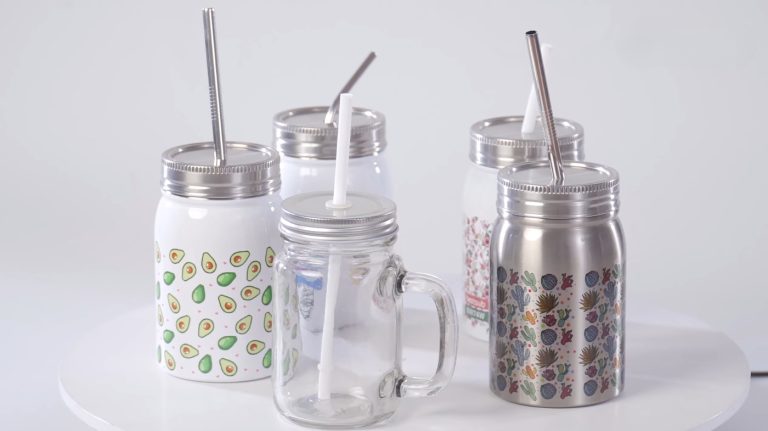
Refrigerate it in a glass jar or bottle to maintain freshness and texture.
Keep it chilled for up to two weeks, shaking or stirring before each use to recombine the fats and liquids.
Using a glass container allows you to watch the consistency and prevents unwanted flavors.
| Storage Tip | Benefit |
|---|---|
| Refrigerate promptly | Preserves freshness |
| Use glass containers | Avoids odors, stains |
| Shake before use | Restores creamy texture |
| Consume within 14 days | Guarantees best flavor |
Following these steps helps you enjoy your keto coconut creamer with peak taste and texture every time.
Troubleshooting Common Keto Coconut Creamer Issues
Keeping your keto coconut creamer fresh and well-mixed can sometimes be a challenge, even with proper storage. Separation is normal due to the natural coconut fat content, so always shake or re-blend the creamer before use.
If your creamer tastes bland, adjust the sweetener or vanilla extract gradually, as variations in coconut brands affect flavor intensity. For grainy textures, use powdered sweeteners or gently heat the mixture to help dissolve them fully.
If the creamer thickens too much in the fridge, thin it with a splash of water or unsweetened almond milk. To extend freshness, store in a glass jar with a tight lid and consume within 10–14 days.
Using room-temperature ingredients before blending also improves emulsion and reduces separation.
Frequently Asked Questions
Can I Use Canned Coconut Milk With Additives for Keto Creamer?
You can use canned coconut milk with additives for keto creamer, but check the label carefully.
Some additives, like sugars or starches, can increase carbs, which isn’t keto-friendly.
Look for full-fat canned coconut milk with minimal or no added sugars and thickeners.
Additives like guar gum or xanthan gum are usually fine and can improve texture.
Always adjust sweetness and flavor to maintain keto compliance and desired consistency.
How Does Altitude Affect the Blending of Keto Coconut Creamer?
Altitude acts like a thin veil on your blending process, affecting how ingredients combine.
At higher elevations, lower air pressure can cause liquids to evaporate faster and emulsions to separate more easily.
You’ll need to blend longer or add an emulsifier to maintain creaminess.
Also, cooler temperatures can thicken your creamer, so warming ingredients slightly before blending helps achieve a smooth texture despite altitude’s impact.
Is It Safe to Freeze Homemade Keto Coconut Creamer?
Yes, you can freeze homemade keto coconut creamer safely, but expect texture changes. Freezing often causes fat separation and graininess as coconut fats solidify.
To minimize this, freeze in airtight containers and thaw slowly in the refrigerator. Before use, shake or blend well to re-emulsify the mixture.
While freezing extends shelf life beyond refrigeration’s 10–14 days, it may slightly affect creaminess and smoothness upon thawing.
Can Keto Coconut Creamer Be Used in Baking Recipes?
You might think keto coconut creamer is just for coffee, but you can definitely use it in baking recipes.
Its rich fat content adds moisture and tenderness, similar to heavy cream, but with fewer carbs.
Just keep in mind that its coconut flavor may subtly influence your baked goods.
Since it’s dairy-free and low-carb, it’s an excellent substitute in keto-friendly cakes, muffins, or pancakes without compromising texture or taste.
What Are the Best Brands of Coconut Milk for Keto Creamer?
You’ll want brands like Native Forest, Aroy-D, and Chaokoh for keto creamer because they offer full-fat canned coconut milk with no added sugars or preservatives.
These provide a rich, creamy texture essential for keto. Look for products labeled “full-fat” or “pure” coconut milk, and check nutrition labels to guarantee low carbs.
Organic options like Native Forest also maintain quality and consistency, making them popular choices for keto-friendly creamers.
Create a Creamy, Dairy-Free Keto Coffee Creamer
Now that you’ve mastered making keto coconut creamer, you’re holding a golden ticket to creamy, low-carb coffee bliss.
With the right ingredients and tweaks, you can tailor it perfectly to your taste and dietary needs.
Keep experimenting with sweeteners and flavors to keep your mornings exciting.
Store it properly to maintain freshness, and don’t hesitate to troubleshoot common issues.
This simple creamer is your key to rich, dairy-free indulgence without breaking keto.